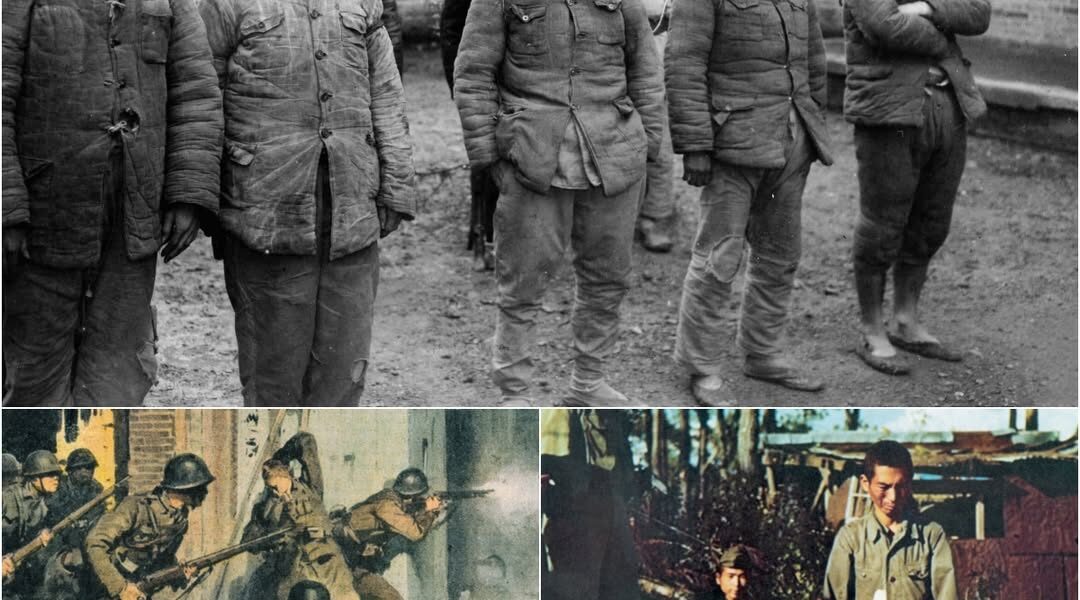
THE AKIKAZE MASSACRE: Japanese Military Executed German Civilians in World War II – A War Crime Exposed

EXTREMELY SENSITIVE CONTENT – 18+ ONLY
This post describes the massacre of German civilians by the Imperial Japanese Navy in 1943 and subsequent efforts to prevent such atrocities. Shared solely for historical education and remembrance of the victims.
The Akikaze Massacre – When Japan Executed Its Own German Allies (March 1943)
Historical Background
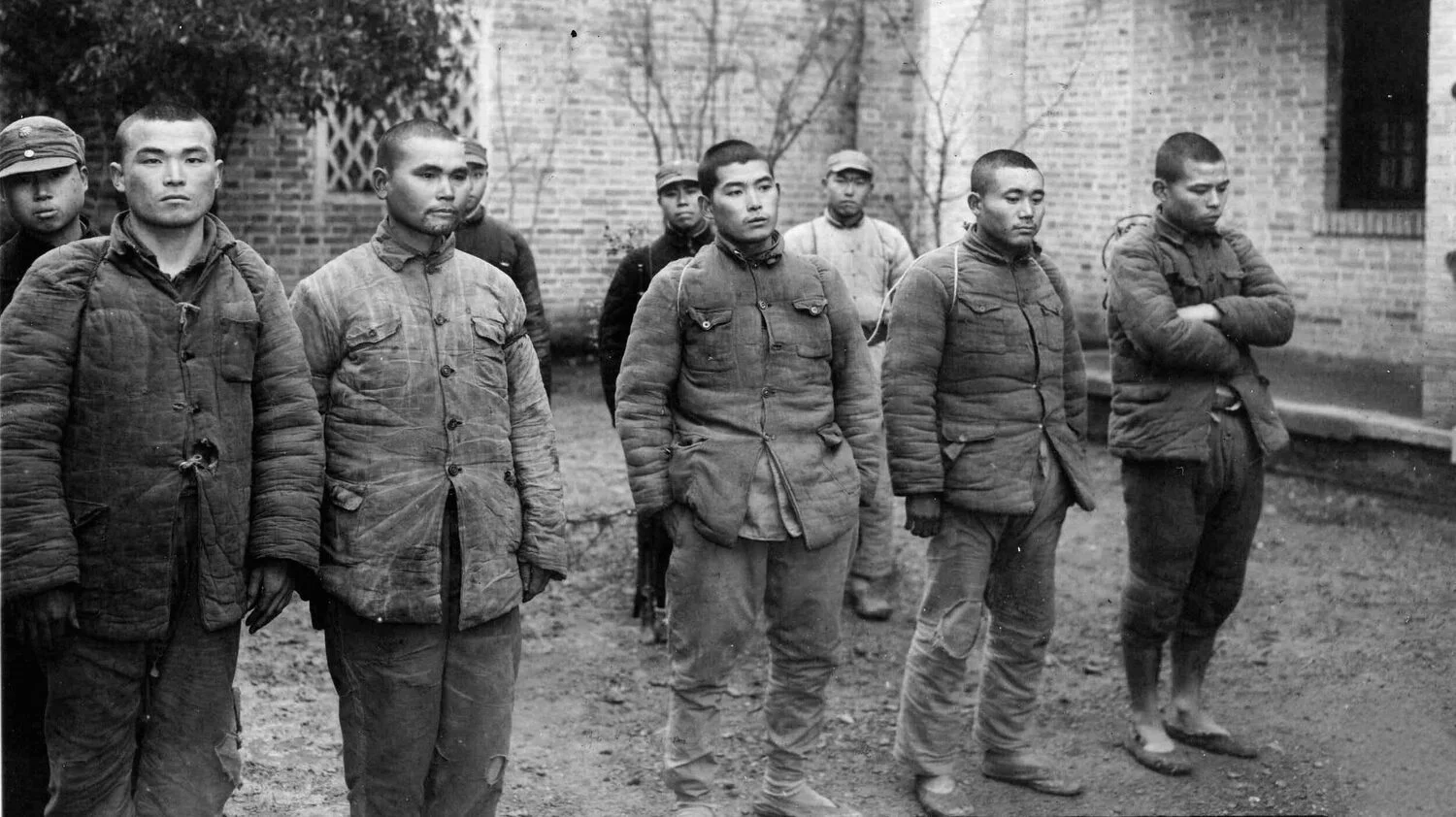
After Germany’s defeat at Stalingrad (February 1943), Japanese military authorities in the South Pacific began to view even Axis nationals with suspicion. In the Bismarck Archipelago, approximately 60 German civilians – almost all Catholic missionaries and plantation workers under the diocese of Rabaul – were detained in early 1943 as a “precautionary measure”. Despite the Tripartite Pact, 8th Fleet headquarters in Rabaul ordered their elimination.
The Event
Between 16–18 March 1943, the destroyer Akikaze transported the group from Kavieng toward Hollandia. Midway across the Bismarck Sea, secret orders were received to execute all passengers. Under Lieutenant Commander Tsutomu Sabe, the victims were killed one by one and their bodies discarded at sea.
The Victims
Bishop Joseph Lörks and members of the Missionaries of the Sacred Heart (MSC)Priests, nuns, and lay missionariesCivilian employees of long-standing German missions in the region None had any military or intelligence involvement.
Justice
The crime remained hidden until Japan’s surrender. In 1947, an Australian war crimes tribunal in Rabaul (Case R57) convicted Sabe and two officers; all three were executed by hanging.
Efforts to Prevent Similar Atrocities in the Future
1945–1949 Tokyo and regional war crimes trials The Akikaze case became part of the broader effort by Allied tribunals to establish that the deliberate killing of civilians – even those of an allied nation – constituted a war crime, regardless of military justification.
Geneva Conventions of 1949 The shocking nature of incidents like Akikaze directly influenced the strengthening of Article 4 and Common Article 3, explicitly protecting civilians and persons hors de combat in both international and non-international conflicts, and prohibiting the passing of sentences without proper judicial guarantees.
Establishment of “protected persons” status The Fourth Geneva Convention (1949) created clear legal safeguards for civilians under occupation, including nationals of co-belligerent or neutral states – a direct response to cases where even allied civilians were massacred.
Post-war German-Japanese reconciliation From the 1950s onward, both nations jointly commemorated the victims through memorials in Papua New Guinea and joint Catholic remembrance services, emphasising that shared humanity must transcend wartime alliances.
We recall the Akikaze massacre today not to reopen old wounds, but to honour the German civilians who perished at the hands of their own ally; to recognise that the lessons drawn from this tragedy helped shape the modern laws of war; and to reaffirm that the strongest guarantee against such acts is the universal commitment – written into international law after 1949 – that no civilian life may ever again be taken simply because of nationality or suspicion.
Official & reputable sources
Australian War Crimes Tribunal – Rabaul R57 (Akikaze), 1946–1947
United Nations War Crimes Commission – Law Reports of Trials of War Criminals, Vol. V
International Committee of the Red Cross – Commentary on the Fourth Geneva Convention (1958)
Tanaka, Yuki – Hidden Horrors (1996)
German Federal Archives & MSC Mission archives