
There are stories that disturb a community for days, months, even years — stories that people whisper about because saying them out loud feels wrong, too heavy, too close to the nightmare no parent wants to imagine.
But then there are stories like this one — stories that silence an entire state, stories that make even strangers pause mid-sentence, stories that force society to confront the quiet cracks in the systems meant to protect children.
It begins simply.
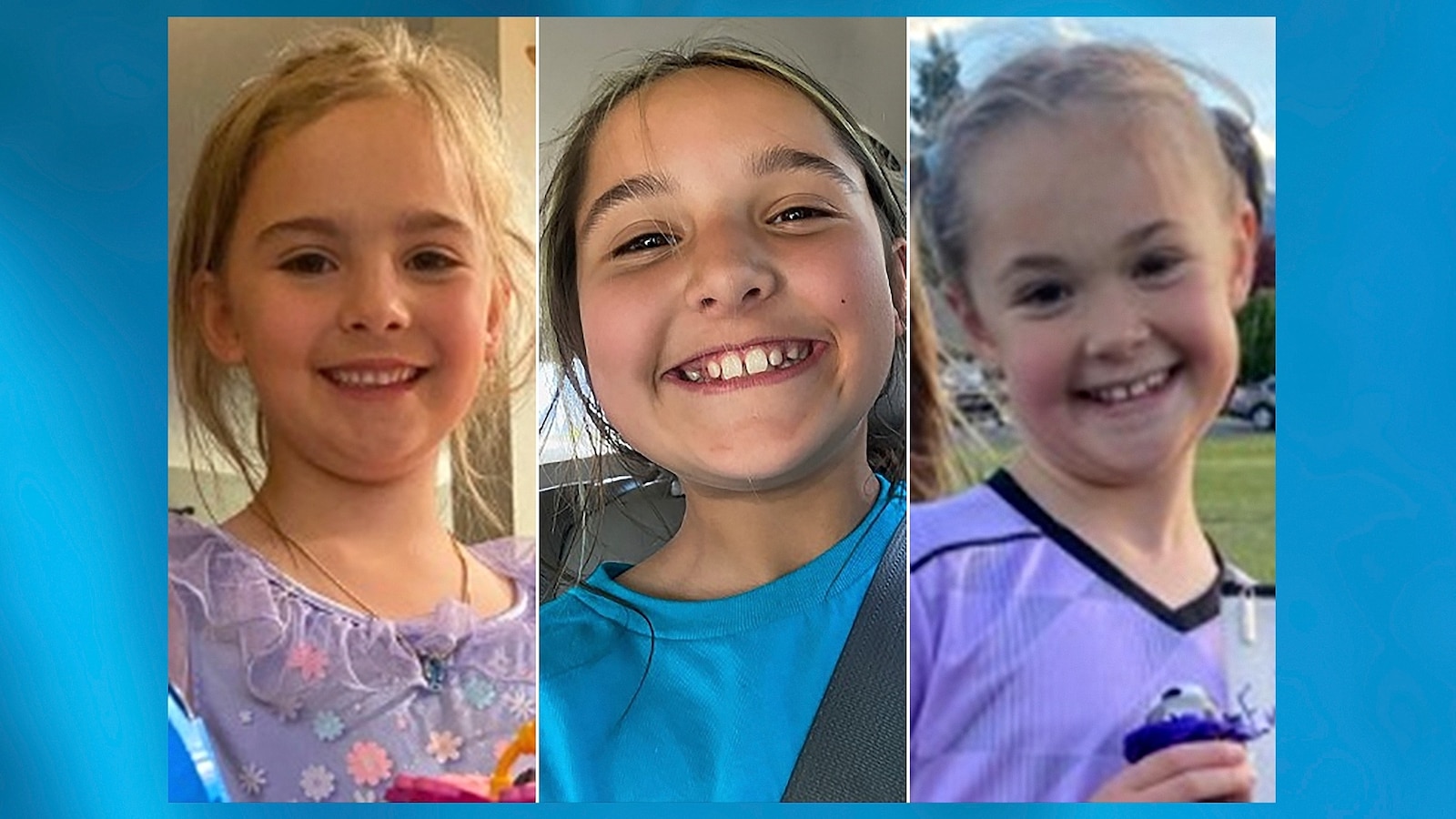
Three young sisters — Paityn (9), Evelyn (8), and Olivia (5) Decker — laughing, grabbing their shoes, hugging their mother, and heading out the door for a
three-hour scheduled visitation with their father.
A normal Friday, May 30th, 2025.
A visit approved by the court.
A visit everyone assumed would end with their mother welcoming them back home just before sunset.
It should have been routine.
It wasn’t.
And nothing that happened over the next seventy-two hours can be explained without acknowledging the failure, confusion, and heartbreak that followed.

A Mother’s Uneasy Goodbye
Whitney Decker knew the routine well. Custody arrangements, tense exchanges, court-supervised rules — all of it had become part of her life. She watched as her daughters climbed into their father’s vehicle, a white 2017 GMC Sierra, for what was supposed to be a brief visit.
The agreement:
Three hours. Return by 8 p.m. sharp.
It was court-approved.
It was monitored.
It was supposed to be safe.
But as the truck drove away from her Wenatchee home, a cold, inexplicable unease settled in Whitney’s stomach — the kind that mothers feel long before the world gives them a reason.
By 8 p.m., the uneasy feeling turned into dread.
By 8:15, dread became panic.
By 8:30, she was calling anyone who would listen.
Travis Decker did not bring the girls back.
He did not call.
He did not answer his phone.
He simply vanished — with all three of their daughters.

The Alert That Wasn’t Sent
Within hours, Whitney contacted authorities. She explained everything — her ex-husband’s
mental health struggles, his instability, his recent homelessness, and the fact that he had never failed to return the girls on time before.
To Whitney, this wasn’t a misunderstanding.
It wasn’t miscommunication.
It wasn’t a custody dispute gone messy.
It was danger.
Immediate, life-threatening danger.
Authorities issued an Endangered Missing Person Alert.
But not an AMBER Alert.
The explanation was chilling in its simplicity:
It was considered a custody issue. Not an abduction.
Despite three young children missing.
Despite a father with documented mental health challenges.
Despite the escalating red flags.
Whitney begged them to escalate the search.
She begged them to reconsider.
But protocols, policies, and definitions stood in the way.
The Father the System Overlooked
To understand the full weight of what happened next, one must understand who
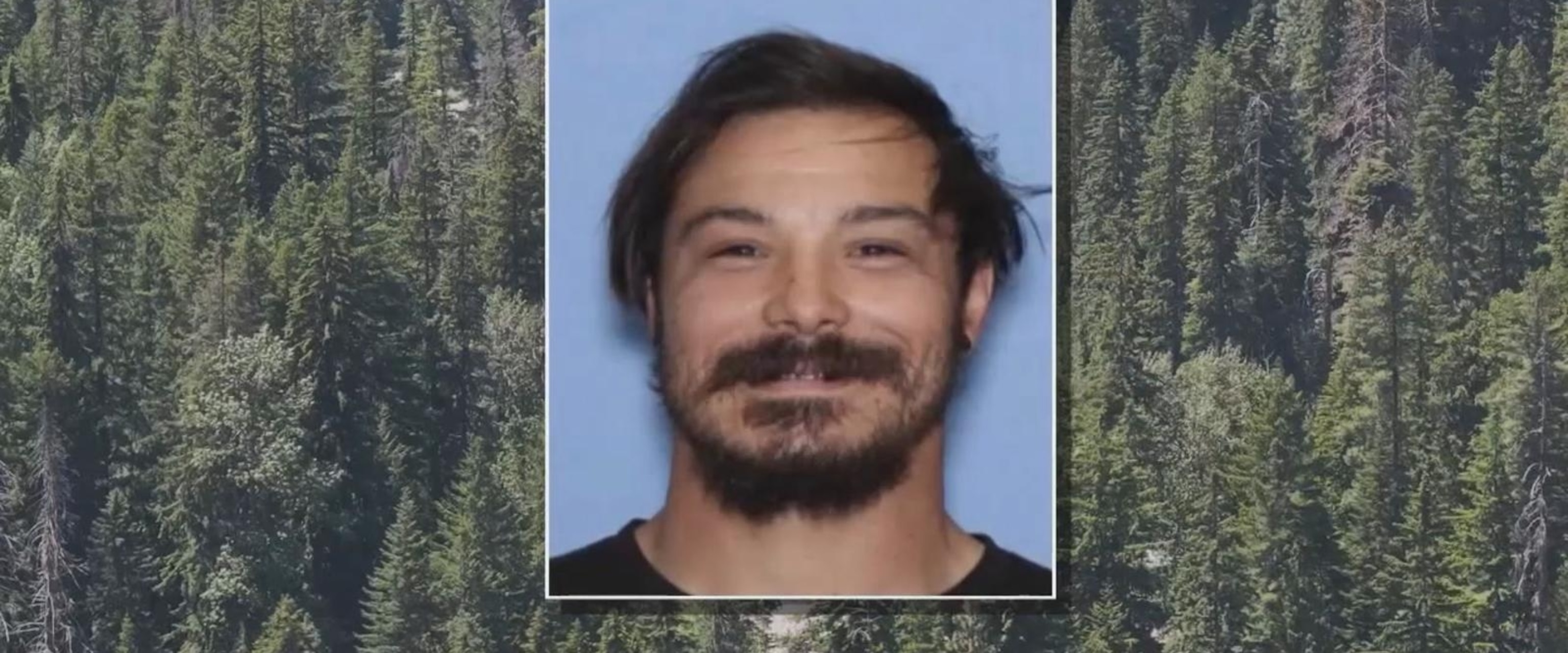
Travis Decker was — not just a name on a warrant, not just a father in a custody dispute, but a man whose life had been unraveling long before May 30th.
Travis was a military veteran, a man once defined by discipline and duty. But like many who leave the structured world of service, he carried invisible wounds. Over time, those wounds deepened into something darker.
Friends described him as “lost.”
Family described him as “unstable.”
Witnesses described him as “not well.”
He was experiencing homelessness, bouncing between temporary shelters and the unpredictable quiet of the Washington wilderness.
The system knew this.
The courts knew this.
The visitation center knew this.
Yet he was still allowed unsupervised access to three little girls who trusted him, who believed he was capable of love, who believed he would keep them safe.
They believed.
The system believed.
Only Whitney did not.
And she would be right.
June 2nd — The Discovery That Ended All Hope
For three days, the search continued.
Roads were checked.
Trails were scanned.
Tips came in — each one ending in frustration.
People prayed.
Communities posted their photos everywhere.
Whitney waited, slept barely at all, and begged police for updates.
Then came June 2nd, 2025.
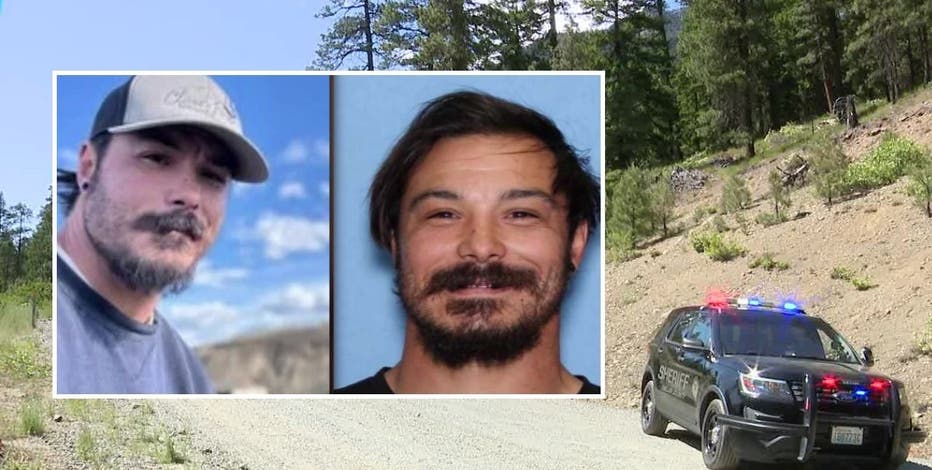
Searchers found a white 2017 GMC Sierra near Rock Island Campground in Chelan County, abandoned in a quiet, wooded area — the kind of place where families go to fish, hike, and roast marshmallows.
Only this time, there were no families.
Only officers.
Only silence.
And only the truth waiting just a few feet away.

The bodies of Paityn, Evelyn, and Olivia were discovered nearby.
Three sisters.
Three bright, innocent little girls.
Gone in a moment of violence that defies comprehension.
Authorities did not immediately release the details of how they died.
They didn’t need to.
Their father was no longer missing in a legal sense.
He was a fugitive, now wanted on:
• Three counts of first-degree murder
• One count of kidnapping
The girls were gone.
Travis had vanished.
And Whitney’s life shattered.
A Community in Shock
Wenatchee is not the kind of town that forgets its children.
People knew the Decker girls.
They had seen them in grocery stores, in schoolyards, at church functions, at dance recitals, at birthday parties.
They knew Paityn as the responsible one.
The big sister who fixed ponytails and tied shoes.
They knew Evelyn as the dreamer.
The one who painted stars and believed every stray animal could be rescued.
They knew Olivia as the tiny spark.
The one who ran everywhere instead of walking, who giggled loudly, who loved pink more than anything else.
The loss was not a single tragedy — it was three.
Three candles.
Three futures.
Three small voices forever silenced.
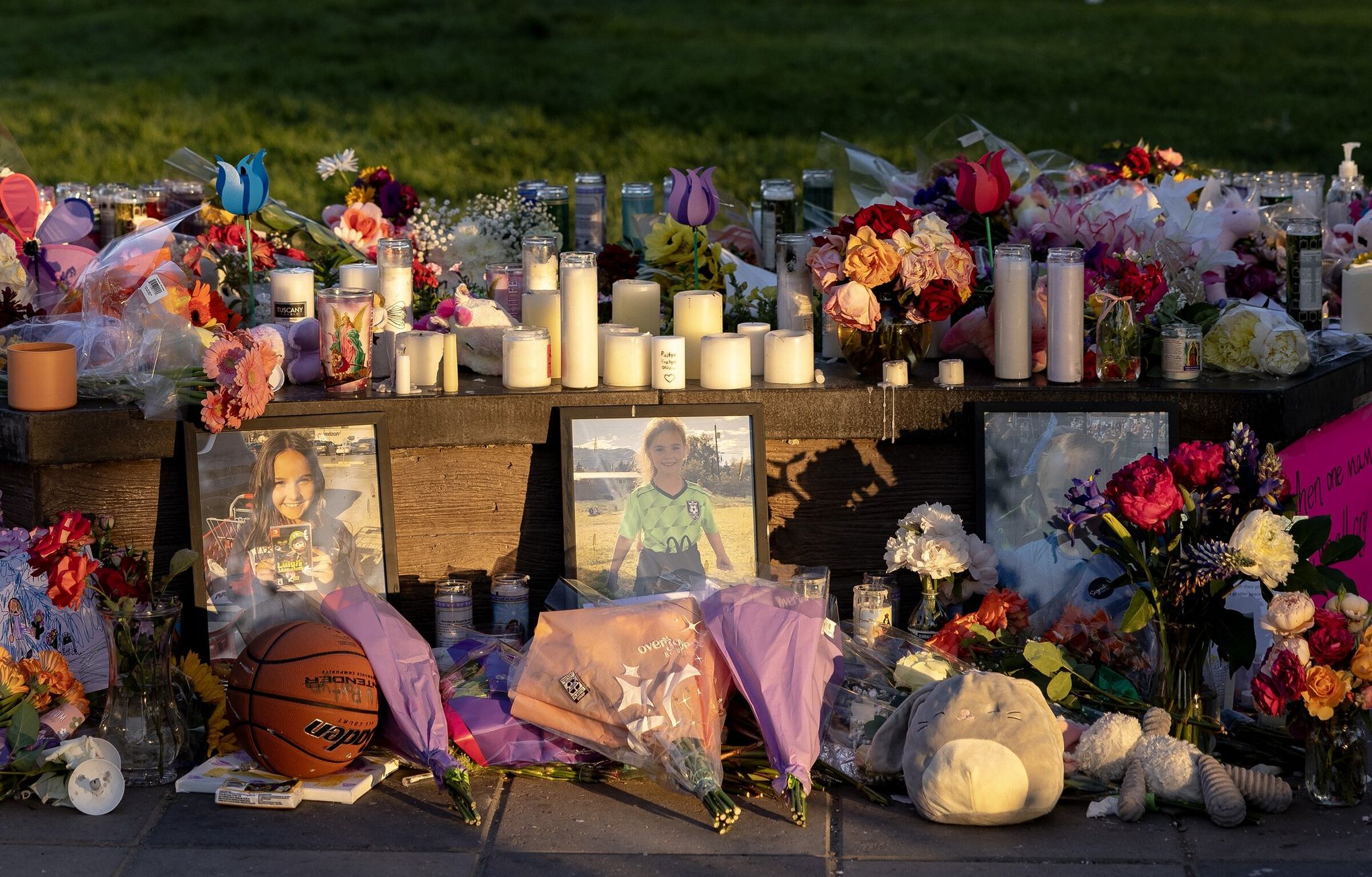
Vigils began almost immediately.
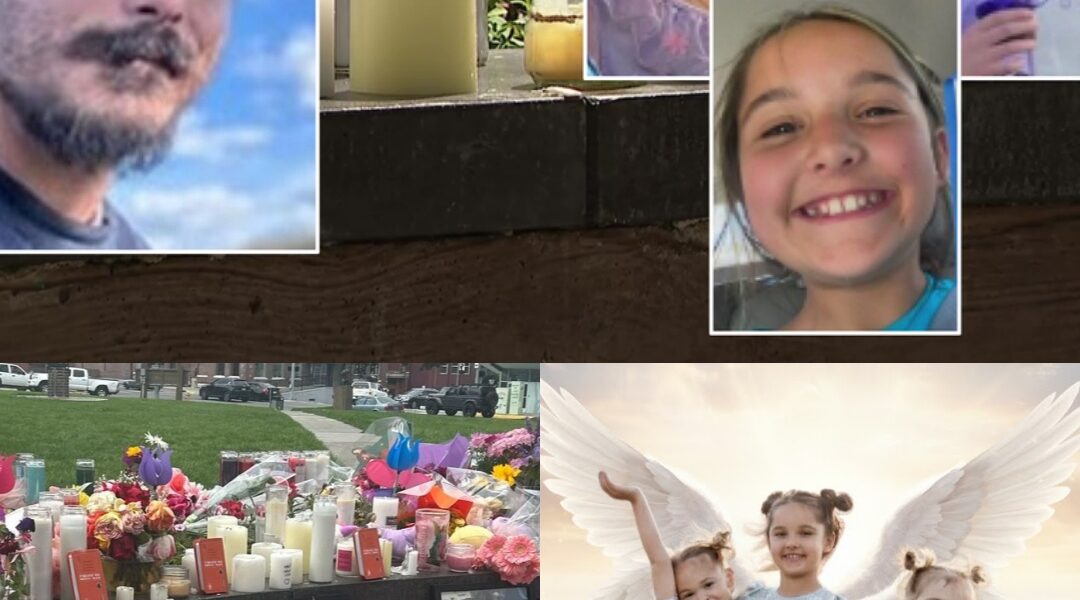
Flowers and stuffed animals piled beneath photos of smiling faces.
People wept openly, because there was no other way to respond to such cruelty.

Questions That Demand Answers
How did this happen?
How did a three-hour visit turn into irreversible devastation?
People began to ask the questions authorities could not immediately answer:
Why wasn’t an AMBER Alert issued?
Why wasn’t supervision required?
What risk assessments were made?
Was the state aware of Travis’s instability?
Were warning signs ignored?
And above all —
Could these three little girls have been saved?
Across Washington, debates erupted over custody laws, mental health support for veterans, and the limitations of the alert systems used during parental disappearances.
Everyone had an opinion.
No one had an answer that brought comfort.
The Manhunt Continues
As of now, Travis Decker remains at large.
Authorities warn the public:
Do not approach him.
He is considered potentially dangerous.
Search teams continue to track leads.
Alerts have spread across multiple states.
The nation is watching — because a man capable of murdering his own daughters is capable of anything.
There is fear.
There is anger.
But above all, there is determination to bring him into custody.

A Mother Left With Memories and Silence
While the world searches for Travis, while investigators process evidence, while news anchors discuss timelines and legal definitions, one person lives inside a grief that cannot be measured.
Whitney.
A mother who trusted the system.
A mother who fought for her children’s safety.
A mother who will never again braid their hair, read them a bedtime story, or hear them argue over whose turn it is to pick a movie.
Her home is quiet now.
Their beds are empty.
Their toys untouched.
Three toothbrushes still line the bathroom sink because she cannot bring herself to move them.
She keeps replaying the moment they walked out the door:
“Just three hours,” she told herself.
“They’ll be home soon.”
They never came home.
And she will never forgive herself for allowing a system she thought she could trust to make that decision.

The Visitation That Changed Everything
When people look back on this tragedy, it will not be remembered as a simple custody issue.
It will not be remembered as a misunderstanding or a legal technicality.
It will be remembered as the day three little girls were failed — not just by their father, but by every safeguard designed to protect them.
It will be remembered as the moment a three-hour visit became a permanent nightmare.
It will be remembered as the tragedy that demands change.
The Legacy of Paityn, Evelyn, and Olivia
Their story now stands as a plea — not just for justice, but for reform.
For stricter custody protocols.
For better mental health support for veterans.
For stronger alerts when vulnerable children go missing.
For courts to reconsider what “supervised visitation” truly means.
For communities to speak up when something feels wrong.
Paityn, Evelyn, and Olivia cannot be brought back.
But their story can save others.
Their mother believes that’s what her daughters would have wanted — not silence, not fear, but protection for the children still living through similar struggles.
Whitney now carries a mission:
Make sure no other parent buries their child because of a system that hesitated when it should have acted.

The Final Image
Imagine it for a moment:
Three sisters sitting in the back seat of their father’s truck.
Maybe singing.
Maybe arguing playfully.
Maybe holding stuffed animals.
They thought they were going on a short visit.
They trusted the person who picked them up.
They trusted the world around them.
They deserved safety.
They deserved protection.
They deserved life.
But their story ended in a quiet patch of woods near a campground, far from home, far from comfort, far from the future they should have had.
And somewhere, their father — the man responsible — is still out there.
The world waits.
Whitney grieves.
And three names echo through Washington like a vow:
Paityn. Evelyn. Olivia.
Their story is not over until justice is served.
Saying Goodbye to Christina, Three Days Before Christmas.5819