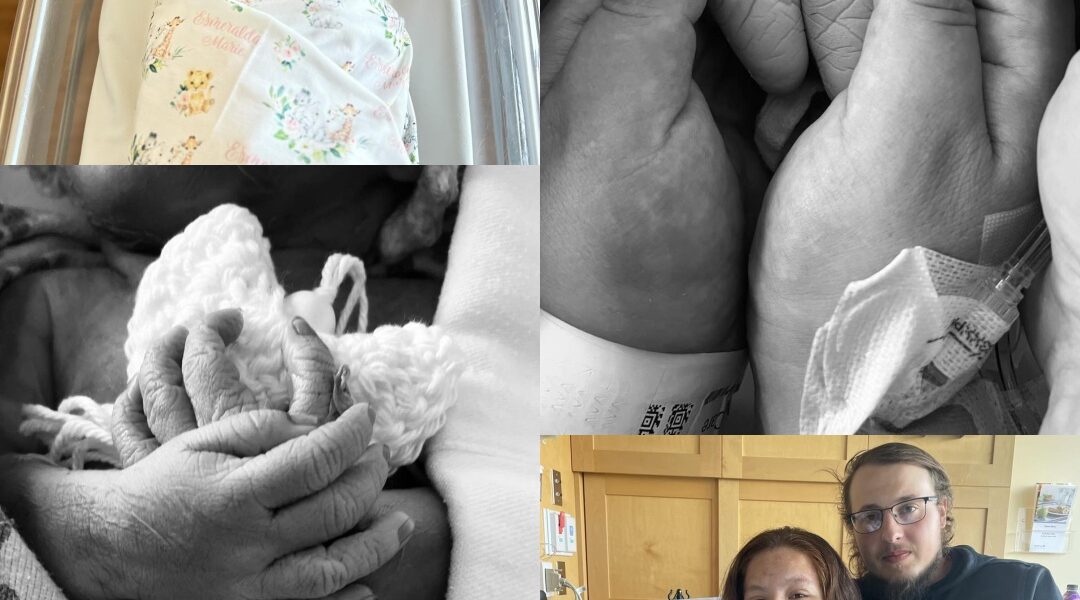

The room was quiet in the way hospitals often are just before something irreversible happens. Machines hummed softly, lights glowed steadily, and time seemed to slow as two tiny lives entered the world in Edmonton in 2019.
Thunder and Cloud were born alive.
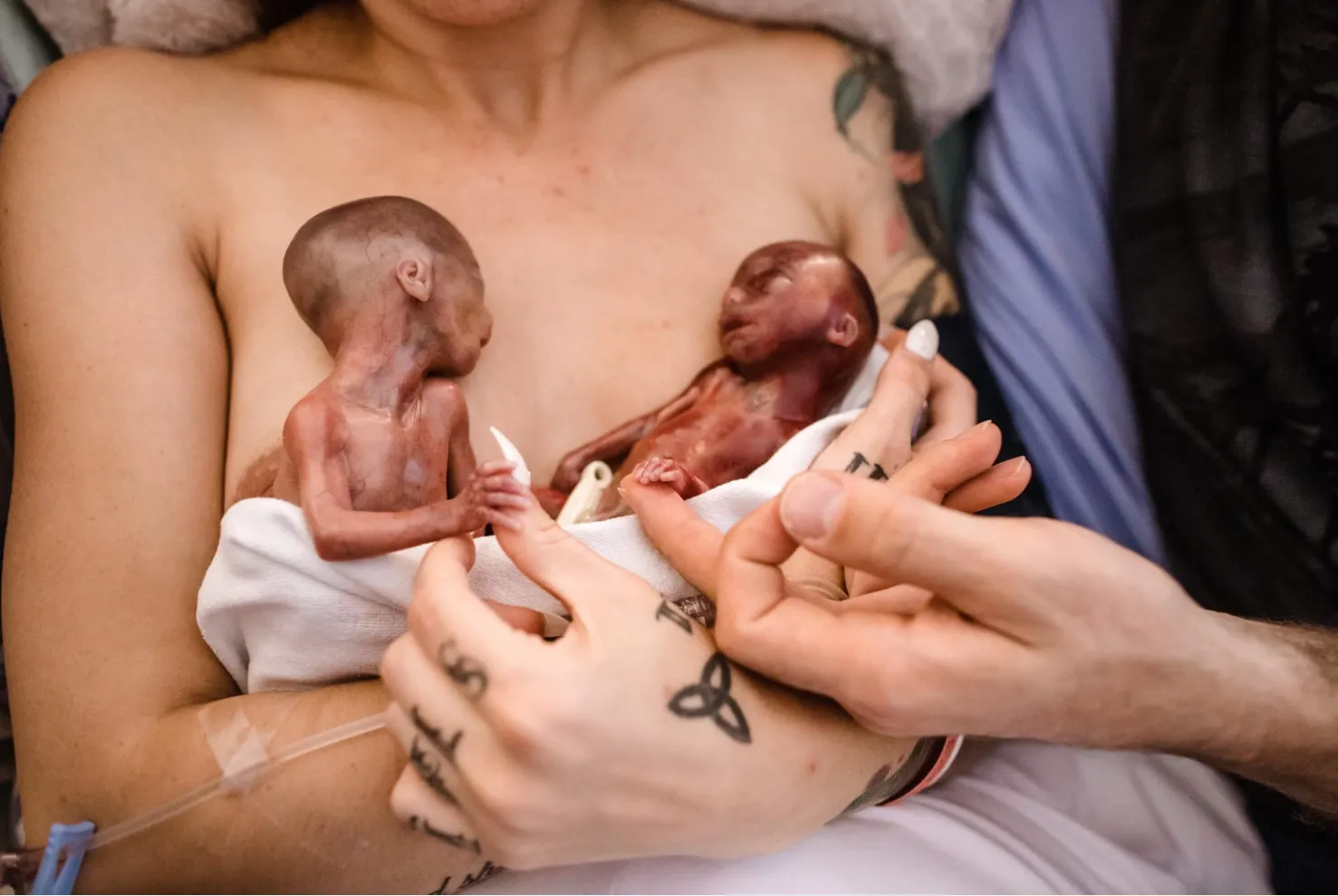
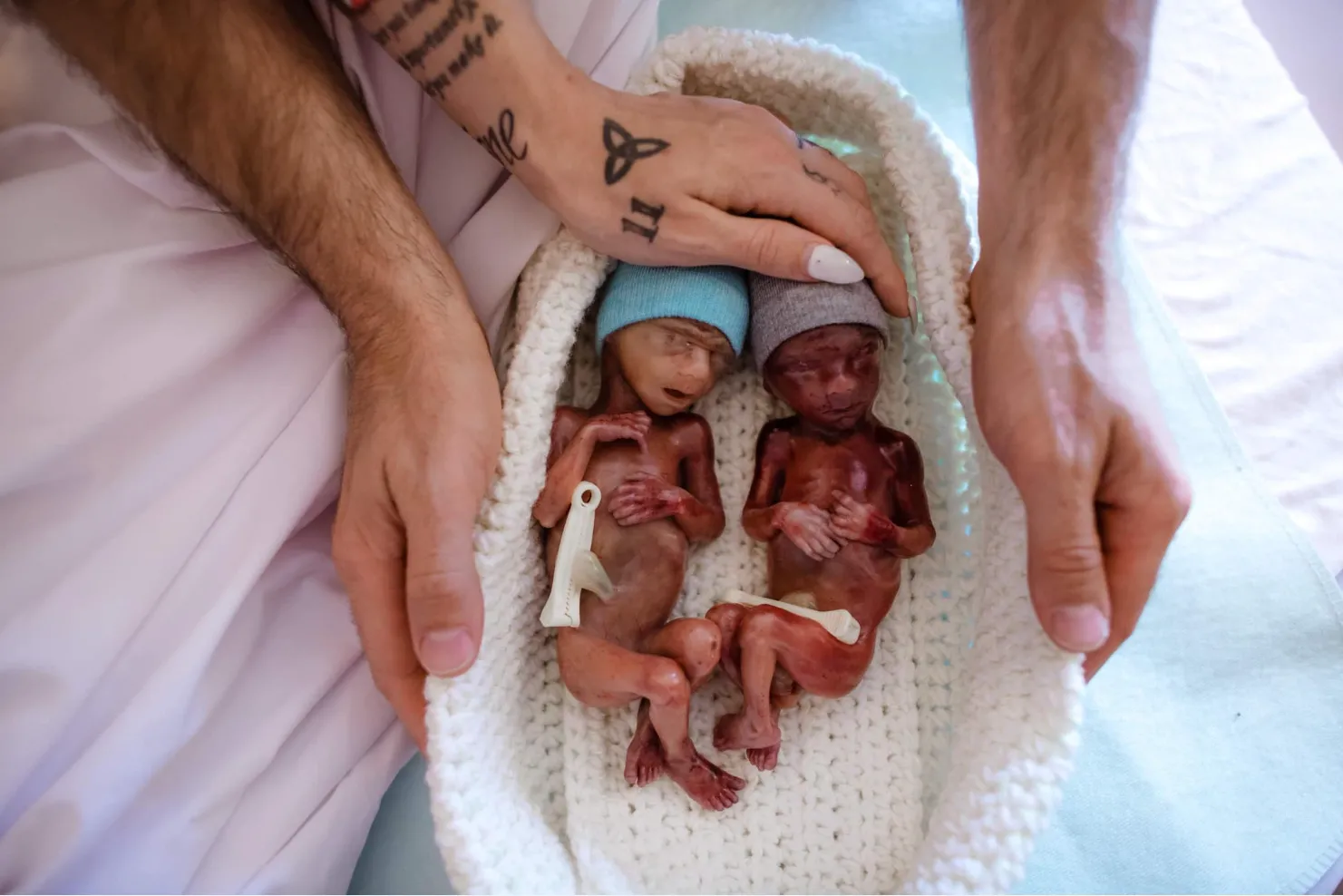
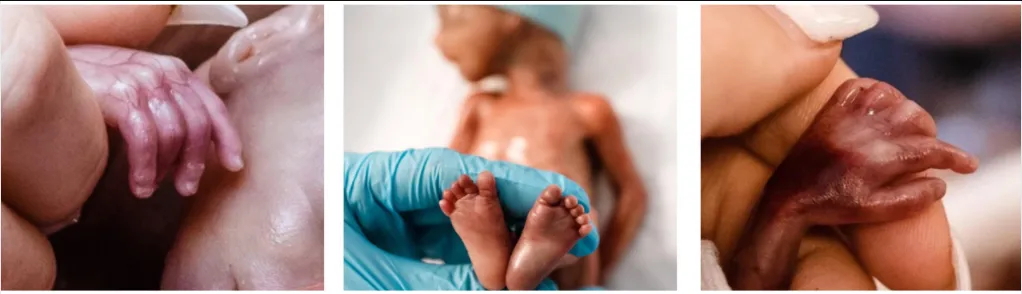
They were young, impossibly small, but unmistakably human. Perfectly formed fingers. Tiny toes. Moving bodies. Breathing, struggling, living.
Their parents saw everything.
Thunder weighed just 10.2 ounces and arrived at 21 weeks and 3 days. Cloud followed, slightly bigger at 12 ounces, measuring 22 weeks and 1 day—just six days shy of the gestational age that would have automatically qualified them for medical care.
Six days.
That number would quietly determine everything.
Instead of being treated as two separate babies with different measurements, the medical team classified both boys at the earlier gestational age. With that single decision, they were denied life-saving care before anyone even tried.
Their parents were told there was no chance.
Doctors said their lungs were not developed enough. They warned that attempting care would only cause pain. They implied that hoping was cruel.
Zero percent chance, they said.
The words landed with a finality that felt heavier than the room itself.
Their mother begged.
She asked the medical team to help her sons, to do something—anything. She pleaded not as an activist or a researcher, but as a mother watching her babies move in front of her eyes.
She was told no.
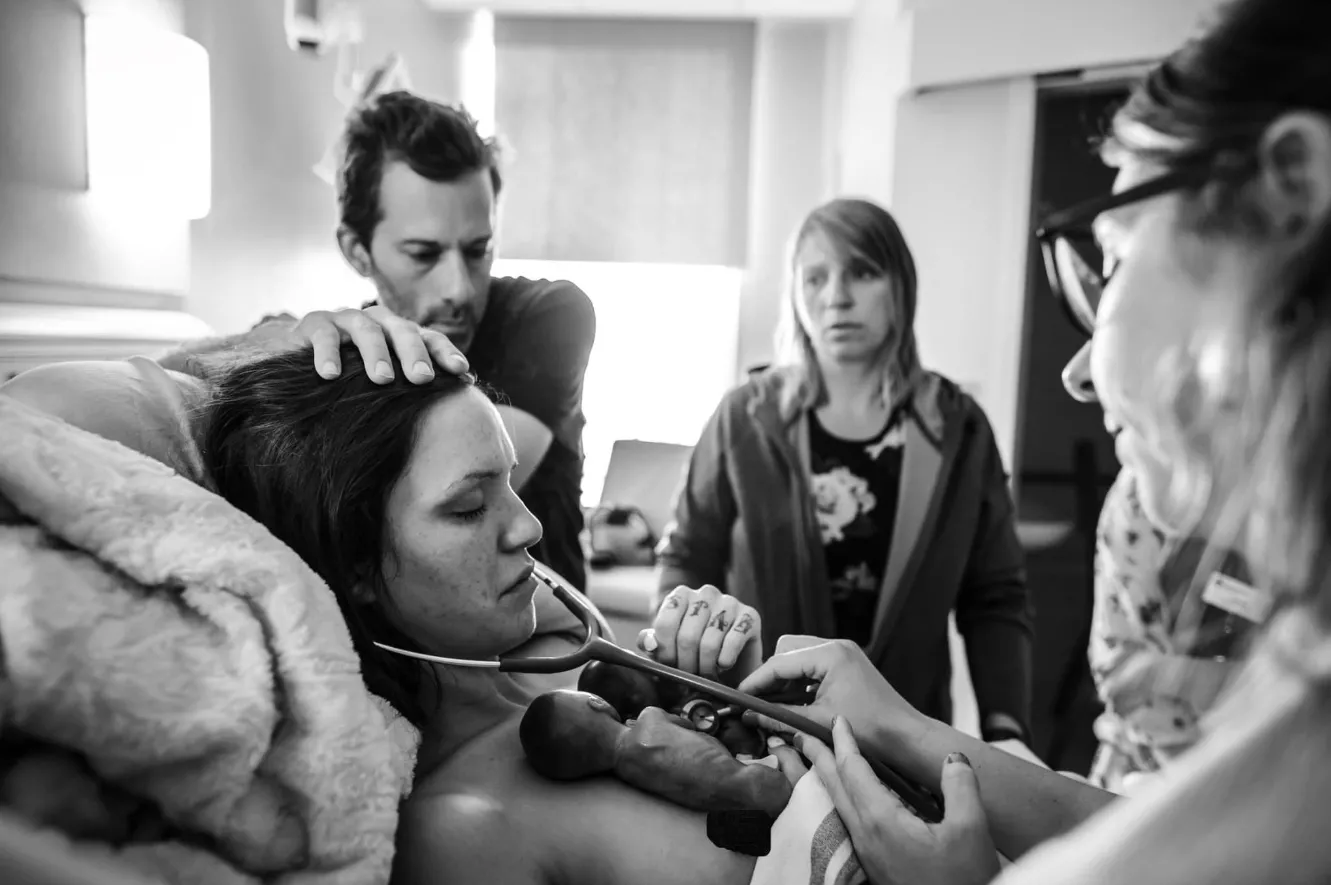
In that moment, the fight ended not because hope was gone, but because time was running out.
If no one was going to help them live, then their parents decided they would at least love them while they could.
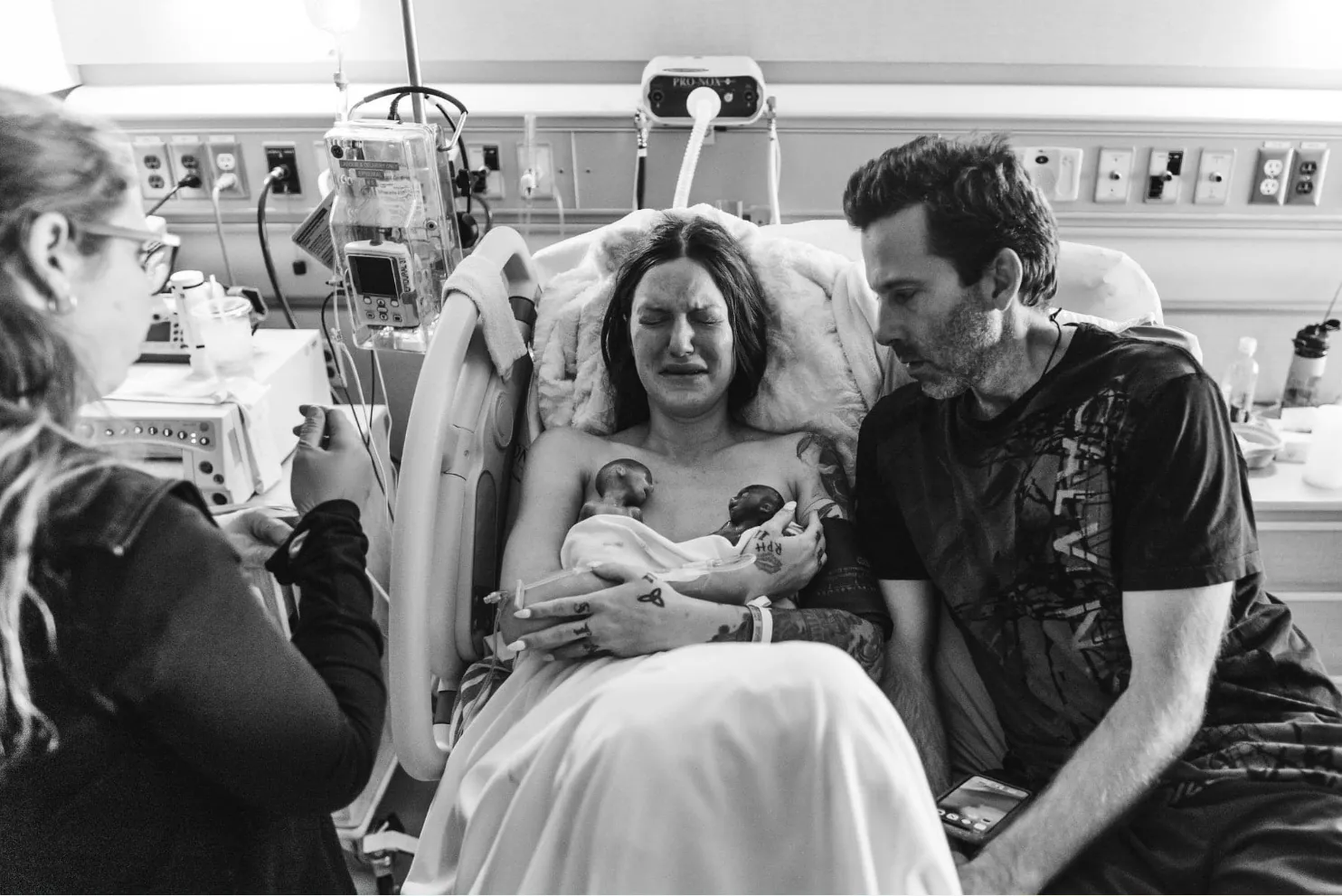
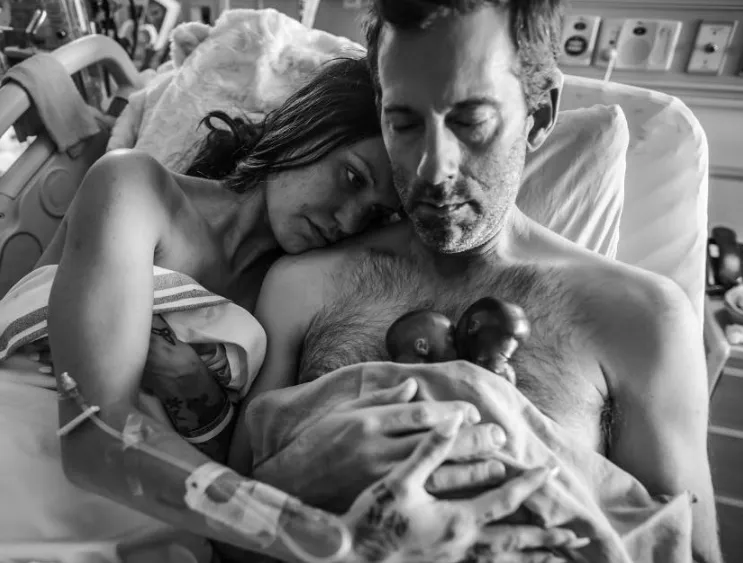
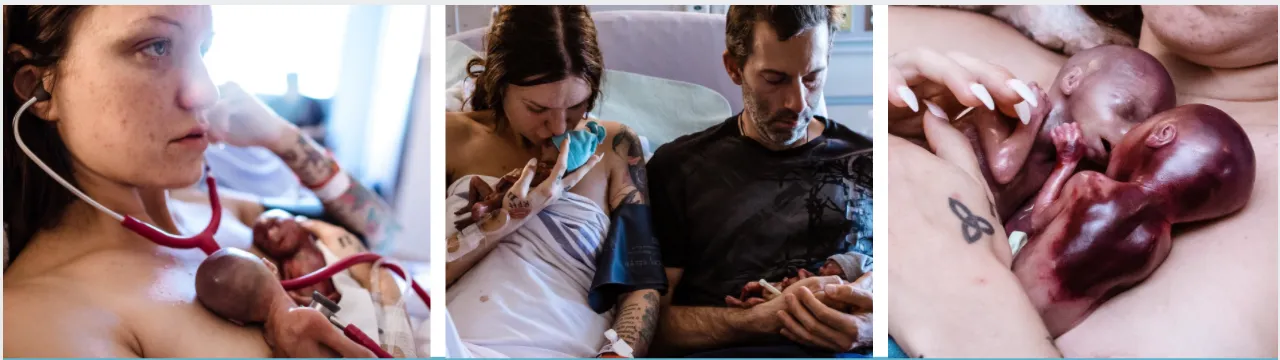
They held Thunder and Cloud against their skin. They watched their sons wave their tiny arms, squirm, and respond to touch. They memorized their faces. They whispered to them. They told them they were loved.
And they watched them struggle.
The boys tried to breathe. Their skin shifted in color as oxygen failed to reach their tiny bodies. Their movements slowed, then faltered.
Thunder lived for one hour and twenty minutes.
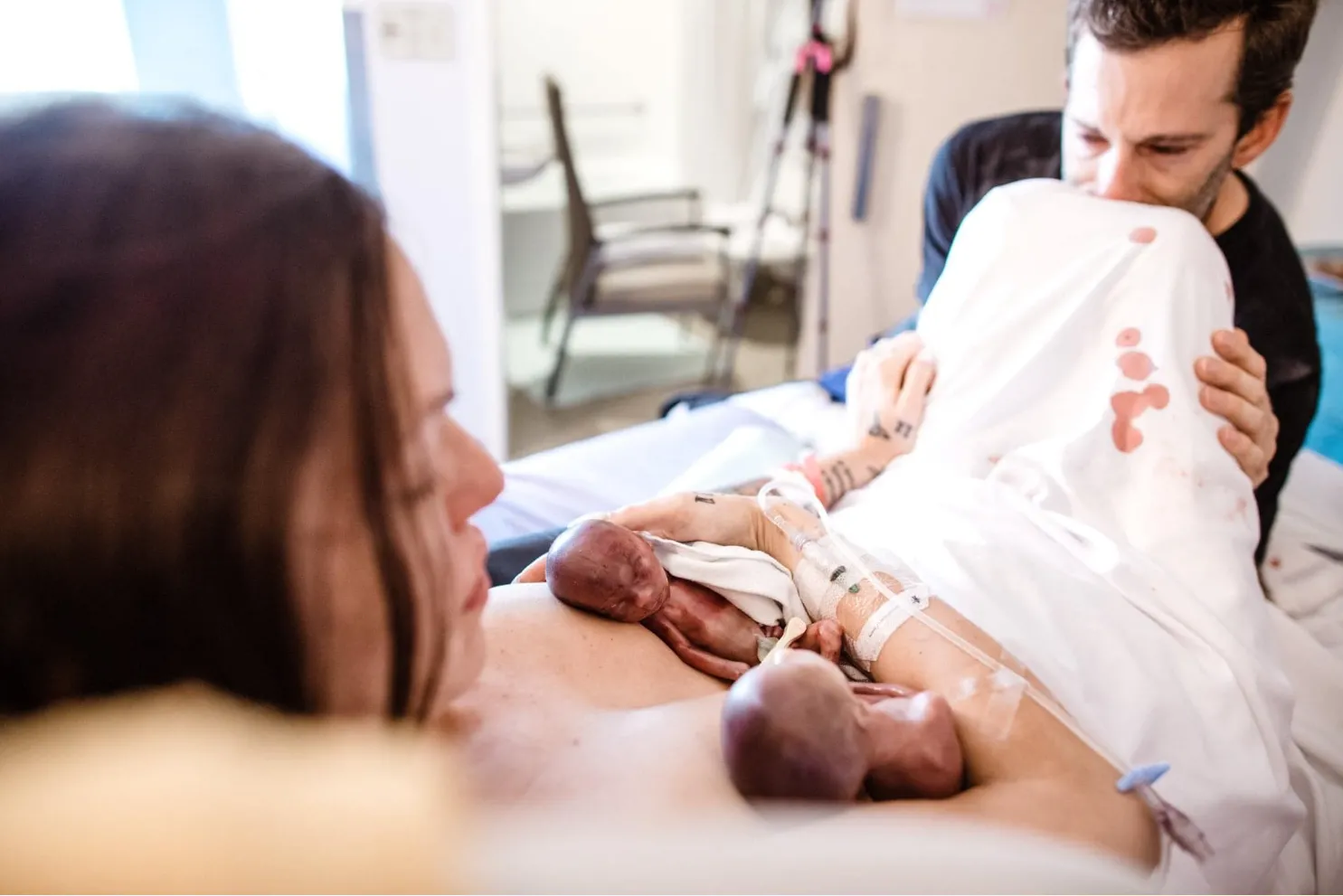
Cloud lived for one hour and thirty minutes.
Both died in their mother’s arms.
There were no alarms. No rush of doctors. No emergency interventions. Just parents holding their babies while life slipped away.
For a long time, grief was all there was.
The kind of grief that steals breath and rearranges the future. The kind that comes with silence, empty arms, and the knowledge that your children existed only briefly in the world.
But grief was not the end of the story.
Later came something worse.
Their parents began to learn what they had not known that day. They discovered that babies born at 21 and 22 weeks have survived—many of them now healthy children.
They learned about twins named Ema and Luna, born in Ontario at a similar gestational age. Those girls received medical care. They lived. At the time Thunder and Cloud died, Ema and Luna were already growing, breathing, thriving.
They learned about hospitals that had chosen a different standard of care.
At the University of Iowa’s Stead Family Children’s Hospital, doctors have reported survival rates as high as 70 percent for babies born this early when active care is provided. Not miracles. Medicine. Effort. Intention.
Suddenly, the words “zero percent chance” began to feel unbearable.
The pain shifted.
Losing their sons was devastating. But learning that their sons might have lived—if someone had tried—opened a deeper wound. One filled not only with sorrow, but with injustice.
Their parents replayed the moments again and again. The movement. The breathing. The struggle. The quiet.
They imagined what might have happened in a different hospital. With different doctors. With a different policy.
What if Thunder had been measured on his own?
What if Cloud’s gestational age had been acknowledged?
What if someone had said, “We will try”?
That question became the heaviest one of all.
Their mother describes the agony of watching her children fight for life while the system stood still. The feeling of helplessness did not end when their sons died. It followed her into every quiet moment afterward.
Because there is a unique pain in loss without effort.
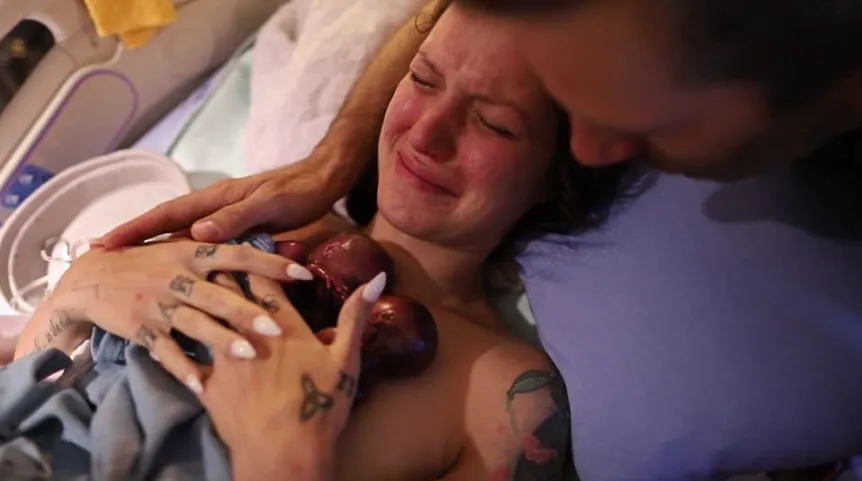
There is something especially cruel about watching your children struggle to live while no one is allowed—or willing—to help them. It is a pain that lingers, that resurfaces without warning, that tightens the chest and steals breath years later.
She believes she could have accepted their deaths more easily if at least an attempt had been made.
But no attempt came.
And that absence now defines everything.
This story is not just about Thunder and Cloud. It is about a system that draws hard lines where life still exists. It is about gestational cutoffs that can override what parents see with their own eyes.
It is about the difference between “cannot” and “will not.”
Across North America, standards of care for extremely premature babies vary widely. Some hospitals offer active resuscitation at 22 weeks. Some even at 21. Others refuse care entirely before 23 weeks, regardless of individual circumstances.
A baby born alive in one hospital may receive every possible intervention. The same baby, born miles away, may receive nothing at all.
For parents, that reality is devastating.
Because hope should not depend on geography.
Thunder and Cloud’s mother does not claim guarantees. She does not say her sons would certainly be alive today. She does not deny the risks, the complexities, or the challenges of extreme prematurity.
What she asks for is simpler.
She asks for effort.
She asks for consistency.
She asks that any baby born alive be offered medical assistance, just like any other human being struggling to survive.
She asks that parents not be told their hope is cruelty.
She asks that no mother ever again hold a breathing child while pleading for help that never comes.
In sharing her story, she honors her sons.
Thunder and Cloud were here. They moved. They breathed. They were loved. Their lives mattered, even if they were brief.
Their names now carry a purpose beyond loss.
Their mother is calling for a higher standard of care—one that recognizes how rapidly medicine evolves, how survival rates have changed, and how rigid policies can lag behind reality.
She believes parents should have the right to hope.
Hope does not guarantee survival. But denying hope guarantees nothing will be tried.
And for families like hers, that is the deepest injustice of all.
As more babies born at 21 and 22 weeks survive around the world, the question becomes harder to ignore.
If a child is born alive and fighting to breathe, who decides whether that fight is worth joining?
And how m