
All they wished for was a healthy baby. Nothing more. Nothing less. Like most parents-to-be, they imagined tiny fingers, first smiles, and peaceful nights. They dreamed of milestones, first steps, and gentle laughter filling their home. But then, one routine scan changed everything. Mason’s heart was fighting before he was even born. The words “Tetralogy of Fallot” echoed in the sterile room, carrying with them a mixture of fear, disbelief, and uncertainty.
Tetralogy of Fallot, a rare congenital heart defect, meant that Mason’s tiny heart could not deliver enough oxygen to his body. In that moment, the future they had envisioned seemed uncertain. Fear arrived early, a shadow over what should have been the joyous anticipation of a new life. But so did hope. Because this condition had been caught in time. Early detection offered a lifeline, a chance for intervention before complications could take root, and a chance for Mason to live beyond the uncertainty of the womb.
At just weeks old, Mason faced his first open-heart surgery. His tiny body, so fragile and small, was surrounded by machines that breathed for him, monitored him, and became a temporary extension of the heart that could not yet perform fully on its own. Every beep of the monitor, every flutter of his tiny fingers, every breath was a reminder of both the fragility of life and the extraordinary resilience contained within his small frame. His parents stood vigil by his bedside, their hands folded, hearts full of fear, and spirits bolstered by love.
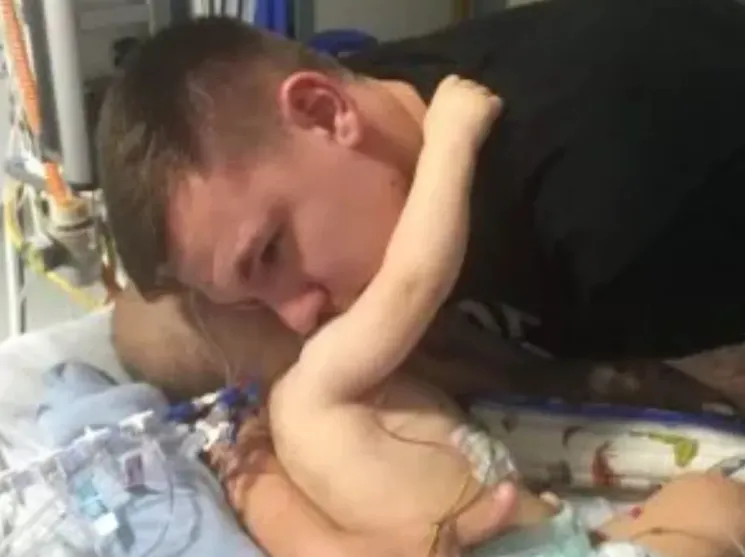
The surgery itself was grueling and delicate. Surgeons worked meticulously to repair Mason’s heart, aware that the margin for error was impossibly small. Outside the operating room, parents paced, whispered prayers into the sterile air, and tried to remain calm while every second seemed to stretch into eternity. And when the surgeons finally emerged with news that Mason had survived, relief washed over them in waves. The first victory in a long journey had been achieved, but it was clear that recovery would require patience, courage, and constant vigilance.
Recovery was slow. Mason’s tiny body had endured so much, and every day brought both progress and setbacks. Simple acts—breathing on his own, feeding without assistance, holding his head steady—became milestones to be celebrated. There were moments of exhaustion, tears, and fear. Nights were spent by his crib, holding his hand, watching monitors, whispering reassurance, and marveling at the strength of a child who had already faced so much. His parents learned to celebrate the small victories: a smile, a gentle kick, a peaceful nap. Each one was a triumph over the fragility that had defined his earliest days.
Through it all, Mason displayed a courage beyond his weeks. Even as a newborn, his determination to survive was evident in the rhythm of his heartbeat, the steadiness of his breath, and the subtle movements that indicated he had no intention of surrendering. His spirit became a source of inspiration to everyone who witnessed it—the medical team who cared for him tirelessly, the family who hovered at his side, and even the visitors who came with hopes and prayers for his recovery.
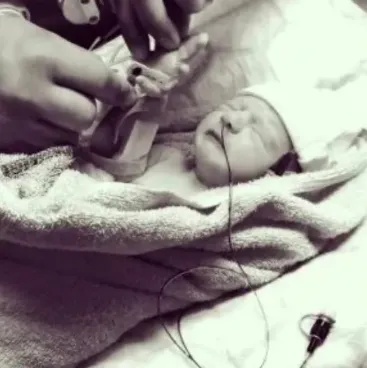
Months passed, and Mason began to grow stronger. Each day brought new milestones: sitting up, rolling over, grasping toys, and eventually taking his first steps. Every movement was a reminder that life could prevail, that early detection and timely intervention were not just medical victories but life-changing moments that saved a future. The parents, who had once been consumed by fear, now celebrated joy in ways they had never anticipated, cherishing every laugh, every giggle, and every small display of personality that emerged from a child who had already fought so hard.
Today, Mason runs, laughs, and plays like any other child. He climbs, explores, and discovers the world with an energy and curiosity that seemed impossible in those earliest days. The fragility that once defined him is now a quiet memory, a testament to the resilience of the human spirit and the incredible advances of medical care. His journey demonstrates that while congenital heart defects are serious and life-altering, early detection and intervention can change the trajectory of a life, turning uncertainty into hope, fear into triumph, and fragility into strength.
Mason’s story is proof: early detection doesn’t just save hearts—it saves futures. Every smile, every step, every moment of play is a celebration of the courage contained in a tiny body and the tireless love and dedication of parents, doctors, and nurses who refused to give up. His life is a living reminder that miracles often arrive through preparation, vigilance, and unwavering hope, and that even in the face of serious challenges, love and care can carry a child to thriving.
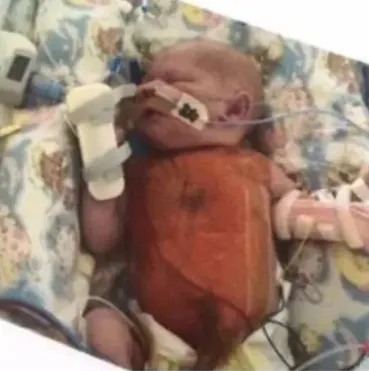
For parents facing similar diagnoses, Mason’s journey offers hope. It shows that while the path may be long, filled with fear and uncertainty, perseverance, medical care, and early intervention can provide children with the chance to live full, joyful lives. And for those who witness his story, it is a reminder that courage is not always loud—it sometimes whispers through small victories, steady progress, and the quiet beating of a tiny but determined heart.
Mason’s journey continues every day, but the foundation of hope, resilience, and love established during those first weeks carries him forward. Each breath, each giggle, each moment of joy is a testament to the triumph of life, the power of early detection, and the extraordinary strength found in even the smallest hearts.
Remembering Jordan Wallace 474
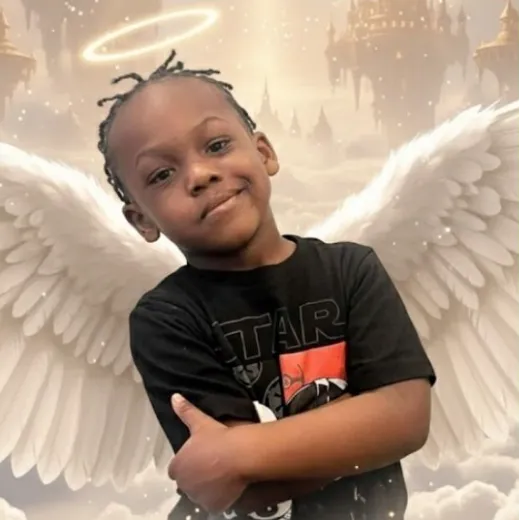
On July 4, 2025, the world was shattered by a tragedy that no parent, no community, should ever have to endure. Four-year-old Jordan Wallace’s life was brutally taken in a horrific act of violence, and the discovery of his death came not through the usual means, but through a house fire that unveiled the unspeakable crime. The flames, which should have been a symbol of independence and freedom, became the haunting backdrop to an unimaginable loss.
Jordan’s mother, the only suspect in this tragic case, stands accused of stabbing her young son and critically injuring her two other children. The circumstances surrounding this brutal act remain unclear, but authorities suspect that a severe mental breakdown, possibly exacerbated by untreated mental health issues, may have contributed to this devastating moment.
As of now, the details surrounding the motive remain a painful mystery. However, what is clear is the heartbreaking devastation of this crime. A young life, barely begun, was cut short in an act of violence that has left a family torn apart. Two siblings, who were also victims of this horrific attack, are left grappling with physical and emotional wounds, while a community struggles to comprehend how such an event could have unfolded within the confines of a home — a place that should have been a sanctuary for safety and love.

Jordan Wallace’s death raises profound and urgent questions about domestic violence, parental crisis, and the vulnerability of children in situations where mental illness or extreme emotional distress is present. This tragedy forces us to confront the uncomfortable reality that sometimes, the most dangerous threat to a child’s safety comes not from the outside world, but from within the very walls that should protect them.
Mental health, particularly among parents, is an issue that is often overlooked or misunderstood. Severe emotional breakdowns or untreated mental health crises can manifest in ways that are catastrophic, leaving children vulnerable to harm. In this case, there seems to have been a failure to address the underlying mental health needs that may have been a contributing factor to the tragedy. It is a stark reminder that mental illness is a disease that requires attention, support, and intervention, especially when children are involved.
As we remember little Jordan Wallace, we must honor his memory by asking difficult questions and demanding better systems of care for families who are at risk. How can we ensure that parents in crisis receive the help they need before it escalates to violence? How do we prevent similar tragedies from occurring in the future? And most importantly, how do we protect vulnerable children, like Jordan, from becoming victims of such horrific acts?
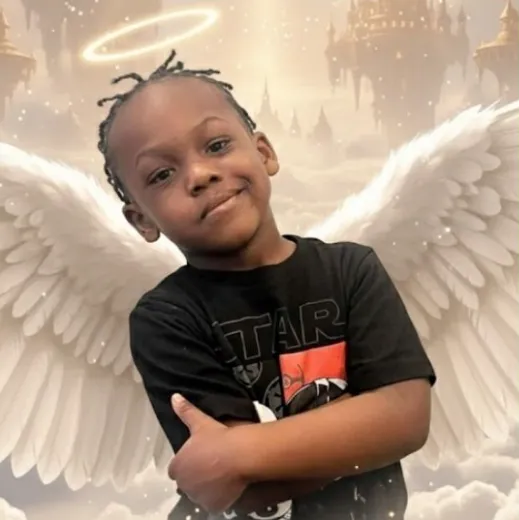
The loss of Jordan is a wound that may never fully heal for his surviving siblings, his extended family, and the community that loved him. There are no answers that can undo what has happened, no explanation that can make sense of this senseless violence. What remains is the pain of losing a young child who had so much life yet to live. What remains is the anguish of parents who, despite their own struggles, should have been their children’s first protectors.
In the wake of this tragedy, we must commit ourselves to preventing future acts of violence against children, to breaking the silence around domestic violence and mental health, and to ensuring that no child ever has to endure what Jordan did. It’s not just about seeking justice for his life — it’s about creating a world where children are protected, where mental health is treated with the seriousness it deserves, and where no child is ever left in harm’s way.
As we reflect on the life of Jordan Wallace, let us remember the fragility of life, and the importance of recognizing the warning signs of domestic violence and mental illness before it’s too late. His death is a call to action, a reminder that we must do better for the children who are most vulnerable. In his memory, let’s work toward creating a future where every child can grow up in a world full of love, safety, and hope.
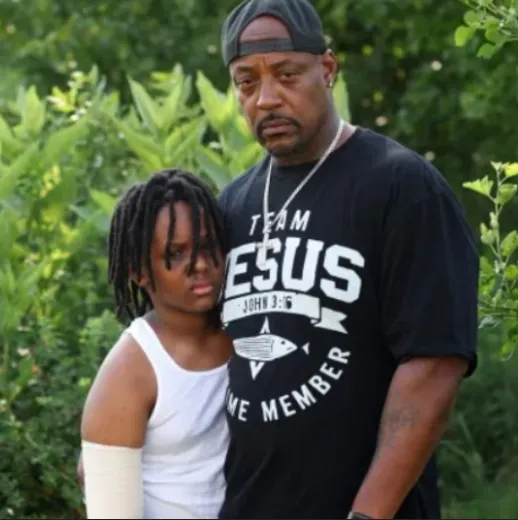
Rest in peace, Jordan. Your life was precious, and your memory will never be forgotten. 🕊️💔