
The word echoed through the courtroom like a door slamming shut, final and unforgiving.
It marked the end of one chapter and the beginning of another—one written in prison walls, regret, and consequences that could never be undone.
For one family, however, it came far too late to change the only outcome that mattered.
On January 23, 2026, a judge delivered a sentence that would follow a teenager for the rest of his life.
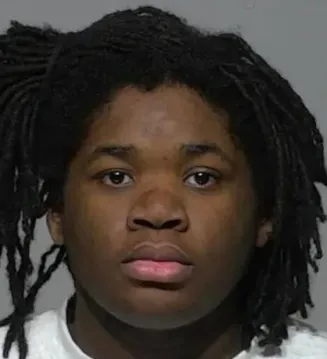
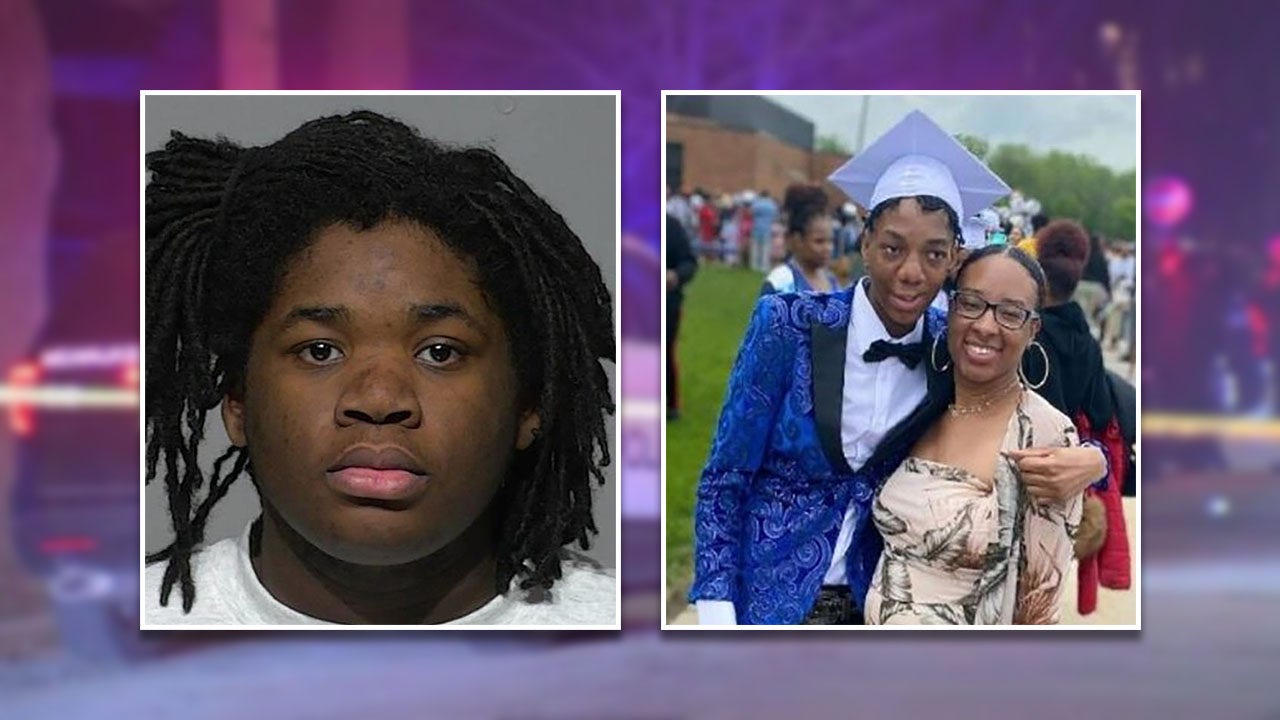
Romello Littlejohn was ordered to serve 25 years in prison, with credit for more than two years already spent behind bars.
After that, he would face another 20 years of extended supervision, a shadow of accountability stretching well into adulthood.
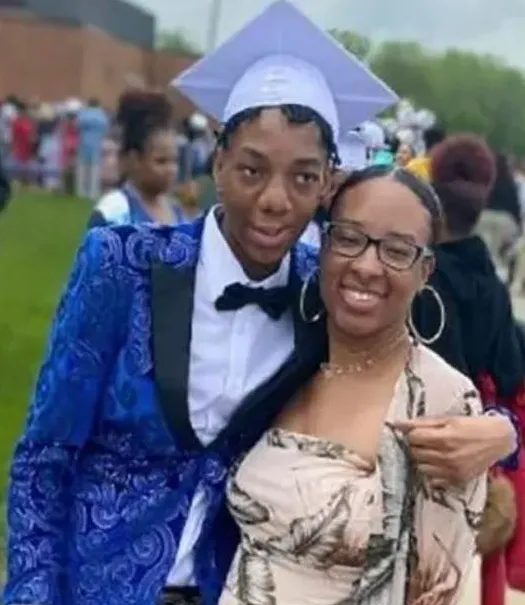
Littlejohn was just 16 years old when the gunfire erupted.
By the time the sentence was handed down, he was no longer a child in the eyes of the law.
The court now viewed him as responsible for a night that ended a life and shattered several others.
In December 2025, a jury found Littlejohn guilty on all six felony counts brought against him.
Those convictions included first-degree reckless homicide, first-degree recklessly endangering safety, and four counts of first-degree reckless injury.
Each charge carried its own weight, but together they told a story of chaos, fear, and irreversible loss.
Just days after sentencing, on January 26, 2026, Littlejohn filed a notice of intent to pursue post-conviction relief.
It was a legal step, one that signaled his fight was not over.
But for the victims, the verdict had already written a permanent ending.
The shooting happened on March 20, 2023, near 15th and Concordia in Milwaukee.
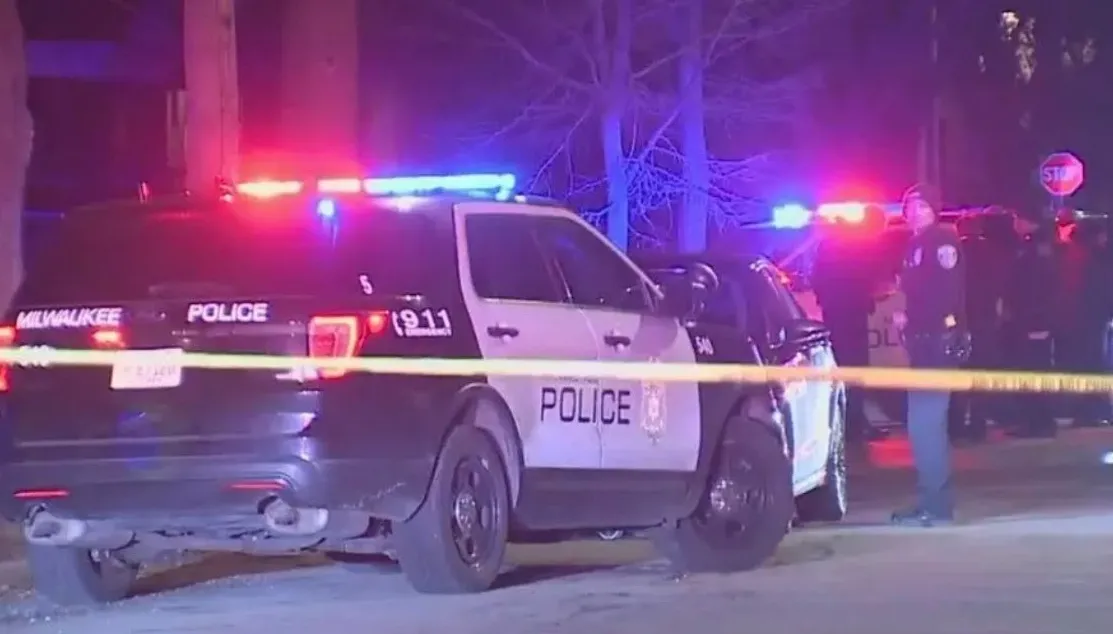
What began as a gathering of teenagers quickly spiraled into violence.
By the end of the night, the street was littered with shell casings and screams.
Police would later say that 15-year-old Davion Patterson died after suffering numerous gunshot wounds.
His life ended in seconds, stolen before it had truly begun.
Five women were also shot that night, each one carrying physical and emotional scars that would last far longer than the echoes of gunfire.
Investigators recovered approximately 30 bullet casings from the scene.
Ballistics suggested that at least two guns had been fired into the crowd.
The number alone told a story of reckless abandon, of bullets flying with no regard for who they might strike.
Witnesses described confusion, panic, and people scrambling for safety.
Some said they heard shouting just before the shots rang out.
Others said the violence came so fast there was no time to react.
According to investigators, there was supposed to be a fight that night.
One victim told police the confrontation stemmed from a conflict involving a boy.
Another said tensions had been brewing long before anyone showed up.
What was meant to be a brief altercation lasted only about ten seconds.
That was all it took for fists to give way to firearms.
Moments later, the street became a crime scene.
Prosecutors alleged that Littlejohn threatened to “pop” anyone who touched one of the people involved in the fight.
Those words, spoken in anger, would later take on a chilling significance.
They became part of the narrative that painted intent and recklessness in equal measure.
Two victims told investigators the gunman was recklessly shooting into the crowd.
They said there was no clear target, only chaos and fear.
Bullets tore through bodies indiscriminately, turning bystanders into victims.
When shown a photo lineup, witnesses identified Littlejohn as the shooter.
Their statements placed him among the group that went to the location prepared for violence.
The criminal complaint said another shooter, believed to be part of Littlejohn’s group, also fired into the crowd.
At first, Littlejohn denied being there at all.
He told police he had been home the entire night.
That story did not last long.
Eventually, Littlejohn admitted he was present but insisted he did not have a gun.
He said he saw girls fighting and then heard gunshots.
Once again, the details shifted.
Later, he acknowledged that he did have a gun.
Still, he claimed he never fired it.
He said three other people in his group were also armed.
That version, too, unraveled.
Littlejohn later told officers he did fire a gun but insisted he only shot into the air.
Investigators found that claim hard to reconcile with the evidence.
The most damaging piece of evidence came from Littlejohn’s own phone.
A text message sent on the night of the shooting read: “I shot (victim’s name).”
It was a digital confession that jurors would not ignore.
For Davion Patterson’s family, the trial reopened wounds that never truly closed.
They listened as attorneys recited details of their son’s final moments.
Each word felt like another bullet tearing through their hearts.

Davion was 15 years old.
An age meant for school, friends, and dreams that stretch far into the future.
Instead, his life became a statistic in a city all too familiar with gun violence.
The five women who survived carried their own burdens into the courtroom.
Some walked with lingering pain.
Others carried invisible injuries that no sentence could heal.
In court, prosecutors argued that Littlejohn’s actions showed a reckless disregard for human life.
They said firing into a crowd was not an accident, but a choice.
A choice that ended one life and endangered many others.
Defense attorneys pointed to Littlejohn’s age.
They spoke of immaturity, poor judgment, and a brain not fully developed.
But the jury had already decided responsibility did not disappear with youth.
The judge acknowledged the tragedy on all sides.
A teenager sentenced to decades in prison.
Another teenager buried far too soon.
When the sentence was read, the courtroom was silent.
There were no cheers, no sense of victory.
Only the heavy understanding that justice does not always feel like closure.
For Davion’s loved ones, the sentence could never bring him back.
It could not erase birthdays that would never be celebrated or milestones forever missed.
It could only affirm that his life mattered under the law.
For Littlejohn, the sentence marked the end of his adolescence and the beginning of a long reckoning.
His future would now be defined by prison numbers and visiting hours.
A life redirected by one night of violence.
Gun violence often leaves behind two ruined paths.
One belongs to the victim, cut off without mercy.
The other belongs to the person who pulled the trigger, forever bound to that moment.
Communities like Milwaukee know this story too well.
Teen conflicts escalate, weapons appear, and lives are lost before anyone can intervene.
Each case adds another layer of grief to streets already heavy with it.
This case raised painful questions about access to guns, conflict resolution, and accountability.
It forced a community to confront how quickly teenage anger can turn deadly.
And how many warnings go unheard until it is too late.
As the legal process continues with post-conviction motions, one truth remains unchanged.
Davion Patterson will never come home.
Five others will live forever with the memory of that night.
Sentences can be appealed, reduced, or reconsidered.
Death cannot.
That is the cruel imbalance at the heart of every homicide case.
In the end, this story is not just about a sentence.
It is about a moment when choices collided with consequences.
And about a life lost in a crowd that never expected bullets to fly.
Davion’s name now lives in court records, headlines, and the hearts of those who loved him.
Littlejohn’s name lives alongside it, tied forever to the same night.
Two teenagers, one moment, and a future forever changed.