
Laekyn Hardy was four and a half years old when her body began sending signals no child’s body ever should.
The little girl from Fulton, Missouri, who once ran barefoot through the yard, suddenly grew pale, quiet, and tired.
At first, it looked harmless.
A few sluggish mornings, less appetite, and a heaviness in her movements.
But parents know when something is off.
Michael and Jordan Roberts felt it in their bones.
Laekyn wasn’t just tired.
She was fading in a way that made no sense.
In September, they decided not to wait it out.
They packed the car and began driving toward MU Children’s Hospital in Columbia.
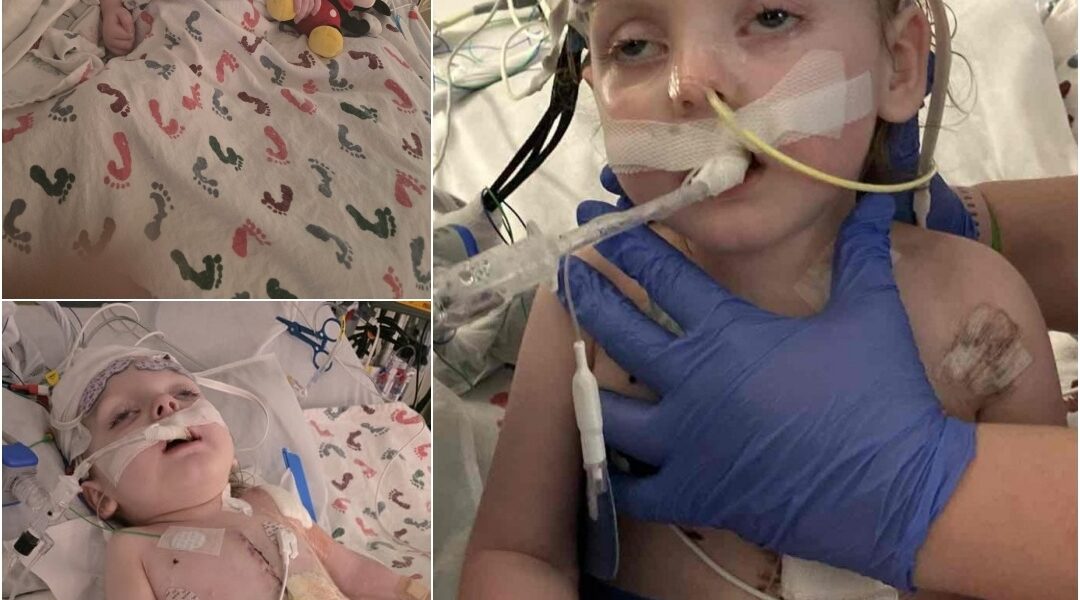
Halfway there, Laekyn’s condition worsened.
Her breathing changed, her energy vanished, and panic took over.
They pulled off and rushed her to Children’s Mercy Hospital instead.
That decision may have saved her life.
Doctors moved quickly.
Tests were ordered, blood drawn, monitors attached.
The room filled with controlled urgency.
Jordan remembers the air feeling heavy and unreal.
The diagnosis came fast and hard.
Pneumonia and sepsis.
Her blood counts were dangerously low.
Transfusions became necessary almost immediately.
Jordan would later say there was a moment they almost lost her.
A moment that still echoes in her chest.
Eleven days passed inside hospital walls.
Every hour felt like borrowed time.
When Laekyn was finally discharged, relief should have followed.
But it didn’t.
Jordan’s instincts refused to quiet.
Something was still wrong.
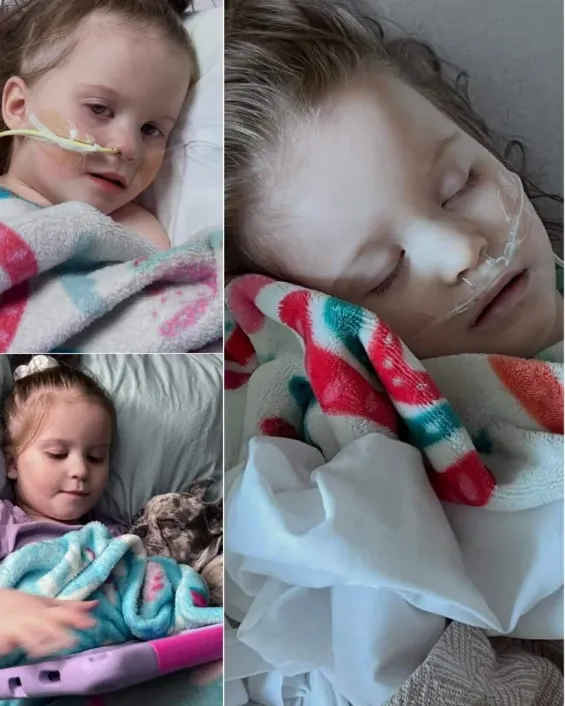
Laekyn went home, but she didn’t recover.
She remained weak, pale, and distant.
As an autistic, non-verbal child, she couldn’t explain what hurt.
Her silence made the fear louder.
December arrived with no improvement.
May you like

Jordan stopped doubting herself.
They returned to the hospital.
This time, answers would change everything.
Doctors ordered deeper testing.
Blood work revealed patterns no one wanted to see.
On December 18, 2024, the words fell like a sentence.
B-Cell Acute Lymphoblastic Leukemia.
Cancer.
A word that splits life into before and after.
Laekyn didn’t understand the word.
But she felt the shift immediately.
The room changed.
The tone changed.
Doctors spoke carefully.
Time suddenly mattered more than ever.
The very next day, treatment began.
Chemotherapy entered Laekyn’s life without warning.
Her childhood rerouted overnight.
Hospital corridors replaced playgrounds.
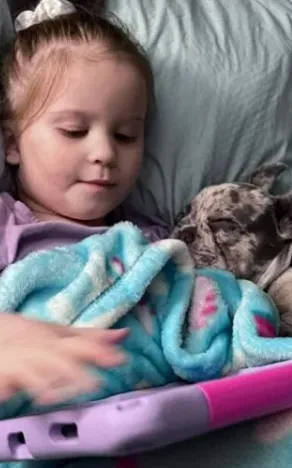
Machines replaced cartoons.
Needles replaced crayons.
Over two years of treatment stretched ahead.
A timeline no parent is ready to hear.
Jordan remembers feeling frozen.
How do you plan for something like this?
But Laekyn didn’t freeze.
She kept being Laekyn.
She smiled through procedures.
She laughed when nurses didn’t expect it.
She loved music.
She loved dancing even when her body was tired.
She loved animals and swimming.
She loved Dora the Explorer.
Cancer didn’t erase her joy.
It tried, but failed.
Chemotherapy is relentless.
It attacks fast-growing cells without mercy.
Laekyn endured side effects most adults struggle to survive.
Fatigue, nausea, weakness, endless appointments.
Some days were unbearable.
Some nights felt endless.
But she kept showing up.
So did her parents.
Jordan learned to read medical charts.
Michael learned to measure days in breaths.
They learned how to celebrate small wins.
A good blood count became a victory.
A stable scan felt like a miracle.
A laugh became a lifeline.
The months blurred together.
Hospital visits became routine.
Holidays passed differently now.
Normal life felt distant.
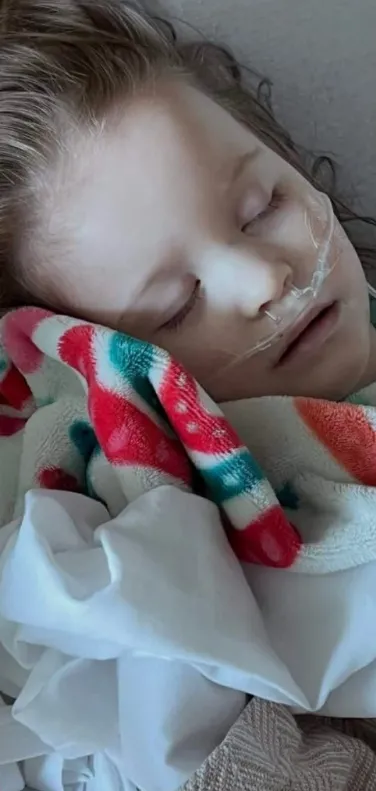
But Laekyn’s spirit never disappeared.
It anchored everyone around her.
She still wanted to go outside.
She still wanted to dance.
She still reacted to music with joy.
She still loved being held.
One year after diagnosis, something shifted.
Doctors began speaking with cautious optimism.
Laekyn was responding to treatment.
Her body was fighting back.
She transitioned to a daily chemotherapy pill.
The intensity softened, but vigilance remained.
Checkups moved to every three months.
The waiting never stopped.
Then came news Jordan barely dared to believe.
Once treatment ends, relapse risk may be as low as three percent.
For families facing leukemia, numbers like that mean everything.
They represent futures once thought impossible.
Jordan wanted others to hear the good news.
Not to minimize cancer, but to show hope.
Acute Lymphoblastic Leukemia is terrifying.
But it is also treatable.
Outcomes can be positive.
Survival is real.
Laekyn’s story became larger than one family.
It became a message.
A reminder that listening to instincts matters.
That persistence saves lives.
That children are stronger than we imagine.
Stronger than their diagnoses.
Laekyn continued treatment with bravery that humbled adults.
She never asked why.
She simply endured.
And kept smiling.
Her parents learned to live scan to scan.
Appointment to appointment.
They learned uncertainty doesn’t disappear.
It just changes shape.
Even good news carries fear.
Even progress feels fragile.
Yet hope grew louder than fear.
Day by day.
Laekyn began thriving again.
Her personality shone brighter.
She played.
She explored.
She laughed freely.
She lived fully in the moment.
Cancer tried to interrupt her childhood.
It did not destroy it.
She remained curious.
She remained joyful.
She remained herself.
And that mattered.
Community support wrapped around the family.
Strangers became allies.
Prayers arrived from people they had never met.
Encouragement filled the gaps fear left behind.
Jordan speaks openly now.
About fear, about resilience, about hope.
She wants other parents to know they’re not alone.
She wants them to trust themselves.
Too many stories end in silence.
Laekyn’s is still being written.
The journey isn’t over.
Treatment continues.
Checkups remain.
Questions linger.
But the worst moment has passed.
And the future looks possible again.
Laekyn is not defined by leukemia.
She is defined by courage.
By resilience.
By light.
Her story reminds us that strength doesn’t require understanding.
Sometimes it exists instinctively.
In small bodies.
With huge hearts.
Laekyn keeps going.
And so does hope.
She is still here.
And that changes everything.
Her fight continues quietly.
But her impact is loud.
She is proof that even when life says “leukemia,”
a child can answer with survival.
And refuse to break.