GLOBAL POWER SHIFT: NOT JUST A WAR ANYMORE — A DEFINING MOMENT RESHAPING ALLIANCES, POWER DYNAMICS, AND THE FUTURE OF GLOBAL GEOPOLITICS.

The world is no longer looking at a single conflict — it is witnessing a transformation in the global order. What began as a large-scale military strike has quickly evolved into something far more complex: a test of alliances, influence, and the future balance of power.
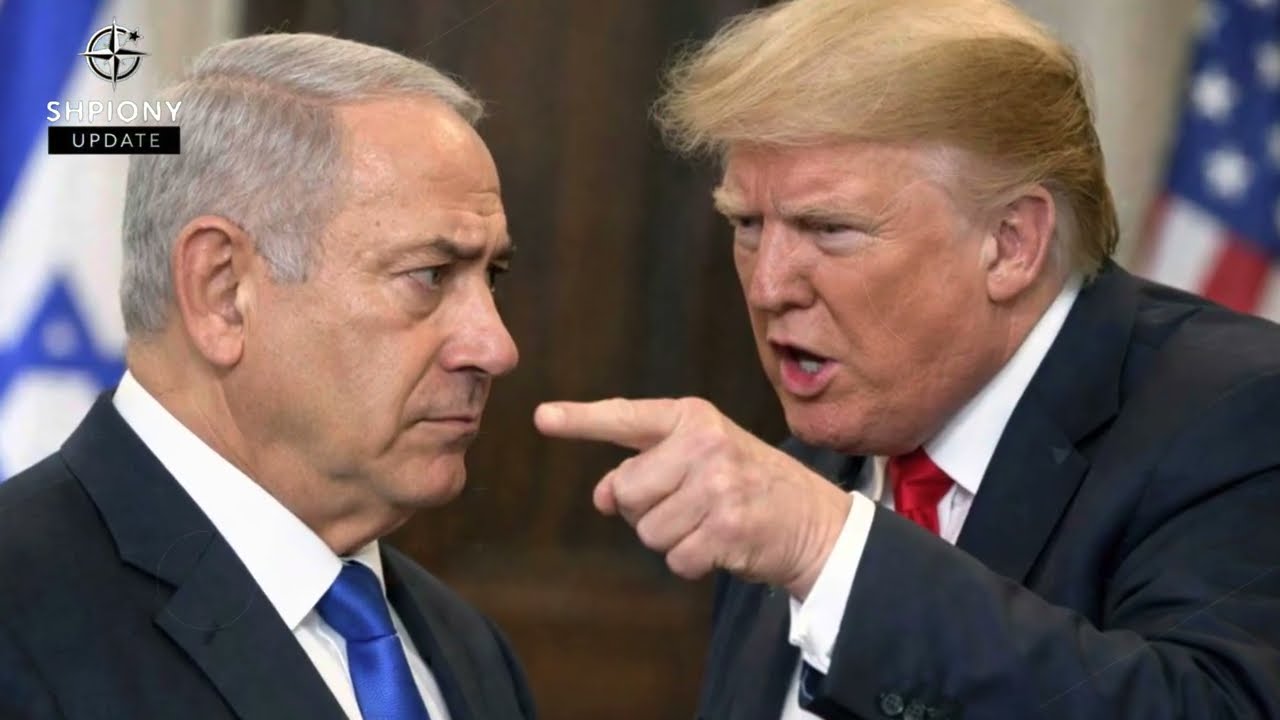
When the United States and Israel launched coordinated attacks on Iranian military and strategic targets, many assumed a familiar pattern would follow — unified Western support, swift condemnation of Iran, and a controlled escalation. Instead, the reaction exposed cracks in what once seemed like a solid geopolitical structure.
Some Western allies responded with caution rather than full endorsement. Others openly questioned the scale and consequences of the operation. This hesitation signals a broader shift: global alignment is no longer automatic, and strategic interests are becoming more independent and fragmented.
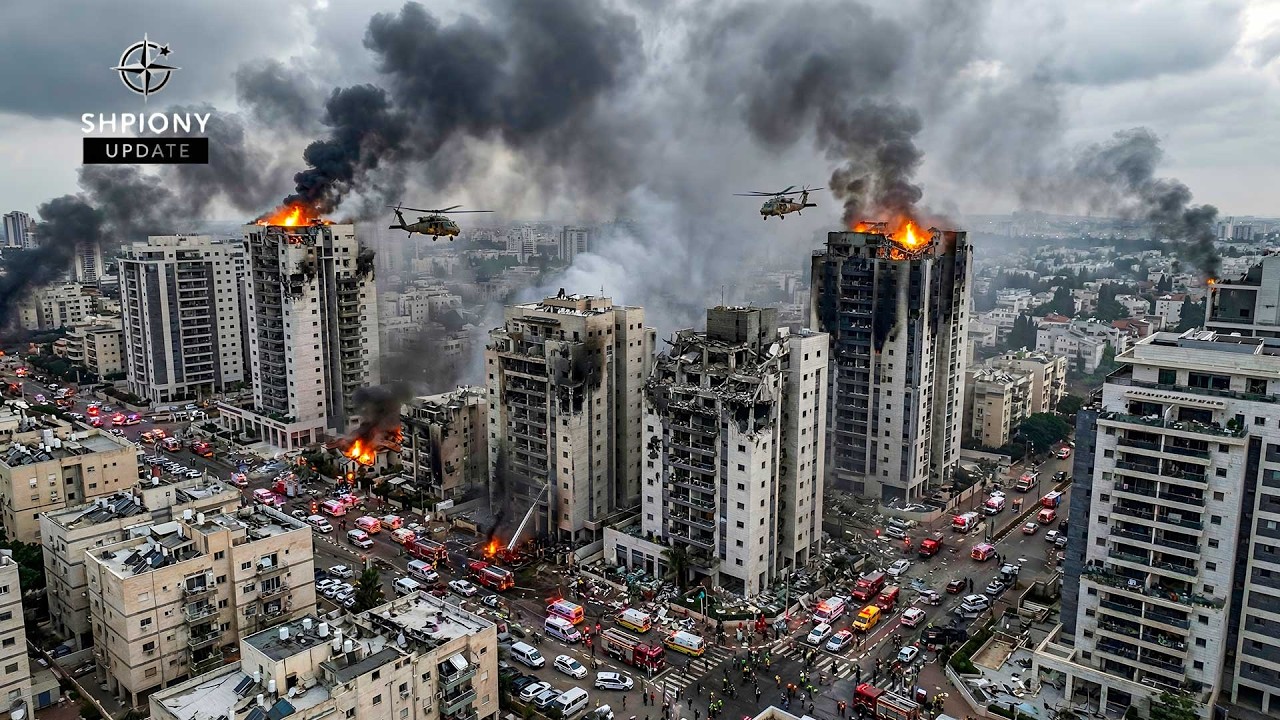
Iran’s response further intensified the situation. Rather than backing down, Tehran acted quickly, deploying ballistic missiles, long-range drones, and targeting both Israeli positions and U.S. military assets in the region. This was not just retaliation — it was a calculated demonstration of capability and deterrence.
But beyond the battlefield, the narrative war has become just as important. Iran framed its actions as self-defense, invoking international law and sovereignty. This argument, while controversial, resonated with several nations that viewed the initial strike as a dangerous escalation. As a result, global opinion became divided rather than unified.
At the United Nations, the division was impossible to ignore. Emergency meetings failed to produce a unified resolution. Major powers like Russia and China condemned the attack, while others defended it. This deadlock highlights a critical reality: the era of a single dominant global voice is fading.
Another key factor in this shifting landscape is Iran’s strategic approach. Unlike traditional military powers that rely solely on conventional strength, Iran has developed a network of regional alliances and proxy forces. This allows it to project influence across multiple fronts, making any conflict more unpredictable and harder to contain.
Its missile arsenal also plays a central role. With thousands of ballistic missiles capable of reaching distant targets, Iran has built a deterrent that forces adversaries to think twice before escalating further. These weapons are not just tools of war — they are instruments of psychological and strategic pressure.
In modern conflicts, victory is no longer defined purely by territory or firepower. Perception, narrative, and global opinion are equally decisive. The current situation reflects that shift clearly: different countries are interpreting the same events in very different ways, leading to a fragmented global response.
What we are witnessing is not just a regional war, but a signal of deeper change. Power is becoming more distributed. Alliances are more flexible. And the rules that once governed international relations are being questioned.
The real question is no longer who will win this conflict — but what kind of world will emerge from it.