Independent Review Finds Preventable Failures in Deadliest English Channel Migrant Boat Capsizing

An independent inquiry published on March 13, 2026, has concluded that a combination of systemic deficiencies and operational shortcomings contributed to the deaths of at least 30 people when an overcrowded inflatable boat capsized in the English Channel on November 24, 2021. The report, led by retired judge Sir Ross Cranston, describes the tragedy as avoidable and highlights critical gaps in search-and-rescue coordination between UK and French maritime authorities.
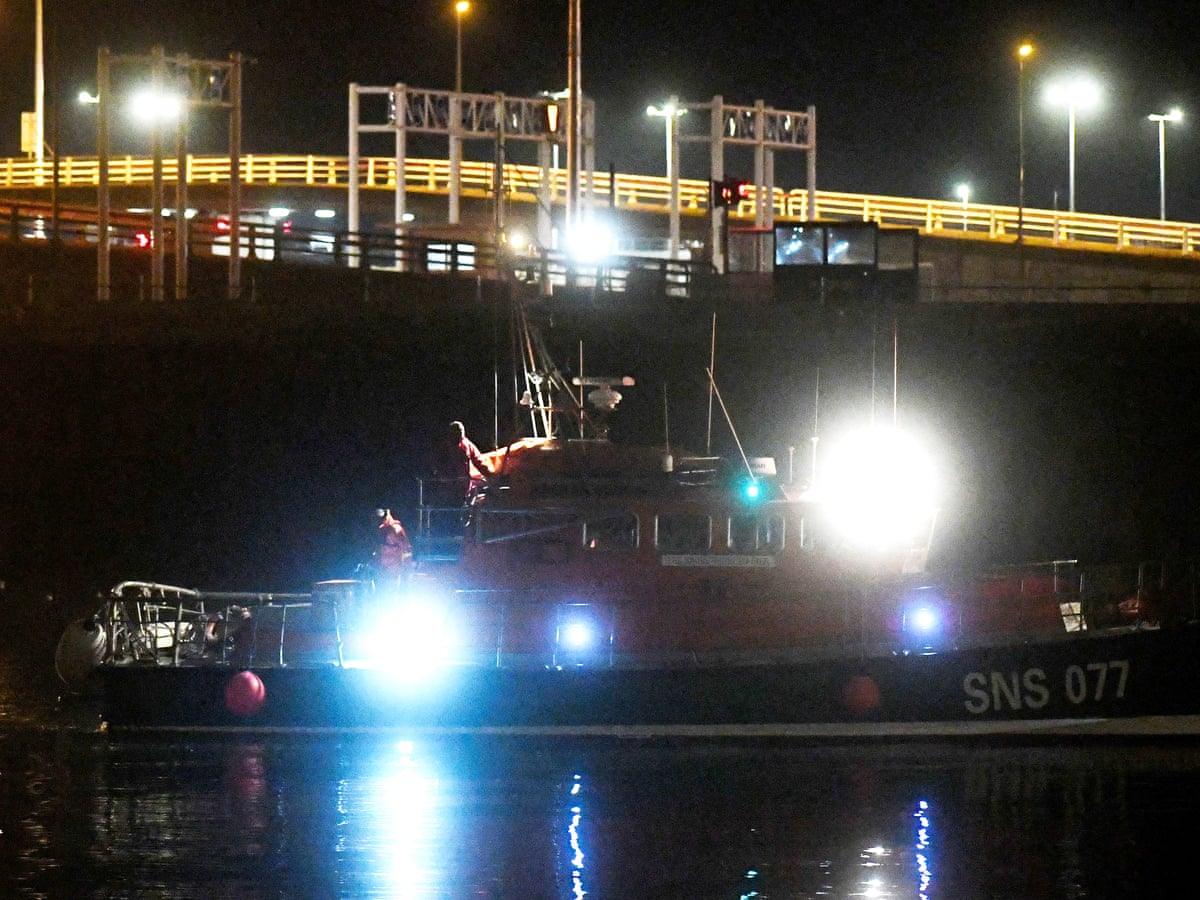
The incident involved a small dinghy carrying 33 migrants—men, women, and children from Iraq, Somalia, Ethiopia, Egypt, and Afghanistan—who had departed from a beach near Dunkirk, France. The vessel, provided by people-smuggling networks, was ill-suited for the crossing, lacking sufficient buoyancy and safety equipment. Approximately four hours into the journey, the boat began taking on water. Distress calls were relayed, but rescue efforts were delayed, and the dinghy eventually deflated. Only two survivors were recovered after nearly 12 hours in the water by a French fishing vessel. The bodies of 27 victims were retrieved, while four individuals remain missing and are presumed dead.
The youngest confirmed victim was a seven-year-old girl, Hasti Rizghar Hussein. Survivor accounts and forensic analysis indicate that many of those on board survived for several hours in cold water conditions. Expert testimony presented to the inquiry suggested that a more timely and sustained response could have resulted in additional lives saved.
The report assigns primary responsibility to the smuggling networks that facilitated the dangerous voyage, noting that operators routinely provide unseaworthy craft and false assurances of safety to maximize profits. However, it also identifies significant failings on the part of state authorities. HM Coastguard in Dover was described as operating under chronic staffing shortages and resource constraints, which placed personnel in an “intolerable position” when managing multiple simultaneous incidents. The inquiry found that search operations were terminated prematurely, and communication protocols between UK and French services did not function effectively. A French naval vessel failed to respond to a mayday relay issued by the British Coastguard, contributing to the delay in potential intervention.
The findings have prompted renewed calls for improved bilateral cooperation and resource allocation. Recommendations include enhanced staffing levels at key coastguard stations, clearer protocols for handling distress signals from small vessels, and better risk assessment when migrants report emergencies. The report emphasizes the need for accurate interpretation of calls for help, noting a historical tendency to underestimate the severity of situations involving inflatable boats.
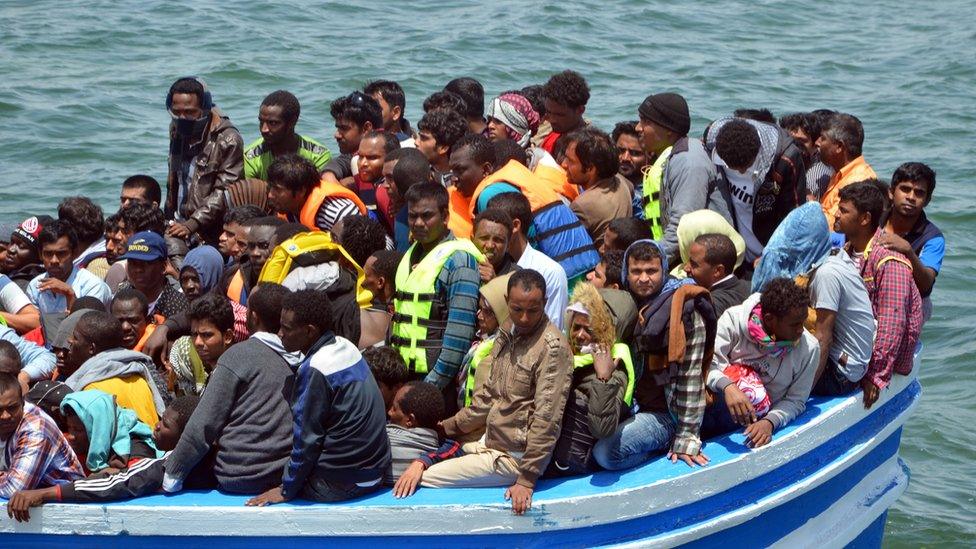
The English Channel remains a primary route for irregular migration from northern France to southeast England. Despite intensified enforcement efforts, crossings have continued at significant scale. Official statistics released in early 2026 show that 41,327 people arrived via small boats in 2025—the second-highest annual total on record. In the first two months of 2026, arrivals have remained elevated, though joint UK-French operations have intercepted thousands of attempted crossings.
The UK government has responded to ongoing pressures with legislative and operational measures. The Border Security, Asylum and Immigration Act, passed in late 2025, introduced new criminal offenses targeting smuggling organizers and granted law enforcement expanded powers to disrupt networks. Authorities report that more than 40,000 crossing attempts have been prevented since the current administration assumed office, and nearly 60,000 individuals without legal status have been removed or deported during the same period. Additional steps include tightened rules on student dependants, expanded English-language requirements for certain visa routes, and increased investment in detection technology along the French coast.
French authorities have also intensified patrols and dismantled makeshift camps used as staging points. Bilateral working groups continue to meet regularly to coordinate intelligence sharing and operational planning. Despite these efforts, smuggling groups have adapted tactics, often launching boats from more remote beaches and using encrypted communication to evade detection.
The 2021 tragedy has remained a reference point in domestic political debates. Opposition parties have cited the inquiry’s conclusions to argue that enforcement gaps persist and that current policies fail to sufficiently deter irregular entry. Independent voices and advocacy groups have called for greater emphasis on safe and legal migration pathways to reduce reliance on dangerous sea routes. Humanitarian organizations stress that many individuals attempting the crossing are fleeing conflict, persecution, or extreme poverty, and that criminalizing smuggling must be accompanied by expanded resettlement and family reunification options.
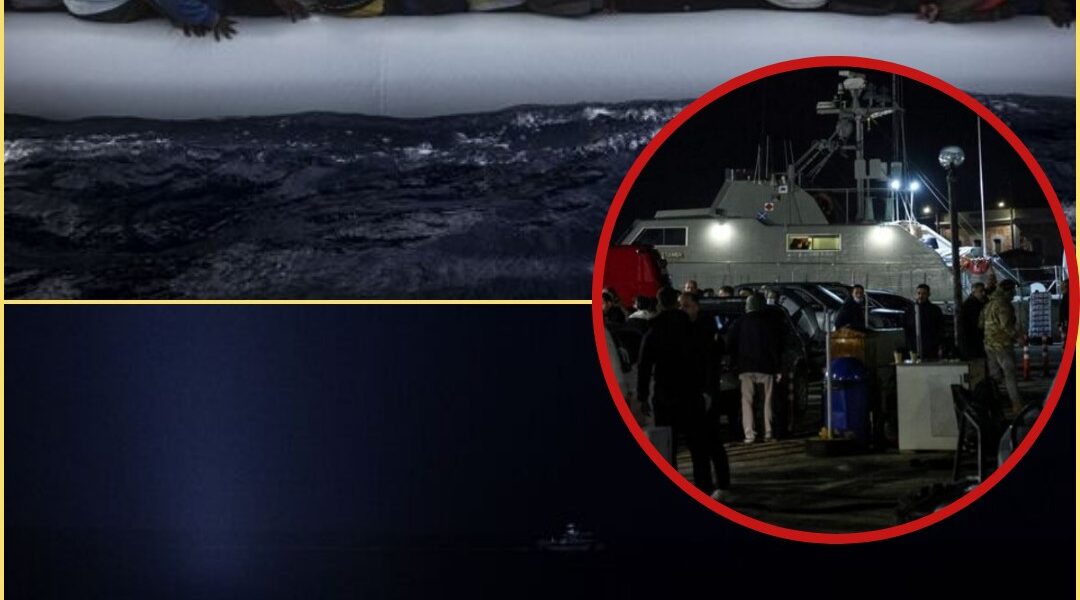
Maritime safety experts note that the Channel’s challenging conditions—strong currents, heavy commercial traffic, and low water temperatures—greatly increase risks for unseaworthy vessels. Recent unrelated incidents, including a March 2026 collision off Turkey involving a migrant boat and a coast guard vessel, illustrate the broader global hazards associated with irregular sea migration.
Public opinion in the UK continues to reflect concern over migration volumes. Regular surveys place immigration among the top voter priorities, with a majority favoring reduced net migration while acknowledging the role of overseas workers in key sectors such as healthcare and construction. The government maintains that its approach seeks to balance economic requirements, humanitarian obligations, and public expectations for controlled borders.
The inquiry’s publication has renewed parliamentary and media attention on implementation of its recommendations. Home Office officials have indicated that work is underway to address identified deficiencies, including recruitment drives for coastguard personnel and updated training on distress-signal handling. Cross-channel cooperation is expected to remain a priority in upcoming bilateral talks.
For the families of the victims, the report provides formal acknowledgment of preventable elements in the tragedy, though it cannot undo the loss. Survivors and relatives have continued to seek accountability and systemic change, emphasizing the need for reforms that prioritize life-saving obligations under international maritime law.
As migration pressures evolve amid geopolitical instability, climate displacement, and economic disparities, managing safe and orderly border systems remains a complex challenge. The 2021 incident and its aftermath serve as a sobering reminder of the human stakes involved and the importance of continuous improvement in search-and-rescue capabilities, intelligence sharing, and disruption of smuggling operations.
The English Channel crossing route is likely to remain a focal point for policy debate in the coming months. With seasonal weather patterns influencing crossing attempts and enforcement operations, outcomes in 2026 will provide further indicators of whether current measures are achieving meaningful reductions in both arrivals and associated risks.