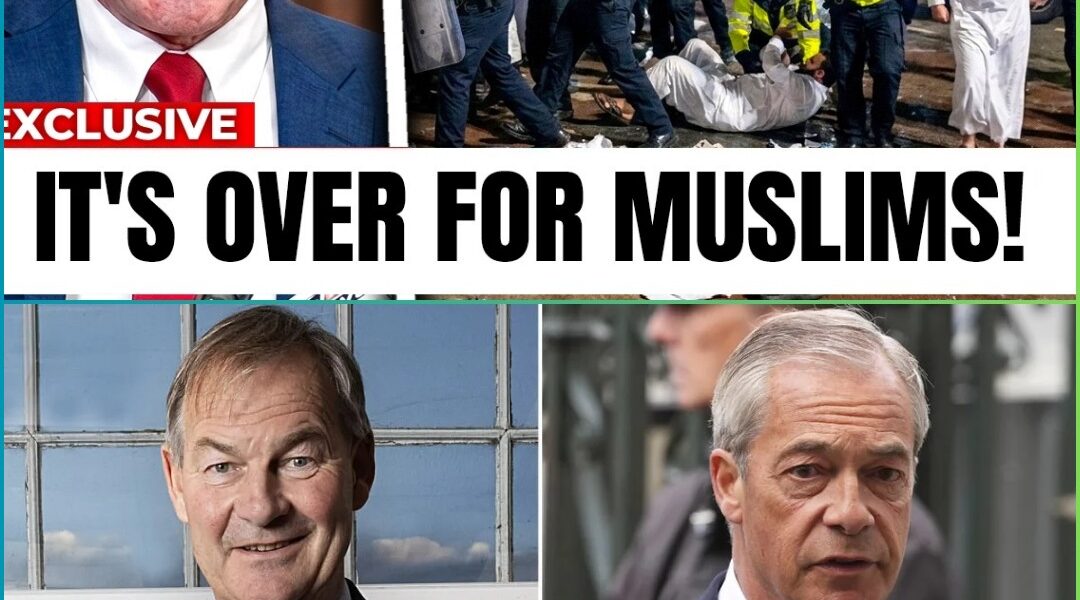

Britain’s Immigration Debate Hardens as Robert Low Calls for Strict Welfare and Deportation Policies
LONDON — Britain’s long-running debate over immigration and national identity has taken a sharper turn in recent days, as political commentator and activist Robert Low released a video outlining a stringent proposal to overhaul the country’s welfare system and immigration enforcement. The message, delivered in blunt terms, has quickly circulated online and reignited arguments about integration, social responsibility and the limits of government support.
In the video, posted on social media, Mr. Low argued that Britain’s welfare state must be rebuilt around what he called “participation, rehabilitation and expectation.” While he emphasized that the country has a moral duty to protect citizens who genuinely cannot work, he insisted that the existing system encourages long-term dependency and fails to push people toward employment or training.
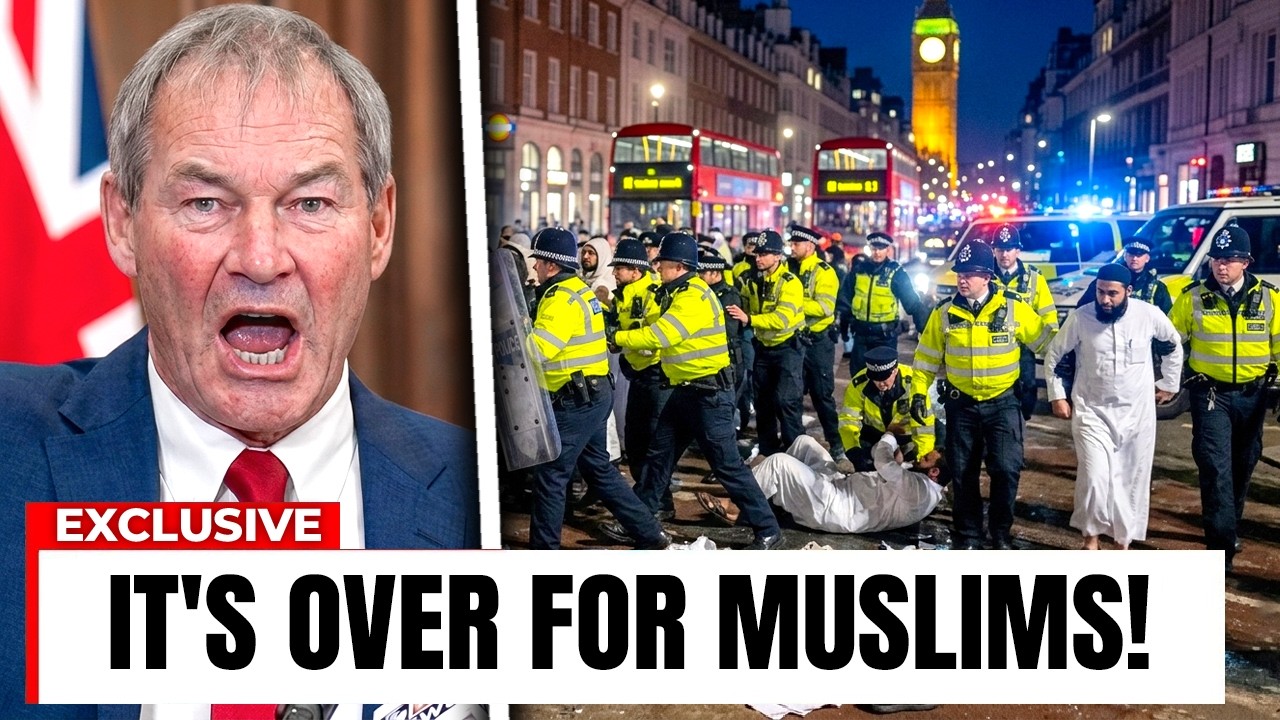
“If you can work, you must work,” he said. “If you can train, you will train.” Under his proposed framework, individuals who repeatedly refuse to participate in employment or training programs would lose their benefits.
The most controversial element of Mr. Low’s plan involves foreign nationals living in Britain. According to his proposal, non-citizens would lose access to nearly all state benefits, including Universal Credit, social housing and disability payments. Those unable to support themselves financially would be required to leave the country.
“If you are a guest in our country, you will support yourself,” Mr. Low said. “If you cannot do that, then you must leave.”
His remarks reflect a growing strain of hard-line rhetoric that has been gaining traction in some corners of Britain’s political discourse, particularly among groups that argue the current immigration system places too great a strain on public services and social cohesion.
Supporters of stricter policies often frame their arguments around the concept of integration — the idea that newcomers must fully adapt to the country’s laws and cultural norms. They contend that Britain’s welfare system can unintentionally act as a “pull factor,” attracting migrants who expect access to public benefits upon arrival.
Critics, however, say such claims oversimplify complex economic and social dynamics. Economists and migration scholars have repeatedly noted that immigrants, including recent arrivals, often contribute significantly to the labor market and public finances over time.
Still, frustration over immigration remains a powerful political force in Britain. Online commentary surrounding Mr. Low’s video included references to isolated incidents of street violence in communities with large immigrant populations, which some activists argue demonstrate a breakdown in social order.
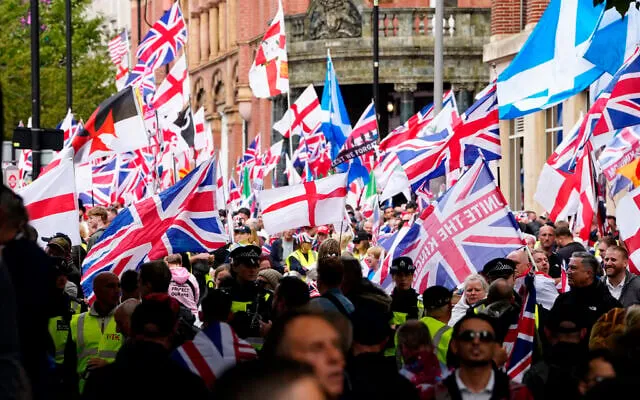
One widely circulated social media post, for example, showed footage of a street altercation in Bolton, accompanied by commentary claiming that migrant communities were increasingly clashing in public spaces. The authenticity and broader context of such clips are often difficult to verify, but they frequently spread quickly across online platforms and shape public perception.
For many observers, the debate reflects deeper anxieties about the direction of the country. Rising housing costs, pressure on public services and stagnating wages have contributed to a sense among some voters that the political system is failing to respond to their concerns.
Mr. Low’s comments also come amid a broader discussion within right-leaning political circles about electoral strategy. Some activists argue that new political movements risk dividing conservative voters and weakening their influence at the ballot box — a phenomenon often described as “vote splitting.”
Mr. Low dismissed that argument in a separate video message, calling it a tactic used by established parties to discourage political alternatives.
“It’s not their vote to split,” he said. “It belongs to the voter.”
The comment speaks to a wider frustration with Britain’s political establishment that has fueled support for smaller parties and insurgent movements in recent years. Analysts say voter apathy is also a major factor: turnout in many local elections remains far below national averages, and millions of eligible voters do not participate regularly.

Some activists argue that mobilizing these disengaged voters could dramatically reshape the political landscape. Others warn that growing polarization risks further eroding trust in democratic institutions.
For now, Mr. Low’s proposals remain outside mainstream policy discussions, but the reaction to them highlights how sharply divided the national conversation has become.
The central question facing Britain, many analysts say, is how to balance immigration, economic need and social cohesion without deepening political divisions.
What is clear is that the debate — once largely confined to policy papers and parliamentary committees — is now unfolding loudly and publicly online, where blunt slogans and viral videos often travel faster than nuanced arguments.
And as Britain approaches another politically uncertain period, voices calling for tougher measures are likely to remain a prominent part of the national conversation.