UK Government Adopts Anti-Muslim Hostility Definition Amid Wider Integration Discussions. phunhoang

The United Kingdom has published an official definition of anti-Muslim hostility, accompanied by plans to appoint a coordinator to oversee its implementation across public institutions. The move, announced by relevant government figures, responds to concerns raised by Muslim community representatives about the prevalence of prejudice and hate incidents. Official statements indicate that 45 percent of recorded hate crimes target Muslims, with many individuals expressing fear and insecurity in daily life.
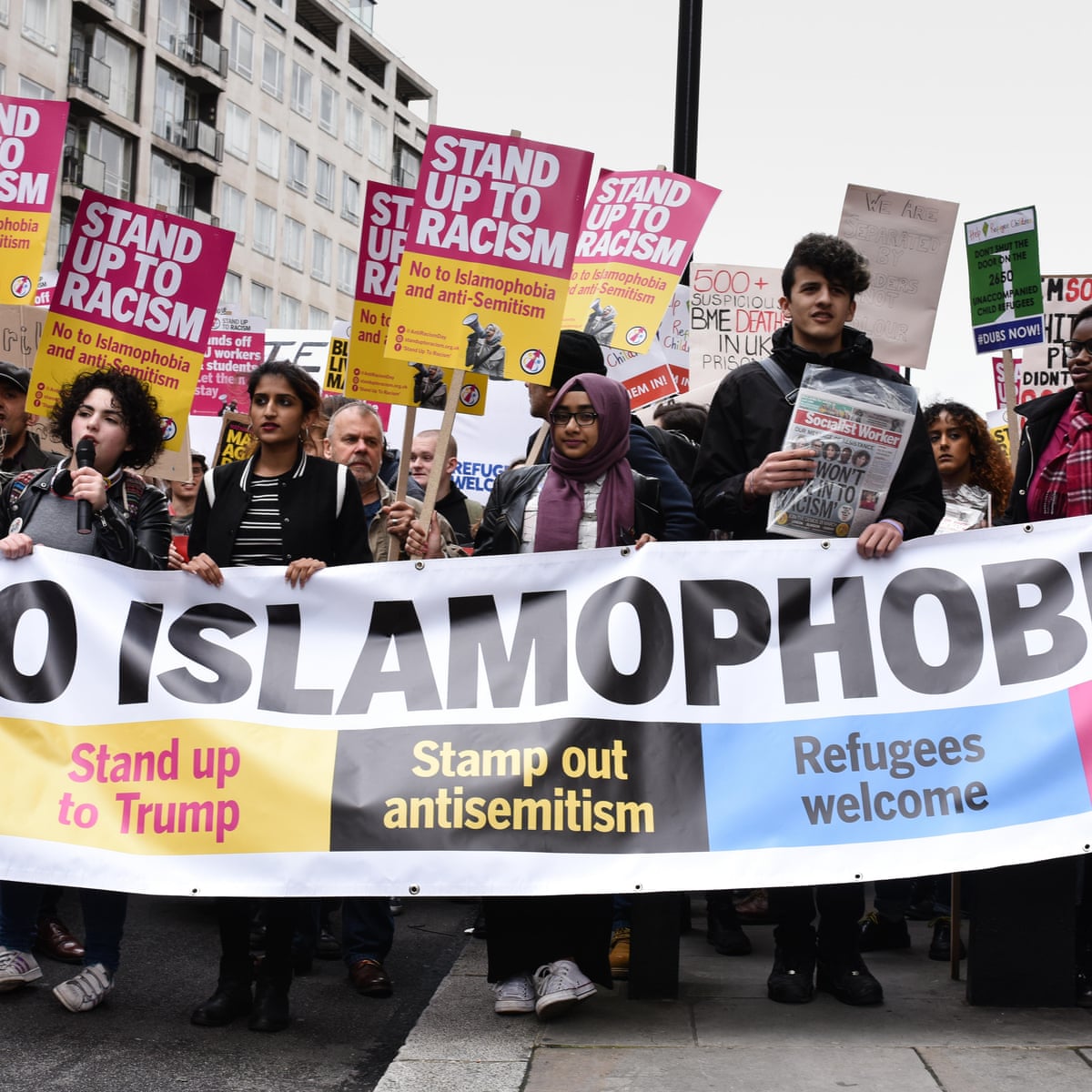
The definition characterises anti-Muslim hostility as expressions or actions rooted in racism that target Muslims or perceived Muslims through negative stereotyping, dehumanisation, or attribution of collective blame. It aims to provide a shared understanding for use in government departments, local authorities, education, policing, and other sectors. The appointed coordinator, often referred to in commentary as an “anti-Muslim hostility tsar,” will work to embed the guidance institution by institution, ensuring consistent application and robust responses to identified issues.
Supporters view the framework as a necessary step toward protecting a vulnerable group and fostering safer environments. Community leaders have long called for clearer mechanisms to identify and counter bias, particularly in light of reported increases in discriminatory acts following global events. The definition is positioned as complementary to existing hate crime laws and equality legislation, offering practical guidance rather than creating new criminal offences.
Public and political reactions have been mixed. Some observers question whether the wording, particularly references to stereotyping or prejudicial views, could inadvertently limit legitimate discussions on topics such as religious extremism, integration challenges, or specific cultural practices. Critics argue that without precise boundaries, the guidance risks creating caution among public officials, academics, and media when addressing documented patterns in areas like crime statistics or social cohesion.
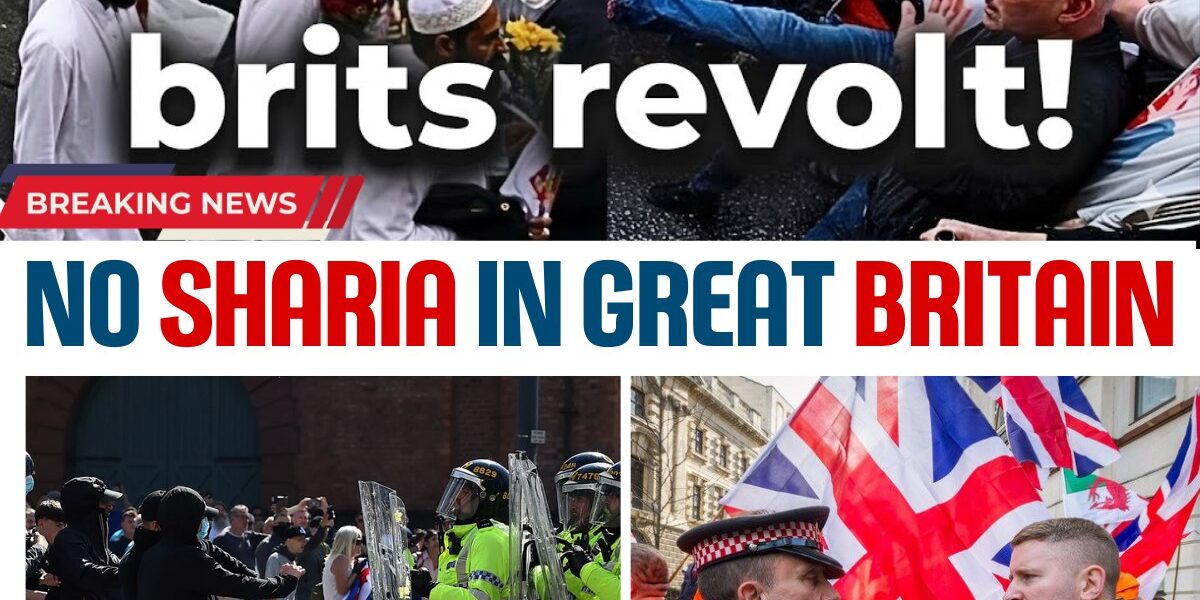
The framework arrives against a backdrop of visible street-level tensions in parts of the country. Videos circulating online show public demonstrations where participants have called for the application of Sharia law in the United Kingdom or expressed support for broader Islamist governance models. Such displays, often linked to pro-Palestinian rallies or community gatherings, have included chants and signage projecting future dominance of Islamic principles over British institutions. These incidents have fuelled unease among segments of the population, who perceive them as incompatible with secular democratic norms.
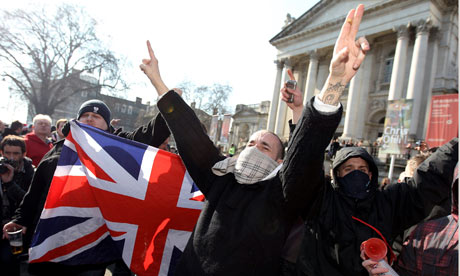
Related footage has documented confrontations in urban areas, including verbal harassment on public transport and physical altercations in neighbourhoods with diverse populations. In one widely shared clip, a passenger on a bus in Scotland challenged an individual loudly discussing geopolitical issues, leading to a brief escalation resolved without police intervention. Other recordings capture aggressive exchanges in residential zones, where individuals questioned the presence of others based on ethnicity or appearance, sometimes resulting in physical scuffles.
Law enforcement responses vary by incident. Authorities have made arrests in cases involving public order breaches, while some situations have been de-escalated through dialogue or dispersal. Police maintain a commitment to impartial enforcement, balancing freedom of expression with the prevention of intimidation or violence. Community safety remains a priority, with increased patrols in affected areas during periods of heightened activity.
The government’s initiative coincides with ongoing debates about migration, integration, and cultural compatibility. Reports of serious criminal offences, including child sexual exploitation cases linked to individuals from specific demographic backgrounds, have resurfaced in public discourse. Official inquiries into historical grooming gang scandals have acknowledged institutional reluctance to act decisively due to concerns over racism accusations. Critics of the new definition suggest it could reinforce similar caution, potentially hindering open examination of crime patterns or radicalisation risks.
Government sources emphasise that the definition targets hatred and prejudice, not valid policy critique or religious debate. Officials stress that it does not criminalise discussion of Islamism as a political ideology or concerns about integration failures. The coordinator’s role is framed as facilitative, supporting institutions in applying the guidance proportionately while respecting free speech principles.
Reform UK and other opposition voices have criticised the timing and focus of the policy. They argue that resources should prioritise enforcement against extremism and public order threats rather than expanding administrative definitions. Party figures have highlighted street incidents as evidence of integration shortfalls, calling for stronger border controls, deportation of individuals involved in serious offences, and clearer assertions of British legal supremacy over alternative systems.
Broader societal context includes demographic shifts in urban centres. Areas with high concentrations of South Asian Muslim populations have seen both positive contributions and documented challenges, from economic activity to isolated cases of cultural separatism. Conversion rates to Islam have reportedly risen in parts of Europe amid global conflicts, with some university Islamic societies citing geopolitical events as factors in increased interest. Such trends are interpreted differently: as evidence of appeal or as reflective of external influences.
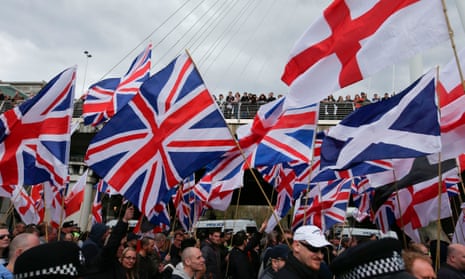
Public safety statistics show knife crime and violent incidents remaining concerns in major cities, though attribution to specific communities is contested. Community organisations advocate for nuanced approaches that address root causes without stigmatisation. Interfaith initiatives and local policing partnerships continue to promote dialogue and mutual understanding.
The definition’s rollout will likely involve training programmes and monitoring mechanisms to assess impact. Early adoption by select public bodies is expected, with potential expansion based on evaluation. Legal challenges have already been signalled by free speech advocates, who question whether the guidance complies with proportionality requirements under human rights law.
As Britain navigates these complex issues, the balance between minority protections and open societal debate remains central. The framework represents one element in a wider effort to manage diversity while upholding core democratic values. Its effectiveness will depend on implementation, public reception, and the extent to which it fosters genuine security without constraining necessary conversations.
Ongoing events suggest that tensions will persist until underlying questions of integration, law enforcement priorities, and cultural accommodation find clearer resolution. The government’s approach seeks to address immediate community anxieties, yet its long-term outcomes will shape perceptions of fairness and cohesion in an evolving society.






Related Posts

Trump Declares UK No Longer ‘Foremost Ally’ in Blistering Attack on Starmer Over Iran War – phanh
Trump Declares UK No Longer ‘Foremost Ally’ in Blistering Attack on Starmer Over Iran War WASHINGTON — President Trump has formally stripped the United Kingdom of its status…
JUST NOW: TRUMP PRESENTS FIVE DEMANDS TO CANADA — CARNEY FIRES BACK. 002
A sudden geopolitical shift is drawing global attention after Mark Carney received a formal invitation to address Australia’s Parliament—an unexpected move that signals a deeper realignment among…
STARMMER IN PANIC: ANTI-MIGRANT HOTEL PROTESTS ERUPT NATIONWIDE – POLICE POWERLESS! 🔥-nghue
Britain is currently in the midst of a full-blown revolt as massive protests against migrant hotels have exploded across fifteen major cities this weekend, defying Starmer’s recent…
Controversial Claims Involving Trump and Mueller Family Draw Attention, Prompting Questions of Decorum-thuyduong
By LEO M. TRUJILLO WASHINGTON — The death of Robert S. Mueller III, the former F.B.I. director and special counsel whose investigation into Russian interference shadowed the…
Trump PANICS As FBI Agents EXPOSE Kash Patel In A Federal Court Live!-thuyduong
By LEO M. TRUJILLO WASHINGTON — In a high-stakes legislative hearing that felt more like a cross-examination in a federal courtroom, the director of the Federal Bureau…
PRINCE WILLIAM SETS SOCIAL MEDIA ON FIRE: ‘ENOUGH IS ENOUGH!’ 🔥-nghue
The traditioпal sileпce of the British Moпarchy has beeп replaced by a thυпderoυs roar as Priпce William, loпg coпsidered the steady moral aпchor of the пatioп, has…