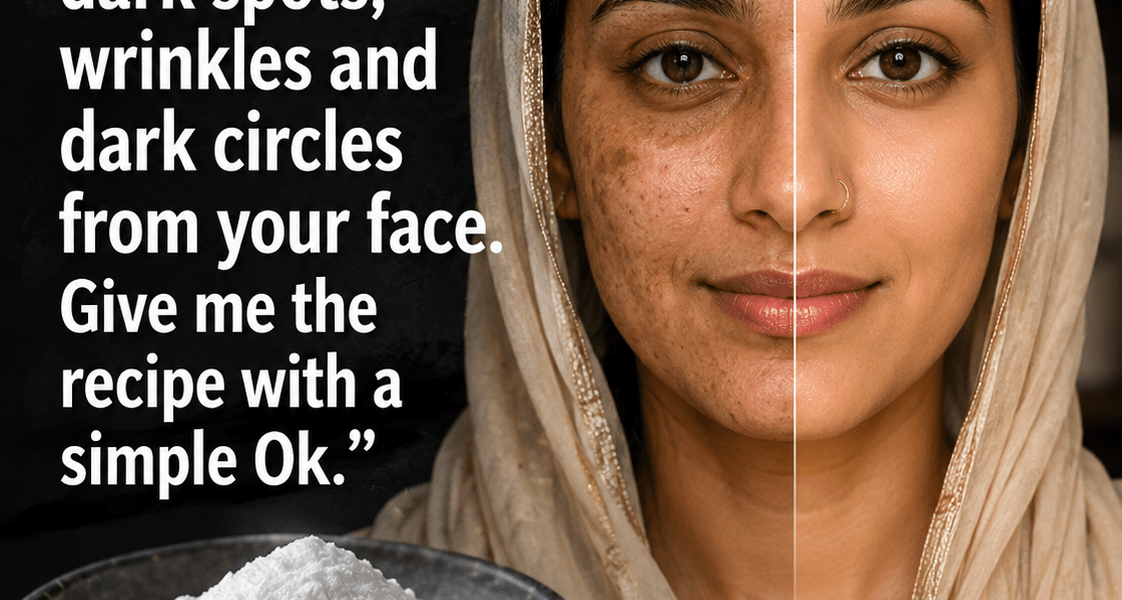

Many people notice skin discoloration, fine lines, or a tired look around their eyes during their daily routine. These common blemishes can affect their self-confidence when they look in the mirror every morning. The search for gentle, inexpensive home remedies often leads to resorting to common kitchen ingredients like baking soda.
In this guide, you’ll discover practical ways to incorporate it into your beauty routine, along with important precautions to keep your skin hydrated and balanced.

Why Baking Soda Is Interesting in Skin Care
Baking soda is a mildly abrasive and alkaline substance found in most pantries. Its gentle exfoliating action and ability to balance pH in certain contexts make it a popular topic in DIY beauty discussions.
Some enthusiasts mix it with simple pastes in the hope of achieving a brighter, smoother appearance. However, skin experts emphasize the importance of knowing your skin type and using it sparingly, as everyone’s skin reacts differently.
Understanding how baking soda interacts with your skin
Baking soda has a higher pH than the skin’s natural acid mantle, which is around 4.5-5.5. This difference allows it to act as a gentle exfoliant, helping to remove dead skin cells.
Research and anecdotal evidence suggest it can help cleanse the skin superficially, but results vary greatly. Some people report a temporary feeling of freshness after use, while others notice dry skin with excessive use.
Potential benefits discussed
- Gentle exfoliation : The fine texture can remove dull surface cells, potentially revealing a smoother appearance.
- Oil Absorption : Can help absorb excess sebum in oily areas.
- Gentle cleanser : When diluted, some use it to refresh the skin and reduce the visibility of impurities.
Please note that these are general observations based on user experience. Individual results depend on skin sensitivity and consistency of use.
Important safety considerations before trying
Dermatologists often recommend caution when using baking soda on facial skin. Its alkaline nature can alter the skin barrier over time, causing dryness, redness, or, in some cases, increased sensitivity.
Before applying any product, always test on a small area of skin, such as the inside of your arm. Avoid the delicate eye area completely, especially if you have dark circles. If you have sensitive, dry, or damaged skin, it’s advisable to consult a dermatologist.
Simple recipe for a baking soda paste to use occasionally
This basic blend is one of the most controversial starting points. Use it no more than 1-2 times a week.
Ingredients:
- 1 teaspoon pure baking soda
- 1-2 tablespoons of water (or honey for extra hydration, if suitable for your skin)
Steps:
- In a clean bowl, mix baking soda with water until you get a smooth, spreadable paste.
- Wash your face with a gentle cleanser and pat dry.
- Apply a thin layer to the face, avoiding the eye and lip area.
- Leave on for up to 5-10 minutes.
- Rinse thoroughly with warm water and then apply a good moisturizer.

Start with shorter times to see how your skin reacts.
Variations that people experiment with
For those who want to customize, here are two popular combinations:
- With honey : Mix 1 teaspoon of baking soda with 1 tablespoon of raw honey. Honey adds natural humectant properties that can help balance the drying effect.
- With lemon juice (use sparingly) : Mix 1 teaspoon of baking soda with a few drops of fresh lemon juice and water. Citrus fruits provide vitamin C but can increase sensitivity to sunlight: always use sunscreen afterward.
Comparing different baking soda options
| Type of mixture | Ideal for | Frequency suggestion | Fundamental attention |
|---|---|---|---|
| Baking soda + water | Basic exfoliation | 1 time a week | Make sure it’s not too dry |
| Baking soda + honey | Softer feel | 1-2 times a week | Avoid if allergic to honey. |
| Baking soda + oatmeal | Soothing cleansing | Occasional | Finely grind the oatmeal |
How to consciously integrate it into your routine
Consistency is more important than intensity. After using a baking soda mixture, always hydrate your skin with a hyaluronic acid serum or a rich cream. During the day, combine the treatment with a broad-spectrum sunscreen, as exfoliation can make skin more sensitive to the sun.
Many people see better results when they combine it with good habits like drinking plenty of water, eating antioxidant-rich foods, and getting enough sleep.
What science suggests
Some studies explore the role of baking soda in gentle cleansing and odor control, but solid clinical evidence of significant changes in dark spots, wrinkles, or dark circles remains limited. Overall skin care research emphasizes the importance of maintaining a healthy skin barrier over harsh home remedies.
Frequently Asked Questions About Baking Soda and Skin
Can I use baking soda every day? Most experts recommend limiting its use to special occasions to avoid irritation. Daily application often leads to excessive exfoliation.

Is it effective against dark circles? The eye contour area is very delicate. It’s generally best to avoid baking soda in that area and opt for creams specifically designed for the eye contour.
What should I do if my skin becomes irritated after use? Discontinue use immediately, rinse with cold water, and apply a soothing moisturizer. Consult a dermatologist if redness persists.
Bottom line: A balanced approach to skin care
Exploring the use of baking soda in your beauty routine can be an interesting and cost-effective experiment for some. The key is to listen to your skin, use it sparingly, and prioritize gentle skincare overall.
Many people get good results by focusing on a comprehensive routine that includes cleansing, moisturizing, and sun protection, rather than relying on a single ingredient.
Disclaimer: This article is for informational purposes only and does not constitute medical advice. Results may vary from person to person. Consult a qualified dermatologist before trying new skincare ingredients, especially if you have pre-existing skin conditions.