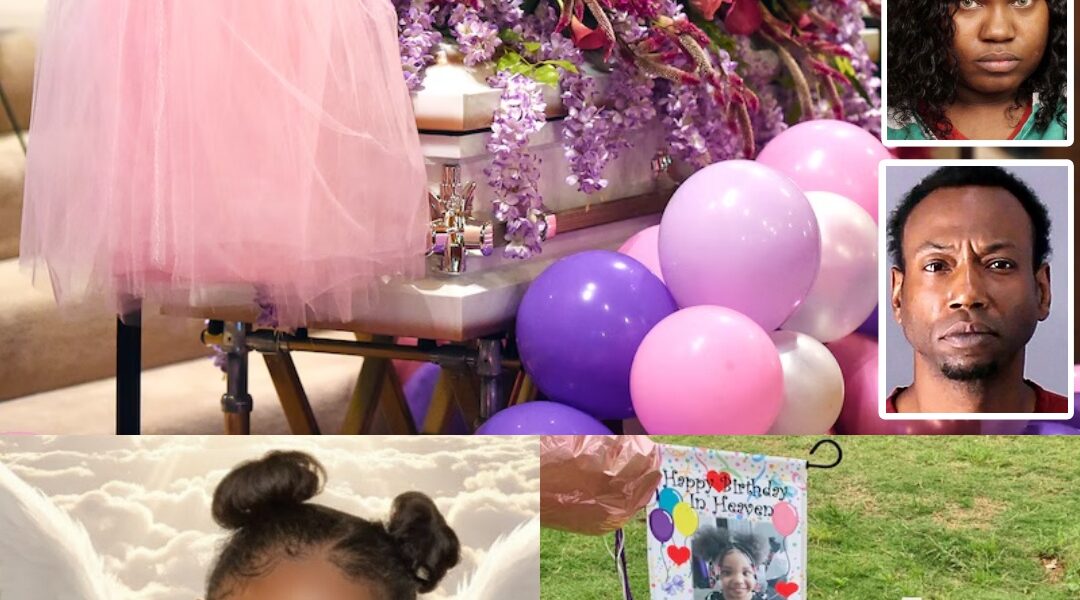

Kamille “Cupcake” McKinney disappeared on a day that was supposed to be sweet.
A birthday party filled the air with laughter, music, and the careless joy of children running free.
No one noticed the exact second when innocence slipped out of sight.
She was just three years old, small enough to still believe the world was mostly kind.
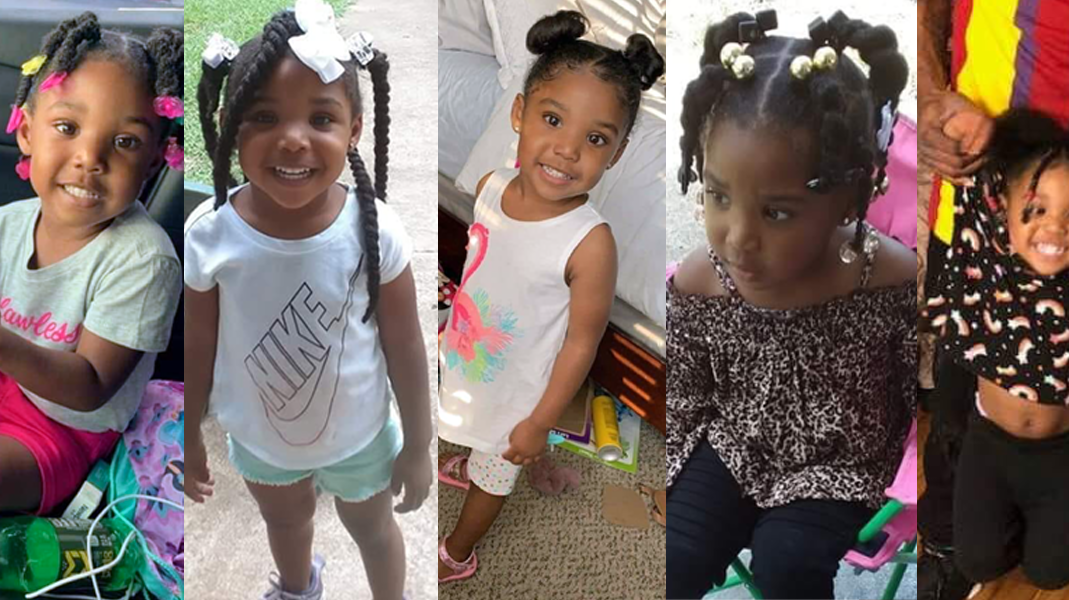
Her nickname, Cupcake, clung to her like frosting—soft, bright, and impossible to forget.
That afternoon, she wore the freedom of a child who had never learned fear.
The housing complex buzzed with ordinary life.
Adults talked in loose circles while children darted between legs, inventing games that didn’t need rules.
Kamille played near the edge of the gathering, close enough to be seen, far enough to feel independent.
Video cameras watched quietly from their fixed angles.
They captured two small children playing, one of them Kamille, moving in and out of frame.
It looked harmless, forgettable, the kind of footage no one expects to matter.
Then two men walked past.
One slowed, turned his head, and appeared to speak to the children.
In that moment—brief, unremarkable to the naked eye—a life was stolen.
No screams cut through the party.
No sudden panic rippled through the crowd.
Kamille simply wasn’t there anymore.
At first, adults assumed she had wandered to another corner of the complex.
Someone called her name, smiling, not yet afraid.
Cupcake, they said, expecting her to pop back into view.
Minutes stretched longer than they should have.
The smile faded, replaced by a tight knot of unease.
Her name was called again, louder this time.
When panic finally arrived, it came fast and hard.
Phones were pulled out, doors knocked on, bushes checked.
A birthday party collapsed into confusion and fear.
Police were called, and the first reports went out.
A three-year-old girl missing from a birthday party.
The words felt unreal even as they were spoken.
That night, Birmingham held its breath.
Amber alerts lit up phones, slicing through dinners and sleep.
A city was suddenly looking for a child with a sweet nickname and a missing smile.
Search teams formed quickly.
Officers, volunteers, neighbors—anyone who could walk or look or pray joined in.
Every trash bin, every stairwell, every dark corner became a place of desperate hope.
Her picture spread across screens and streets.
Big eyes, a shy smile, hair carefully styled by someone who loved her.
Strangers began to feel like they knew her.
Days passed, heavy and slow.
Each sunrise arrived with the same question and no answer.
Where is Cupcake?
The search grew larger, more urgent.
Helicopters hovered, dogs tracked scents, officers followed leads that dissolved into nothing.
Hope flickered, dimmed, then flared again with every tip.
Parents held their own children closer.
Playgrounds felt different, quieter, edged with fear.
Kamille’s absence echoed far beyond the housing complex.
Behind the scenes, investigators reviewed footage frame by frame.
The two men seen near the children became more than background figures.
They became shadows with faces.

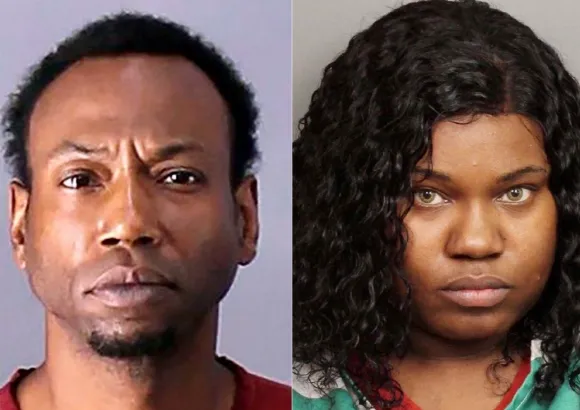
Derick Brown and Patrick Stallworth were brought into focus.
They were not family, not neighbors, not part of Kamille’s world.
Officials believed they had seen opportunity where no opportunity should ever exist.
As the days stretched toward ten, the search took a darker turn.
Landfills entered the conversation, a word no one wanted to hear.
Hope and dread tangled together, impossible to separate.
In Jefferson County, a landfill became a place of quiet horror.
Law enforcement began the painstaking work of sifting through mountains of garbage.
Twelve tons at a time, they searched for a child who should have been at home.

Workers moved slowly, deliberately.
Every bag was opened, every piece examined.
Time felt cruel, measured in shovels and gloves.
On the tenth day, the search ended.
Not with cheers or relief, but with a silence that seemed to swallow sound itself.
Kamille McKinney was found.
Her body was discovered in a dumpster, then recovered from the landfill.
The details were devastating, impossible to soften.
A little girl had been treated like refuse.
News spread quickly, brutally.
The hope that had kept people searching collapsed into grief.
Cupcake was gone.
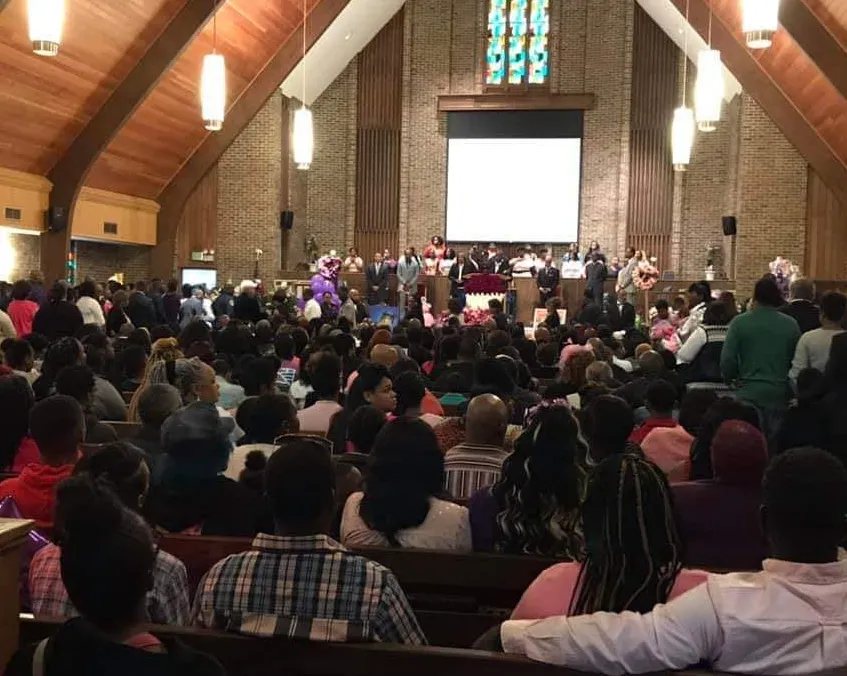
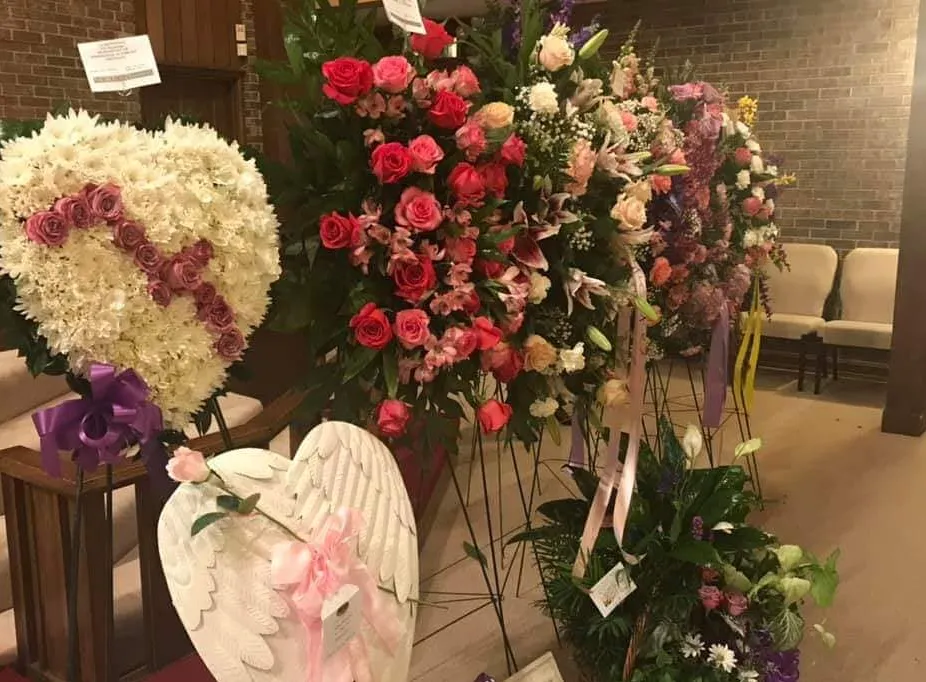
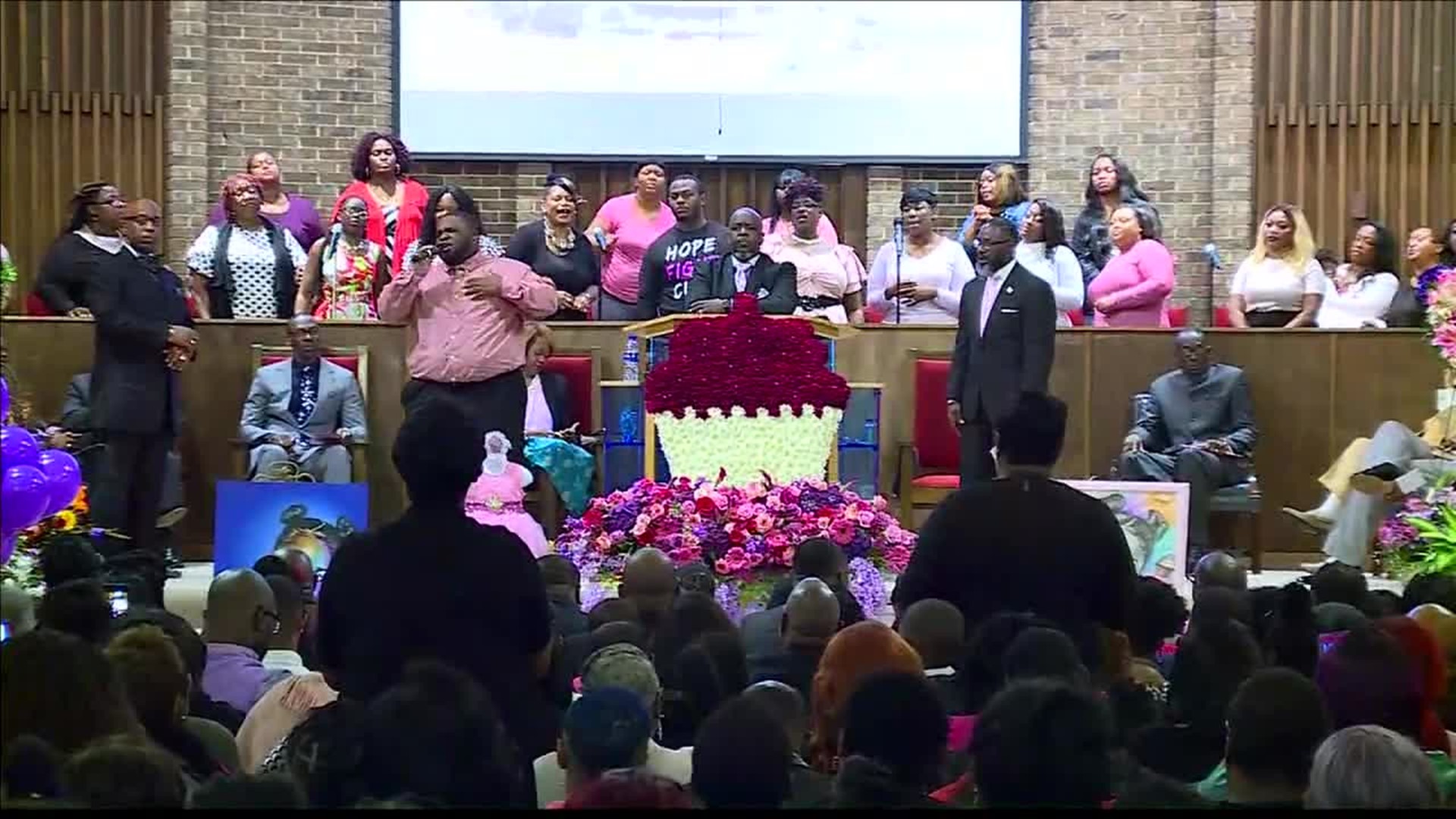
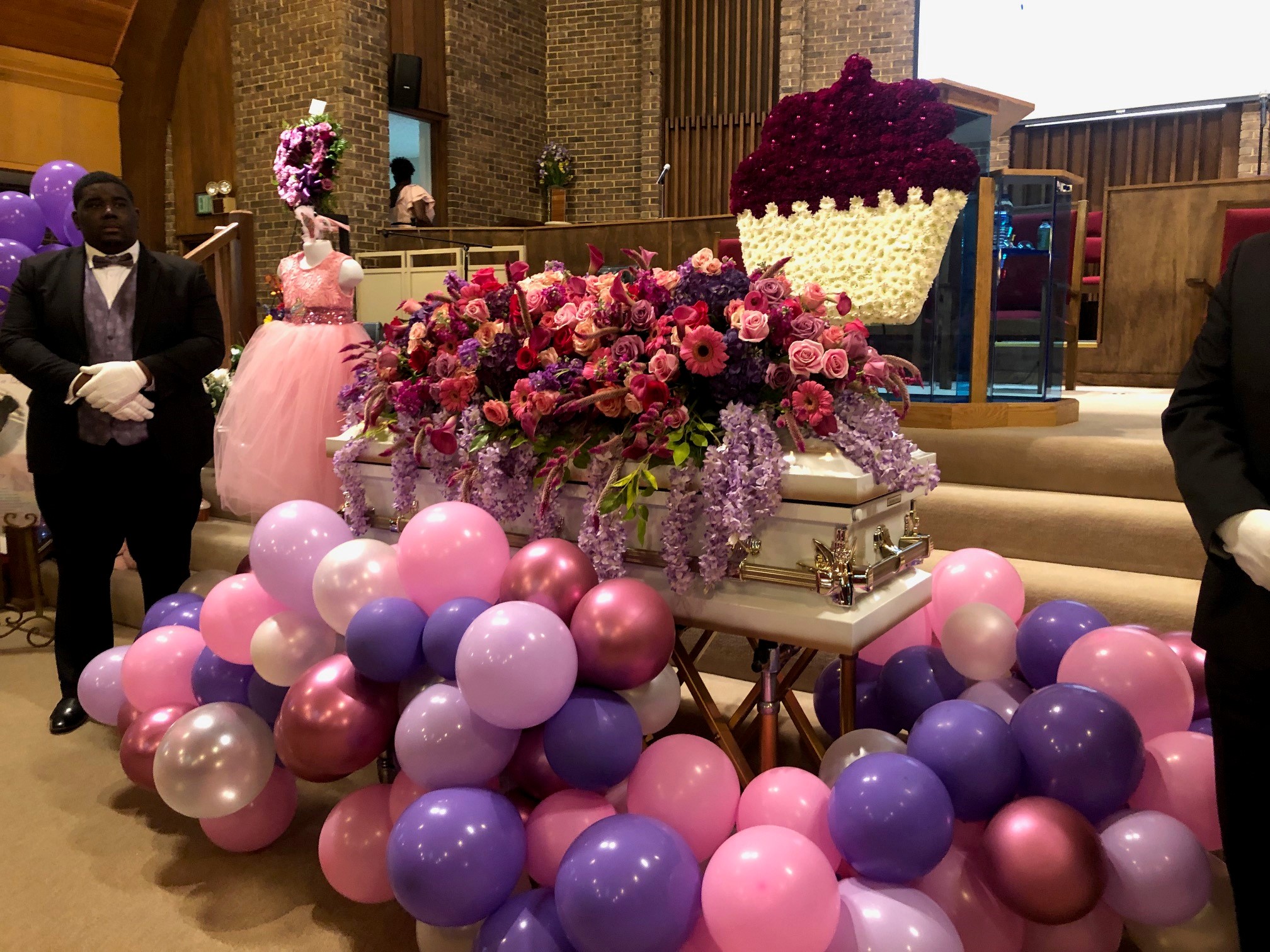
Candlelight vigils replaced search grids.
Flowers and stuffed animals piled up, trembling in the night air.
A city mourned a child it could not save.
Prosecutors moved forward with charges.
Kidnapping.
Capital murder.
Patrick Stallworth’s name carried an added weight.
He had previously been out on bond for child pornography charges in an unrelated case.
The system’s failures pressed heavily on every conversation.
People asked the same questions over and over.
How did this happen?
How was he free?
In court documents and press conferences, facts replaced hope.
Timelines, surveillance stills, landfill searches.
None of it brought her back.
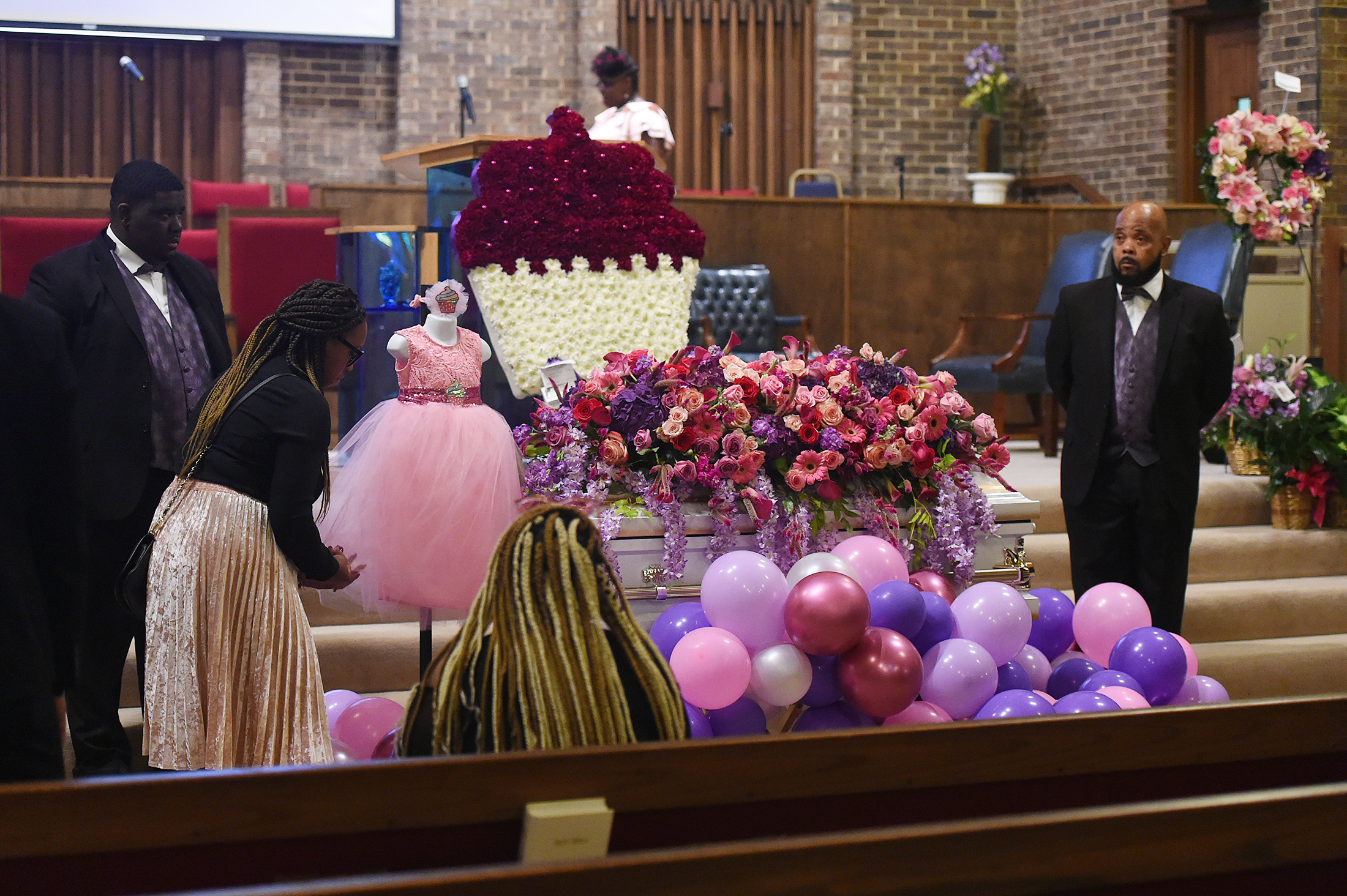
Kamille’s family faced a grief that had no language.
A child lost, a future erased.
Birthdays would never sound the same again.
Her nickname, Cupcake, became a symbol.
Sweetness met with cruelty.
Innocence crushed by deliberate harm.
The birthday party where she vanished lived on in memory.
Music still echoed in people’s minds, now distorted by regret.
Everyone wondered what they missed.

Parents replayed the footage in their heads.
Two men walking past.
A pause that should have meant nothing and meant everything.
The case rippled far beyond Birmingham.
Across the country, people followed the story, hearts heavy.
Another child taken, another lesson written in pain.
Kamille’s life was short, but it mattered.
It mattered to her family, her community, and strangers who never met her.
Her name will always carry a question mark and a plea.

There is no clean ending to a story like this.
Justice may come in courtrooms, measured in sentences and years.
But justice will never feel complete.
What remains is memory.
A three-year-old girl playing at a birthday party.
A nickname that still sounds like something sweet.
Cupcake should have grown up.
She should have blown out candles, scraped knees, learned to read.
Instead, she became a reminder.

A reminder that vigilance matters.
That systems must protect the smallest among us.
That evil often looks ordinary until it’s too late.
Kamille “Cupcake” McKinney will not be forgotten.
Her story is written now into the conscience of a city.
And into the hearts of those who wish, desperately, that the ending had been different.
Four Lives Lost on Highway 299: A Choice That Can Never Be Undone.6430
Saturday evening began like countless others along Highway 299.
Cars moved steadily through Trinity County, framed by mountains and fading daylight.
Nothing about the road suggested it would soon become the site of irreversible loss.
At approximately 6:50 p.m., the California Highway Patrol received a call that would change everything.
A head-on collision had been reported west of Big Bar.
Two vehicles were involved, and the damage was catastrophic.
Responding officers from the Trinity River area arrived to a scene that felt unreal.
A Jeep Grand Cherokee sat damaged and still.
Across from it, a red Chevrolet Impala bore the unmistakable marks of violent impact.
Investigators later said the Jeep had been traveling westbound.
For reasons still under investigation, it crossed into the eastbound lane.
There, it collided head-on with the Impala.
Inside the Impala were five people.
Within moments, four of them were gone.
They were pronounced dead at the scene.
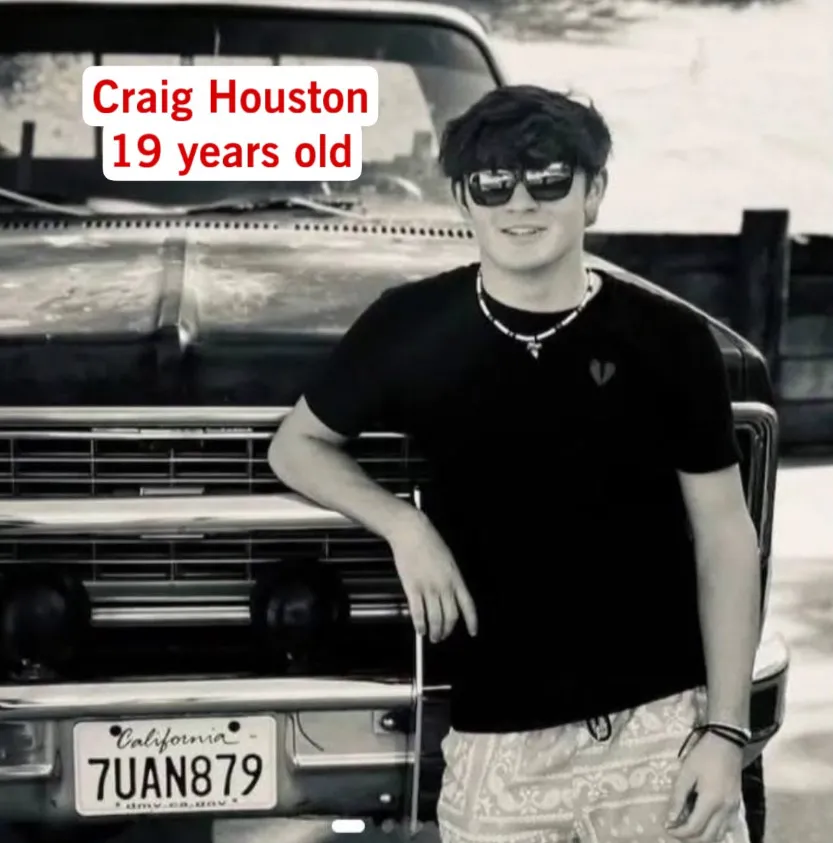
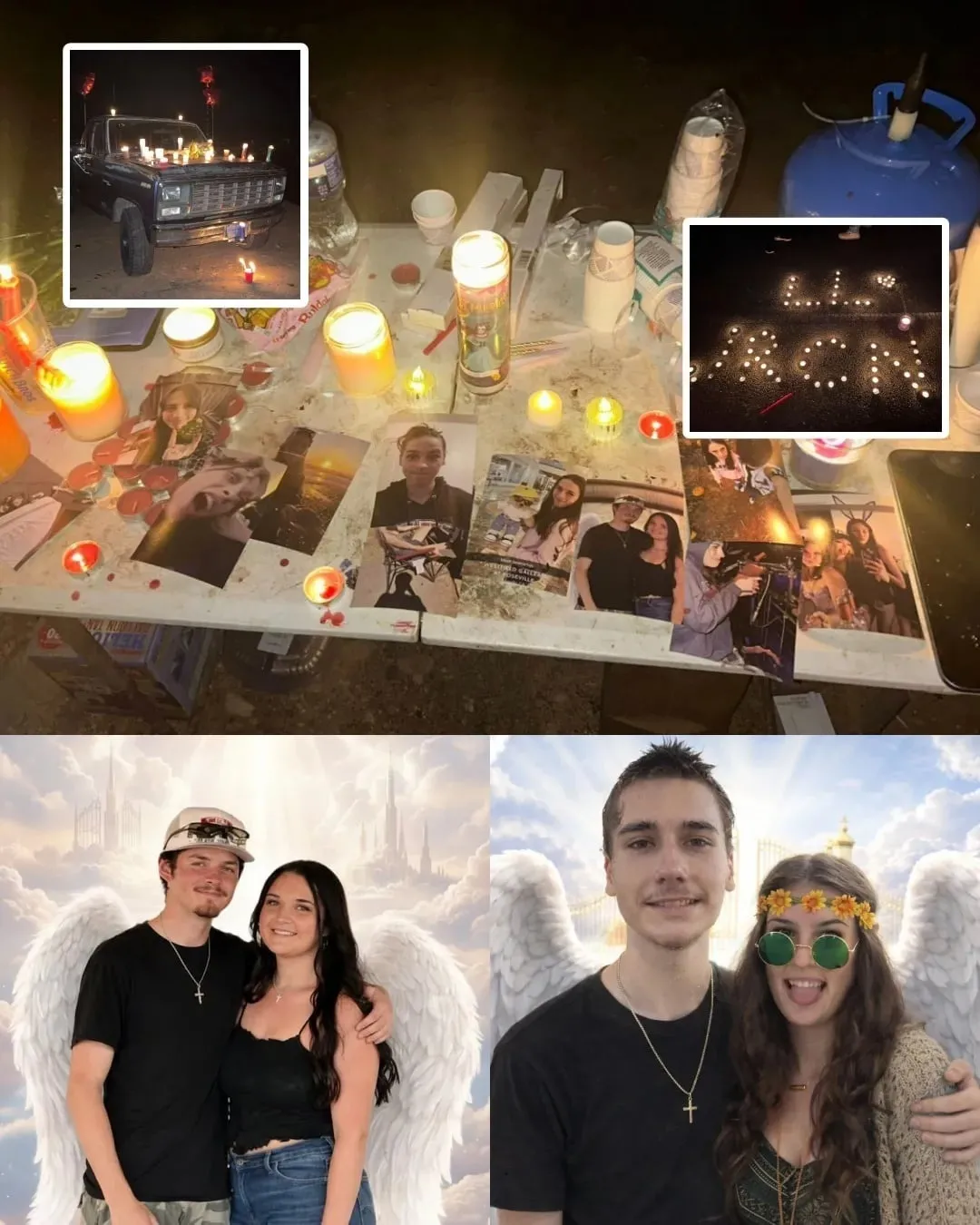
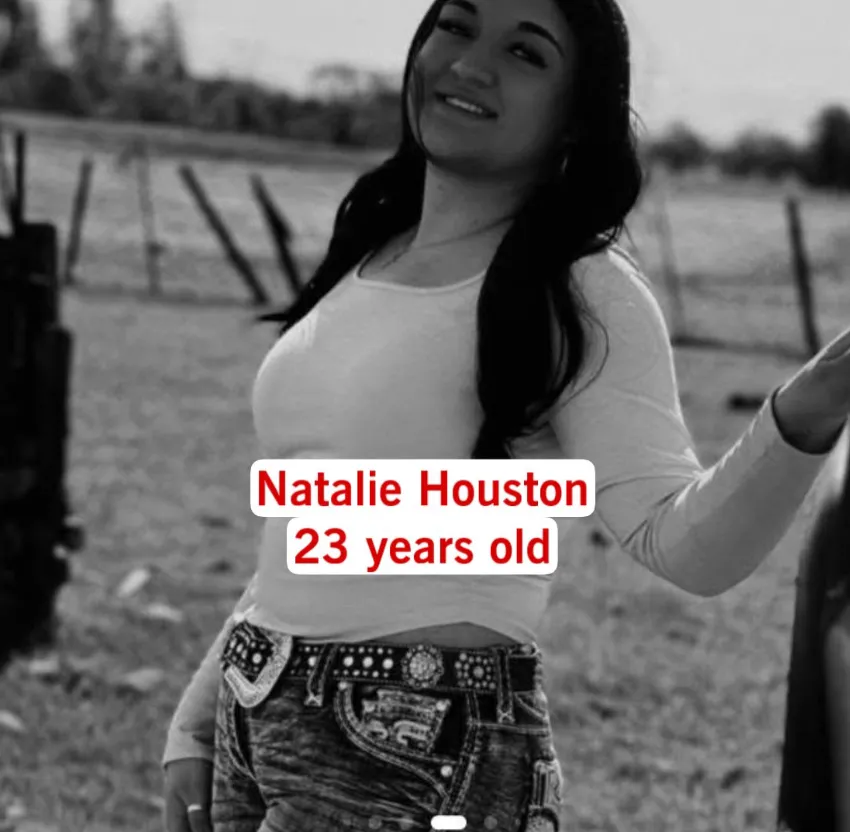
Among the victims were siblings Hunter Houston and Natalie Houston.
They had shared a lifetime of memories long before that final drive.
They would leave this world together, just as they had entered it—side by side.
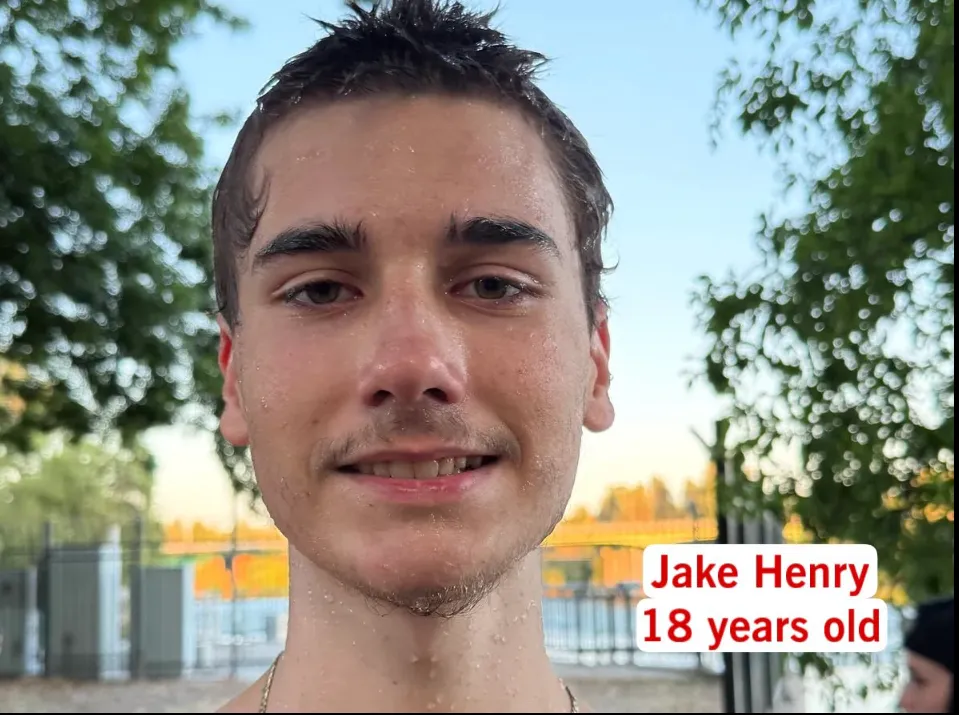
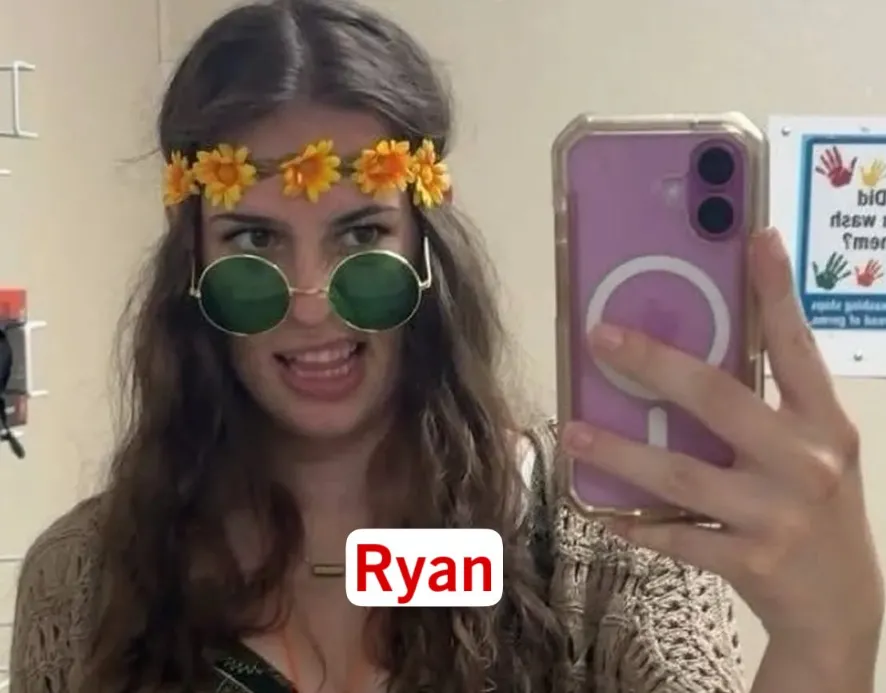
Also killed were Jake Henry and Ryan.
Friends whose lives were deeply intertwined with the Houston siblings.
Four young lives, erased in seconds by a decision they did not make.
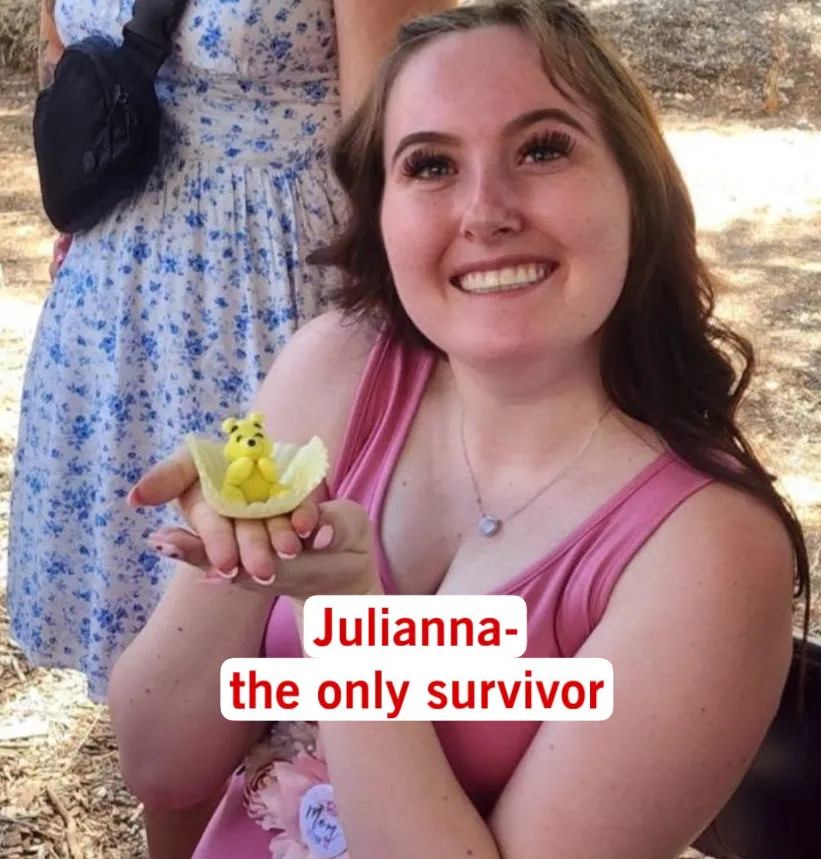
The fifth passenger survived, though survival came at a devastating cost.
Her name is Julianna, a young mother and close friend of the victims.
She suffered major injuries and would be airlifted to UC Davis Medical Center.
But before she was rescued, Julianna was trapped.
For more than an hour, she remained inside the wreckage of the Impala.
She was fully conscious.
She saw everything.
She heard everything.
She lived through something no human should ever have to endure.
As first responders worked to reach her, time moved painfully slow.
Metal had to be cut away piece by piece.
Each passing minute stretched trauma deeper into her memory.
She watched as the lives of her closest friends slipped beyond reach.
She could not help them.
She could not escape.
The driver of the Jeep Grand Cherokee also suffered serious injuries.
That driver survived the crash.
Four others did not.
Authorities have reported that the Jeep driver was intoxicated.
This has not yet been officially confirmed by law enforcement.
But the possibility alone hangs heavily over the scene.
If confirmed, it would mean the crash was not an accident.
It would mean it was preventable.
It would mean four people died because someone chose to drive drunk.
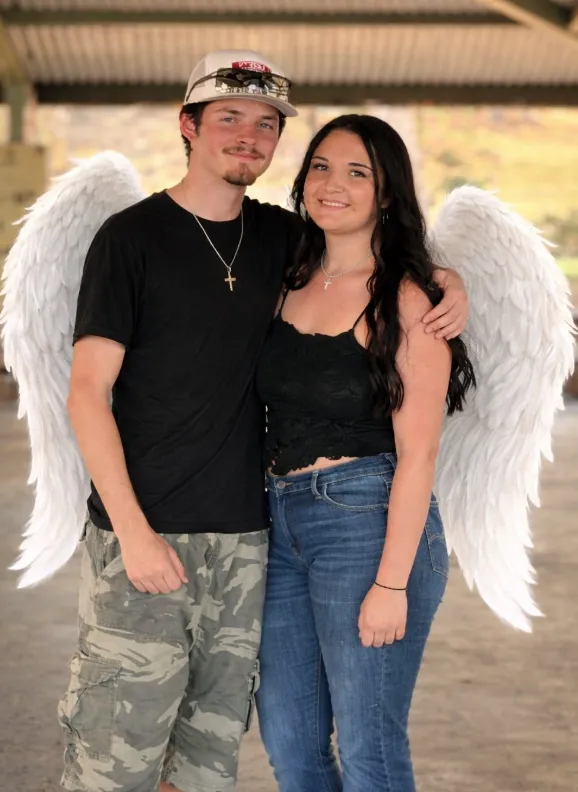
Highway 299 has seen tragedy before.
But for the families involved, statistics do not matter.
Only names matter now.
Hunter Houston was more than a victim.
He was a brother, a friend, a presence people counted on.
His life ended where it should have been protected.
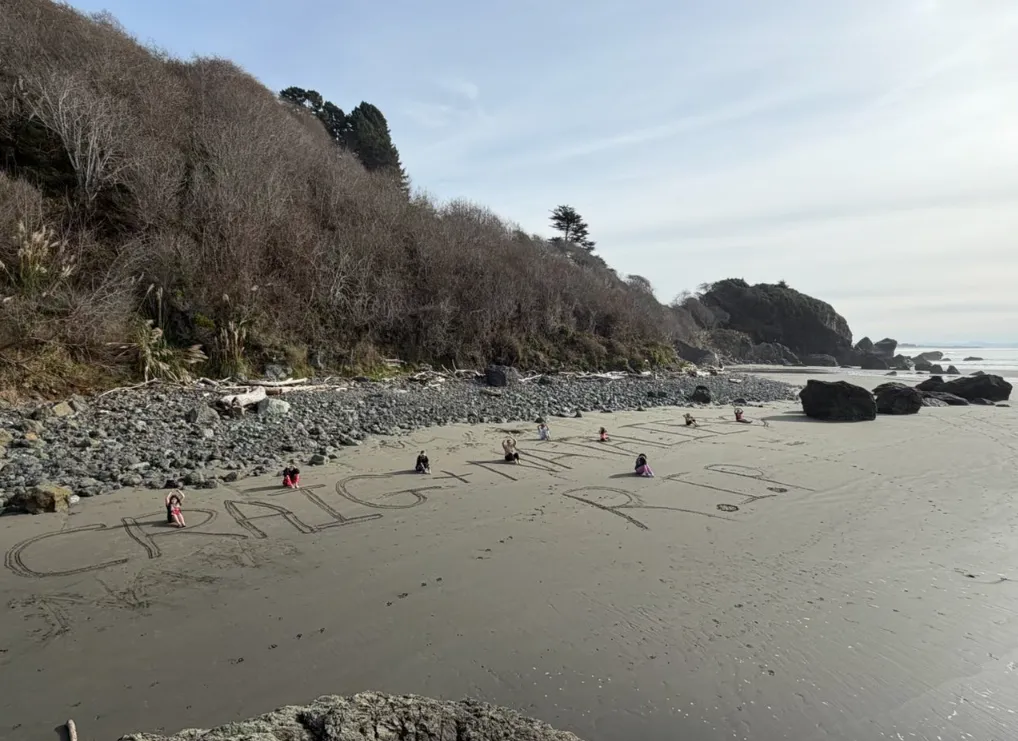
Natalie Houston was more than a headline.
She was a sister whose bond with Hunter was unbreakable.
That bond followed them into their final moments.
Jake Henry was someone’s reason to smile.
Ryan was someone’s safe place.
Their absence will echo in ways words cannot capture.

For the families, grief arrived all at once.
There was no time to prepare, no gradual unfolding.
Just a knock, a call, a sentence that shattered everything.

Communities often come together after tragedies like this.
But unity does not soften the pain of empty rooms and unanswered phones.
It simply reminds families they are not alone in their suffering.
For Julianna, healing will be long and complicated.
Her injuries may mend, but memory does not heal so easily.
She will carry that hour with her forever.
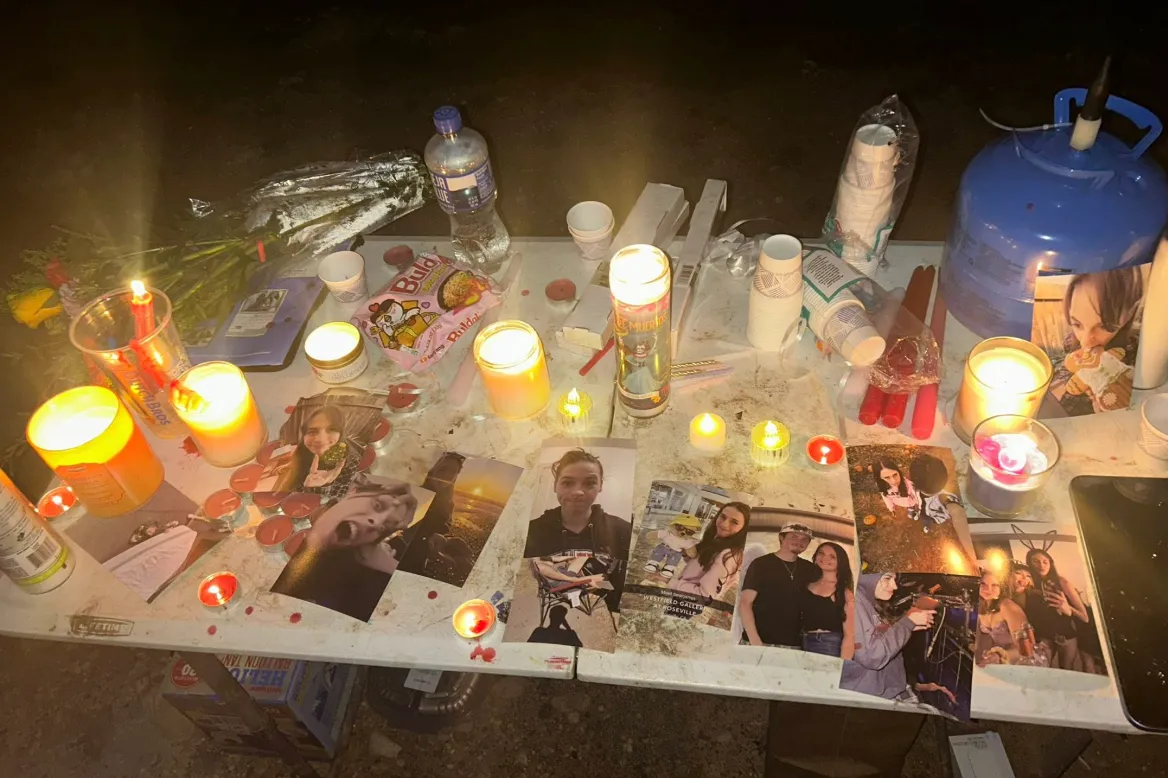
She will remember the sound of twisted metal.
The silence that followed voices she loved.
The moment she realized life had split into before and after.
Drunk driving is often described as a mistake.
But mistakes can be undone.
This cannot.
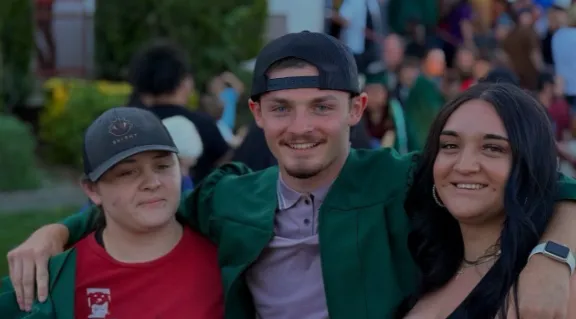
Every warning about drinking and driving exists because of nights like this.
Because of roads that turn into memorials.
Because of families who will never be whole again.
Investigators continue to ask for information.
Anyone with knowledge of the incident is urged to contact CHP.
Answers matter, even when they come too late.
Justice will move slowly.
Grief does not wait.
It arrives immediately and stays.
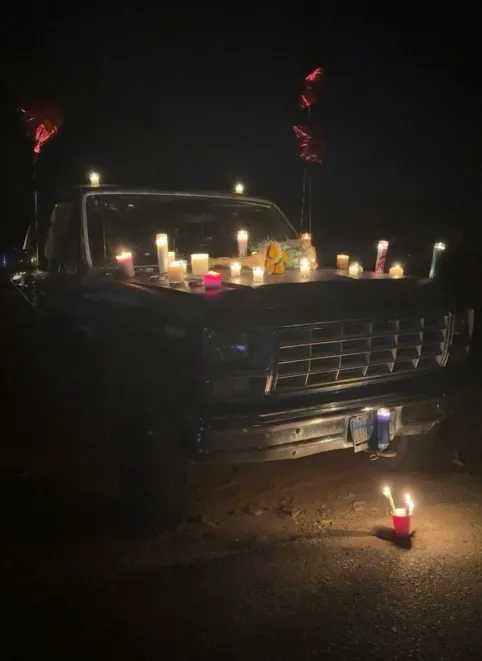
Highway 299 reopened after the wreckage was cleared.
Cars resumed passing through as if nothing had happened.
But for some families, that stretch of road will never be just a highway again.
It will be the last place they were together.
The last place hope existed.
The place where four futures ended.
This tragedy was not fate.
It was not unavoidable.
It was the result of a choice.
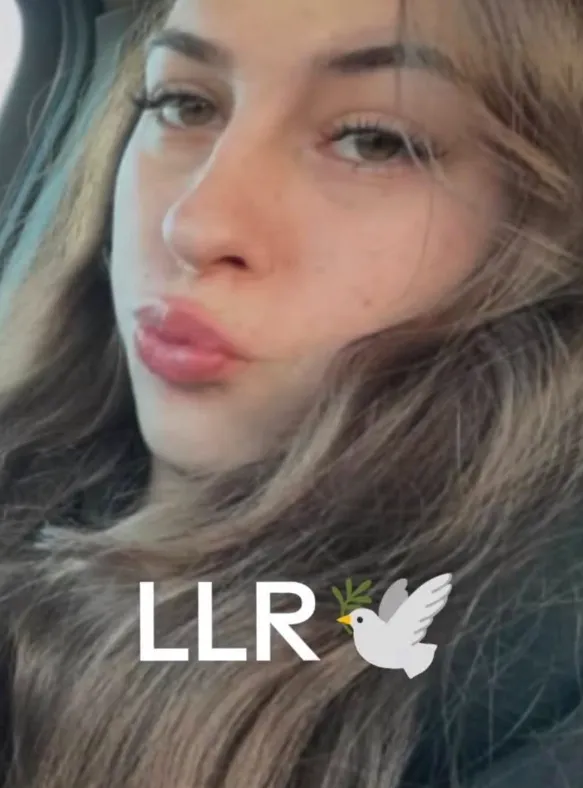
Four people are gone because one person crossed a line.
Not just a painted line on asphalt, but a moral one.
And once crossed, there was no return.
Hunter Houston.
Natalie Houston.
Jake Henry.
Ryan.
Their names deserve to be remembered.
Not as victims, but as lives that mattered.
Lives that should still be here.
And for Julianna, still fighting to heal,
the road ahead will be long and uneven.
But she carries their memory forward, because she survived.
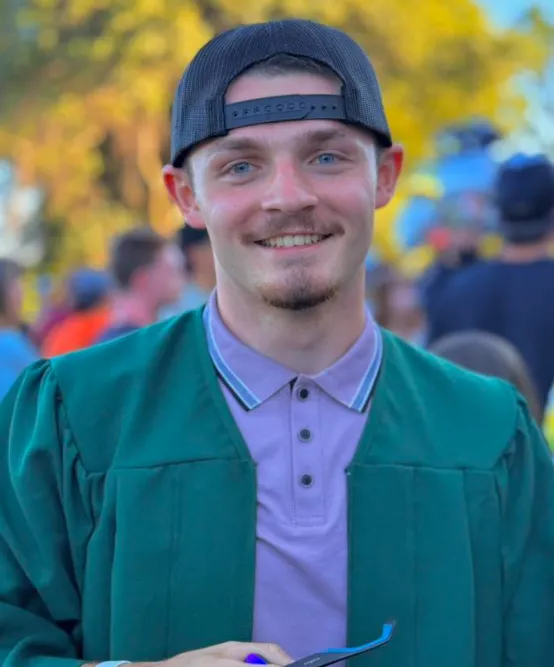
This story is not just about a crash.
It is about responsibility.
And the irreversible cost of ignoring it.