A Little-Known Day in Pawiak Prison: The Courage of Female Prisoners and the Later Post-War Fate of Former Female Guards _de506

NOTE REGARDING HISTORICAL CONTENT
This article deals with events from the period of the German occupation of Poland and serves solely for historical research , remembrance , and education . The text contains no explicit depictions.
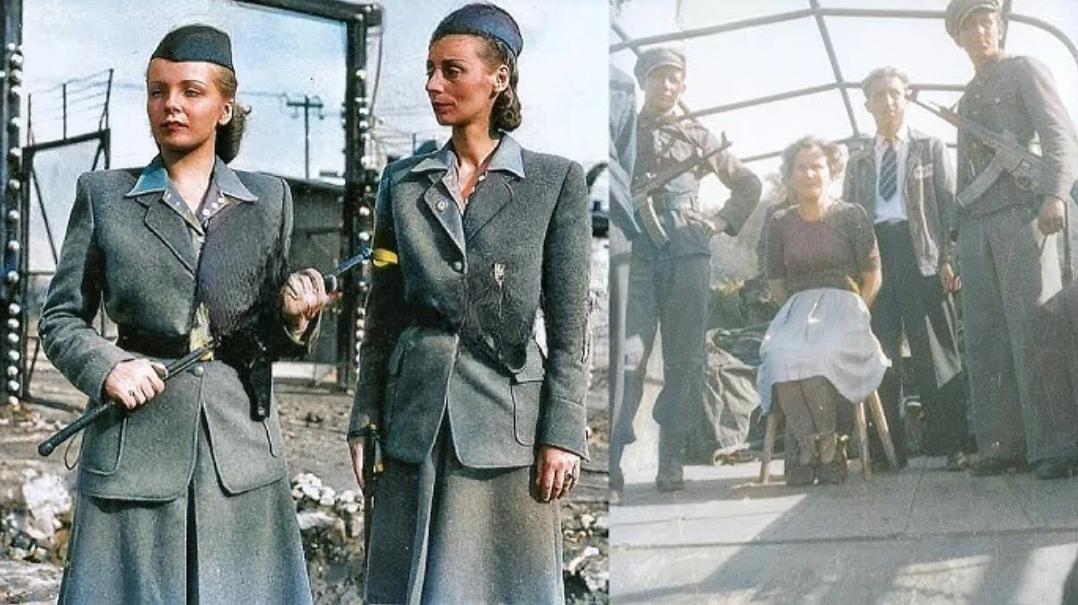
Pawiak prison under German occupation
Resistance, courage, and the historical context of subterranean judgments
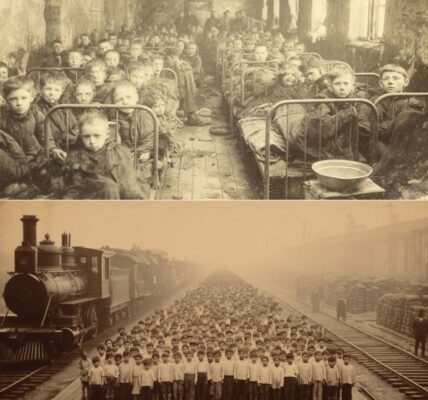
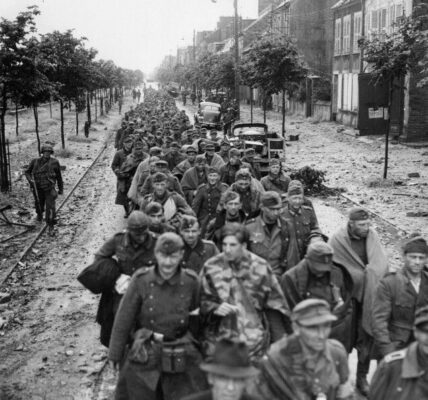
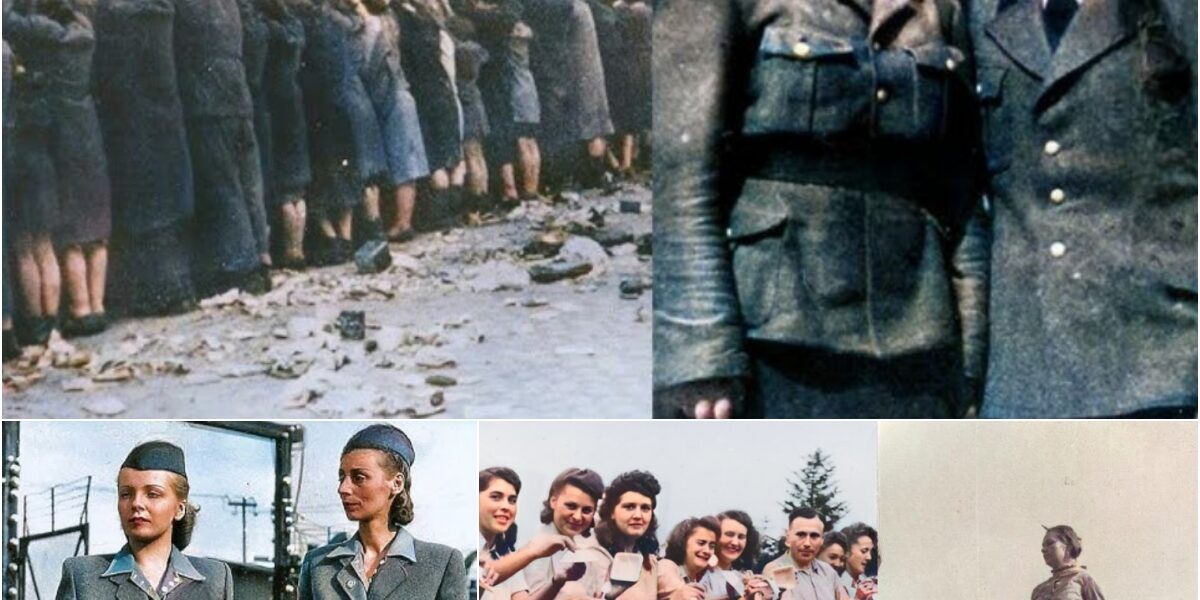
During the German occupation, Pawiak Prison in Warsaw became a central site of political persecution. It is estimated that around 100,000 people passed through the prison; many of them lost their lives there due to violence, disease, or inhumane conditions. The women’s section, known as “Serbia,” was considered particularly harsh.
Contemporary reports and later historical research document that several female guards and civilian employees of the occupation authorities were known for particularly brutal behavior. Despite the extreme conditions, some imprisoned women managed to secretly pass on information about individuals and procedures to the Polish resistance.

Underground justice and historical context
Between 1943 and 1944, the Polish Home Army (Armia Krajowa – AK) handed down sentences against individuals held responsible for serious crimes. These decisions were made in a context where regular legal systems were suspended and state institutions no longer existed.
The exact number of those affected and their identities can only be partially reconstructed today, as many documents were destroyed during the war. Historians interpret these events as an expression of an extreme state of emergency, not as a regular form of justice.
Destruction and Memory
Pawiak Prison was destroyed in 1944 during the Warsaw Uprising. Only parts of the original complex remain, including the entrance gate and fragments of the wall. Today, the Pawiak Prison Museum stands on this site , serving as a memorial to the victims.
The purpose of this post
This text does not pursue any sensationalist goals. Its purpose is:
-
Remembering the tens of thousands of victims of imprisonment, violence and oppression
-
To honor the courage of the imprisoned women who passed on information despite life-threatening circumstances
-
To contribute to a reflective examination of history , especially the moral dilemmas of occupation and resistance.
Remembrance does not mean justification, but rather responsibility towards the past.
Historical Sources
-
Pawiak Prison Museum, Warsaw
-
Regina Domańska: Pawiak – Chronik des Gestapo-Gefängnisses 1939–1944
-
Archives of the Polish Home Army, Warsaw

Related Posts
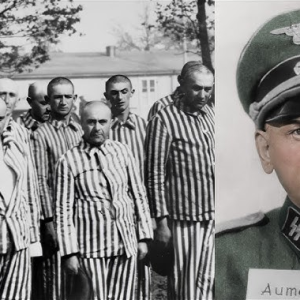
“THE DEPUTY: Inside the brutal regime of Hans Aumeier, the man who oversaw the crematoria and had 144 women executed in a single day.” _de105
In the dark annals of the Holocaust, few figures embody the cold machinery of genocide as much as Hans Aumeier. As deputy commandant of Auschwitz I, he was…
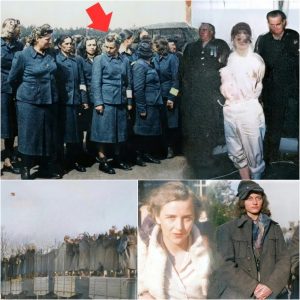
THE DAY THE “INFAMOUS WITCHES OF BELSEN” TREMBLED IN SILENCE: The Last, Icy Moment of Irma Grese and the Camp Butchers – She Only Gave Out One Scream Before Albert Pierrepoint Executed Justice _de103
EXTREMELY SENSITIVE CONTENT – ONLY FOR INDIVIDUALS 18 YEARS OLD AND OVER This article deals with the Belsen Trial and the execution of 11 camp inmates in 1945. The content is…

Historical context: the Waffen-SS and the treatment of prisoners during the Second World War _de1001
This article examines sensitive historical events of the Second World War for educational purposes, aiming to promote an understanding of the past and to highlight the importance of international humanitarian law. It…

Winter 1945: A rare moment in the chaos of war – German soldiers captured by the British 52nd Division in Höngen! _de121701
January 1945 marked one of the most critical phases in the final months of World War II in Western Europe. In many regions along the German-Dutch border, the war was…

HIS OWN PIANO HANGED HIM: The terrible fate of Wilhelm Canaris – tortured, humiliated and executed with cruel cunning by the SS _de112
Content warning: This article deals with historical events related to conspiracies, imprisonments, and executions during World War II and may be disturbing. It aims to explore the inner resistance…

The historical case of Hamida Djandoubi and Eugen Weidmann: How their trials shaped the last use of the death penalty in France _de109
How two criminal trials heralded the end of a centuries-old practice** When one talks about the legal history of France, one often thinks of the guillotine in connection with the 18th century…
LEAVE A RESPONSE