Historical Context: The Waffen-SS and the Treatment of Prisoners During World War II _us1003

This article examines sensitive historical events from World War II for educational purposes, with the aim of fostering understanding of the past and reflecting on the importance of international humanitarian law. It does not endorse violence or extremism in any form.

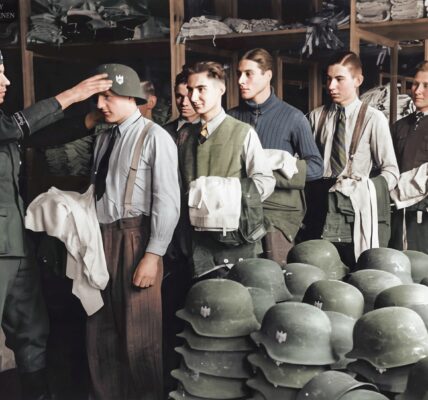
During World War II, the Waffen-SS, the armed wing of the Nazi SS organization, played a significant role in combat operations across Europe. Established in 1939 and expanding rapidly throughout the war, it became closely associated with ideological indoctrination and serious violations of the laws of war. Historical research has documented the involvement of several Waffen-SS units in crimes against civilians and prisoners, particularly on the Eastern Front.
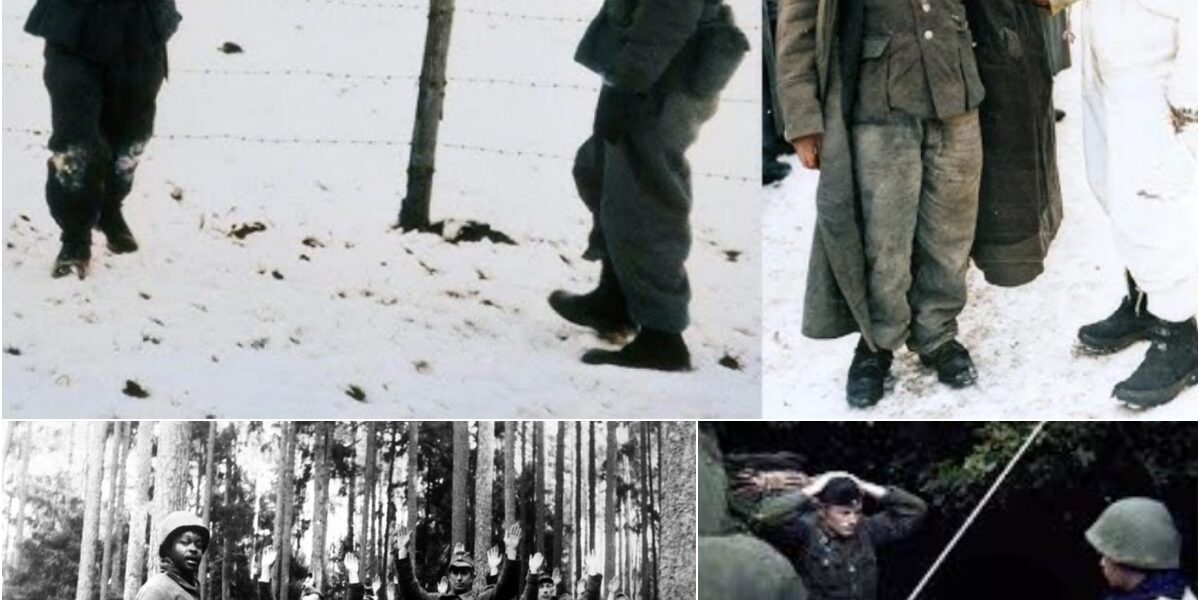
Following the invasion of the Soviet Union in 1941, German authorities implemented policies that led to catastrophic conditions for Soviet prisoners of war. Large numbers of these captives died as a result of starvation, exposure, disease, and unlawful treatment. Modern estimates indicate that millions of Soviet POWs did not survive German captivity, with Waffen-SS units among the forces implicated in these outcomes.
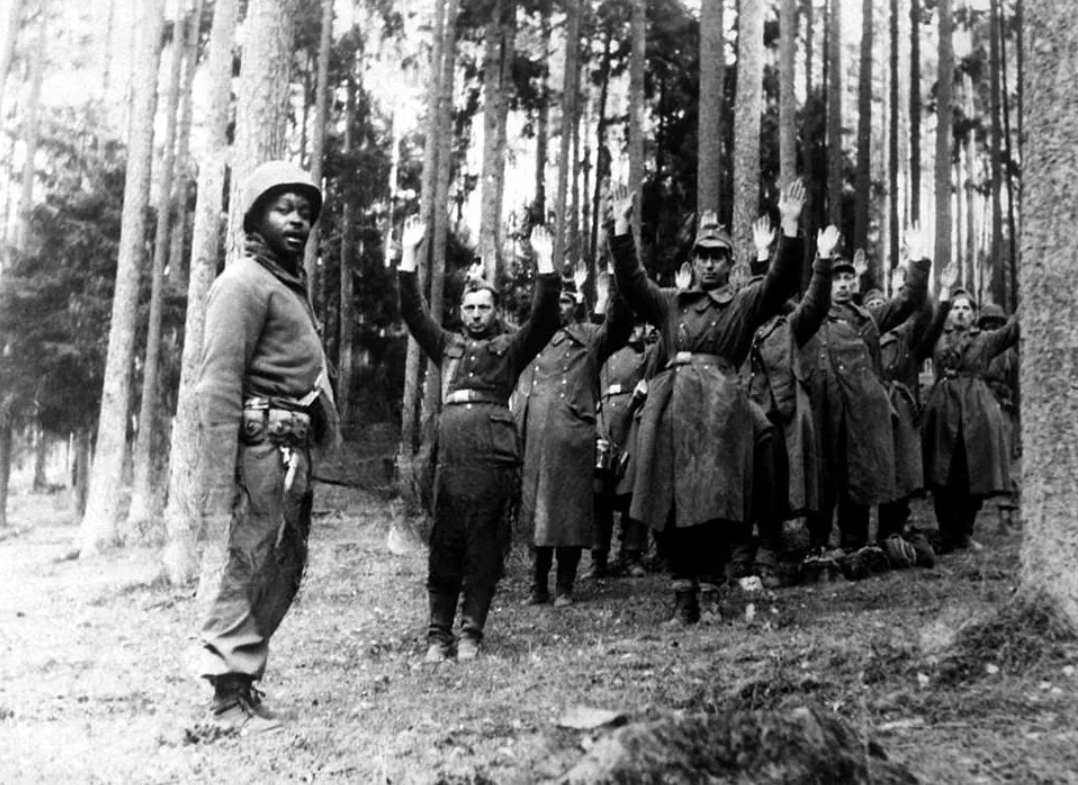
In Western Europe, a number of incidents involving Waffen-SS formations contributed to a perception among Allied forces that these units operated outside established conventions of warfare. Events such as the killings of prisoners and civilians during late 1944 and 1945 were widely reported after the war through survivor testimony and official investigations. These actions reinforced the view that certain SS units disregarded the protections afforded by international law.
As Allied forces advanced into Germany, they encountered evidence of widespread mistreatment in camps and occupied territories. In some isolated situations, the emotional shock of these discoveries led to deviations from standard procedures for handling captured enemy personnel. Importantly, these incidents were not the result of official Allied policy but reflected the extreme psychological strain experienced by soldiers confronted with systematic abuse.
Despite these exceptions, the vast majority of German prisoners taken by Allied forces were treated in accordance with the Geneva Conventions. By the end of the war, millions of German soldiers were held in captivity under regulated conditions.
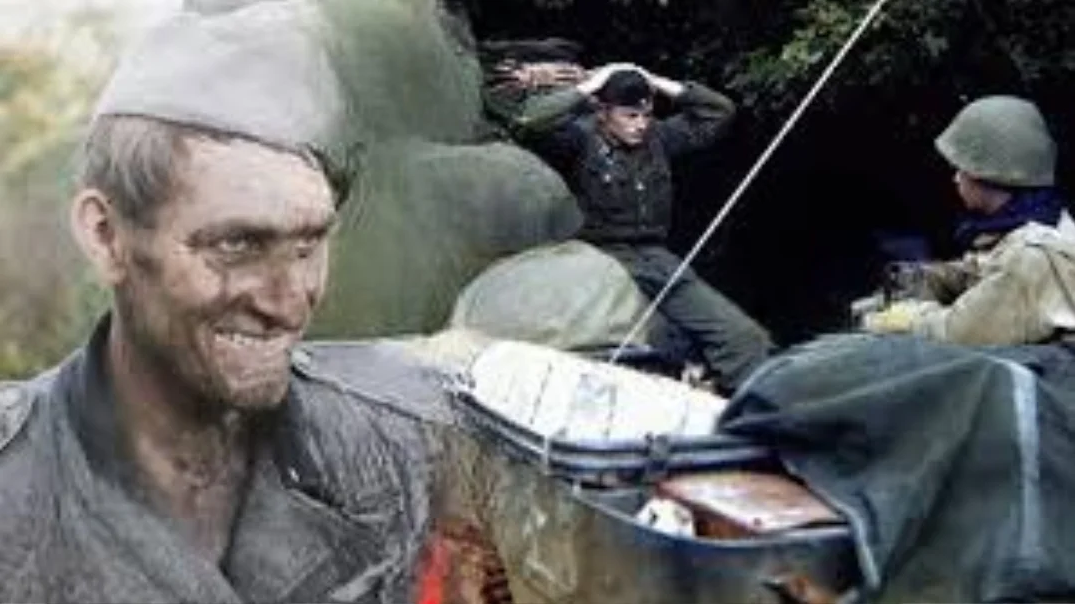
In the post-war period, accountability was pursued through formal legal mechanisms. Military tribunals, including those addressing crimes committed by Waffen-SS units, sought to establish responsibility based on evidence and due process. At the same time, Allied authorities investigated allegations of misconduct by their own troops, underscoring the principle that violations of the laws of war must be examined regardless of the side involved.
The history of the Waffen-SS and the treatment of prisoners during World War II illustrates how prolonged violence and ideological warfare can erode humanitarian norms. Studying these events reinforces the importance of international conventions, legal accountability, and the protection of human dignity, even in times of armed conflict.
Sources
-
National WWII Museum – Justice After the 1944 Malmedy Massacre
-
United States Holocaust Memorial Museum – POWs and Nazi policies
-
International Committee of the Red Cross – POW treatment in WWII
-
Academic studies on German military justice and post-war tribunals

Related Posts

Striking Colorized Photographs Show Soldiers From Both Sides of the American Civil War in Their Military Attire _us1002
The battle-weary soldiers who fought on both sides in the American Civil War have been painstakingly brought back to life in 21st century color. These stunning photographs…

Against Occupation Regulation: Pictures of US Soldiers Dating With Japanese Local Girls in 1946 _us1001
Japan after the surrender. Anti fraternization laws (as in force in Germany and Japan) forbade that a US soldier approaching a little too close to a girl…
The ONLY WOMAN Beheaded in France for Abortion: The Heartfelt Decision of Marie-Louise Giraud That Led to Her TRAGIC End – A FEMALE MARTYR Under the Nazi-Collaborationist Vichy Regime (CONTENT WARNING: GRAPHIC DESCRIPTION OF EXECUTION) _us109
EXTREMELY SENSITIVE CONTENT – 18+ ONLY This post refers to the judicial execution of a French woman under the Vichy regime for performing abortions. Shared solely for…
THE 19-YEAR-OLD MOTHER Who Stood Before the Guillotine with a CALM DEMEANOR: The Execution of Liane Berkowitz – Why Nazi Germany Insisted on Guillotining a Young 19-Year-Old Mother Who Had Just Given Birth at All Costs? (CONTENT WARNING: GRAPHIC DESCRIPTION OF EXECUTION) _us108
EXTREMELY SENSITIVE CONTENT – 18+ ONLY This post refers to the judicial execution of a young German resistance fighter and mother in Plötzensee Prison in 1943. Shared…
THE YOUNGEST GIRL Executed by a GERMAN GUILLOTINE in History: The Bitter Final Words of the 19-Year-Old Girl And an INJUSTICE That Took 47 Years to Be CLEANSED _us107
EXTREMELY SENSITIVE CONTENT – 18+ ONLY (CONTENT WARNING: GRAPHIC DESCRIPTION OF EXECUTION BY GUILLOTINE) This post refers to the judicial execution of a young German civilian woman…
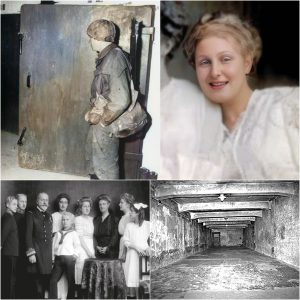
THE TRAGIC END OF THE EUROPEAN PRINCESS TAKEN BY THE NAZIS: For an Unbelievable Reason, the Innocent Princess Maria-Karoline Endured Final Moments in Stark Contrast to Her Silken Life _us107
EXTREMELY SENSITIVE CONTENT – 18+ ONLY This post refers to the murder of a disabled member of European nobility under the Nazi T4 euthanasia programme. Shared solely…