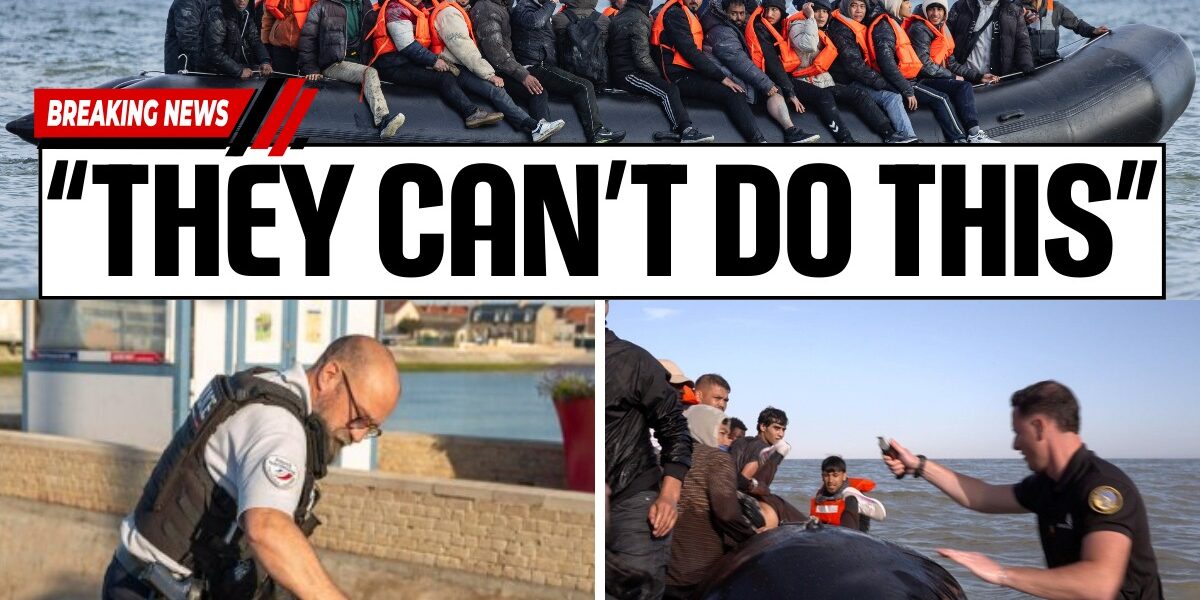
Masked Individuals Target Migrant Boats on French Beaches in Apparent Vigilante Acts. phunhoang

Calais/Dunkirk — Disturbing video footage has emerged showing masked men on beaches in northern France deliberately damaging or interfering with small boats used by migrants attempting to cross the English Channel. The incidents, captured by witnesses and shared widely on social media, have prompted immediate condemnation from French and British authorities and renewed calls for stronger bilateral action to prevent further escalation.
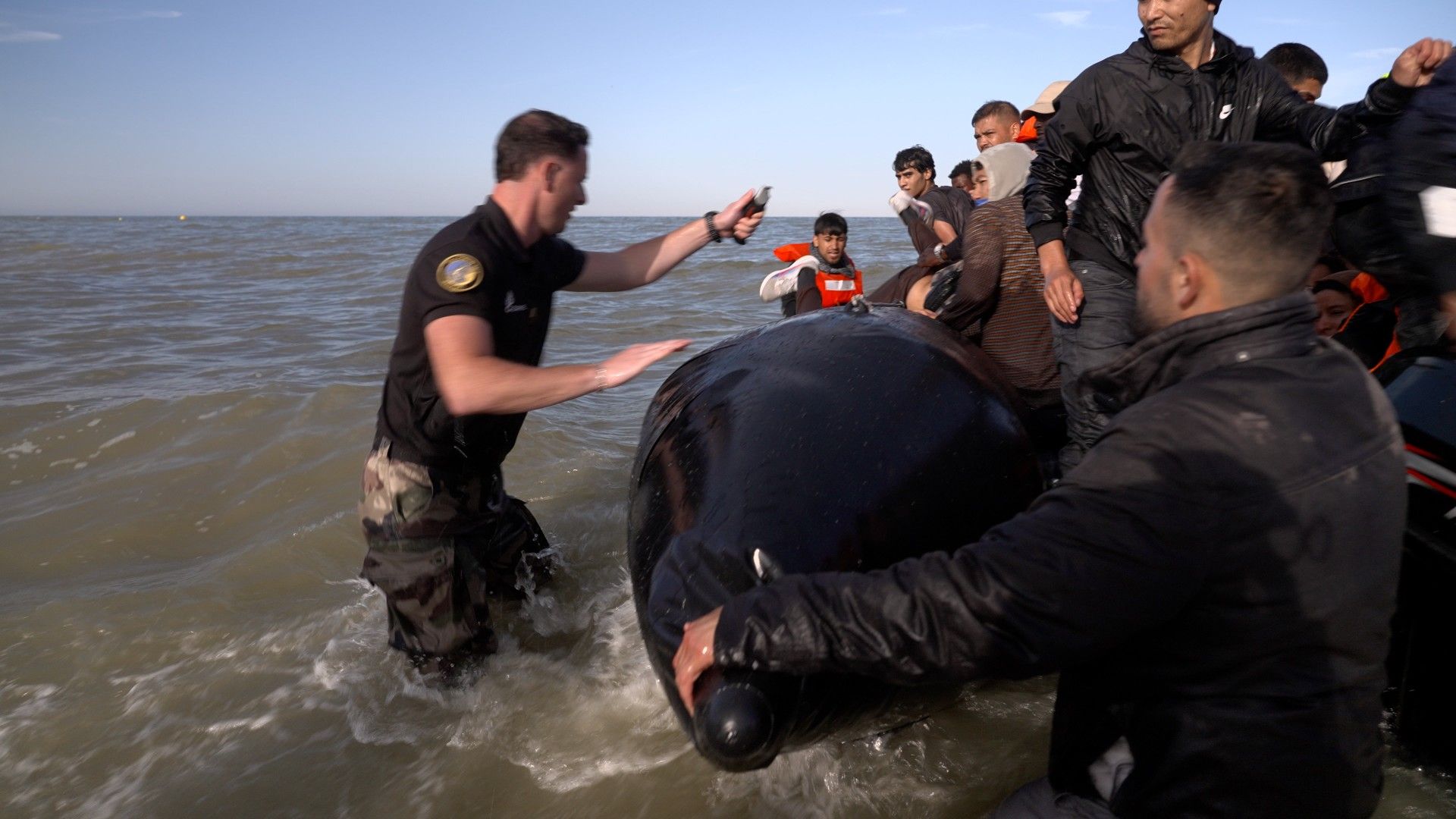
Eyewitness accounts describe groups of men arriving at popular departure points along the coast near Calais and Dunkirk, where migrants often gather before attempting the crossing. In several clips, individuals are seen approaching inflatable boats, slashing them with knives, smashing outboard motors or physically pushing vessels back toward the shore. Some footage shows migrants already aboard scrambling to safety as the boats are punctured or overturned in shallow water. Witnesses report hearing shouts and threats, though no serious injuries have been confirmed in the available material.
French police have launched investigations into the incidents as criminal damage and potential endangerment of life. The Pas-de-Calais prefecture issued a statement confirming that officers are reviewing video evidence and witness statements, with several individuals believed to have been identified through facial-recognition tools and local intelligence. British Home Office sources have expressed serious concern, describing the actions as reckless and potentially lethal, and have offered investigative support to French counterparts.
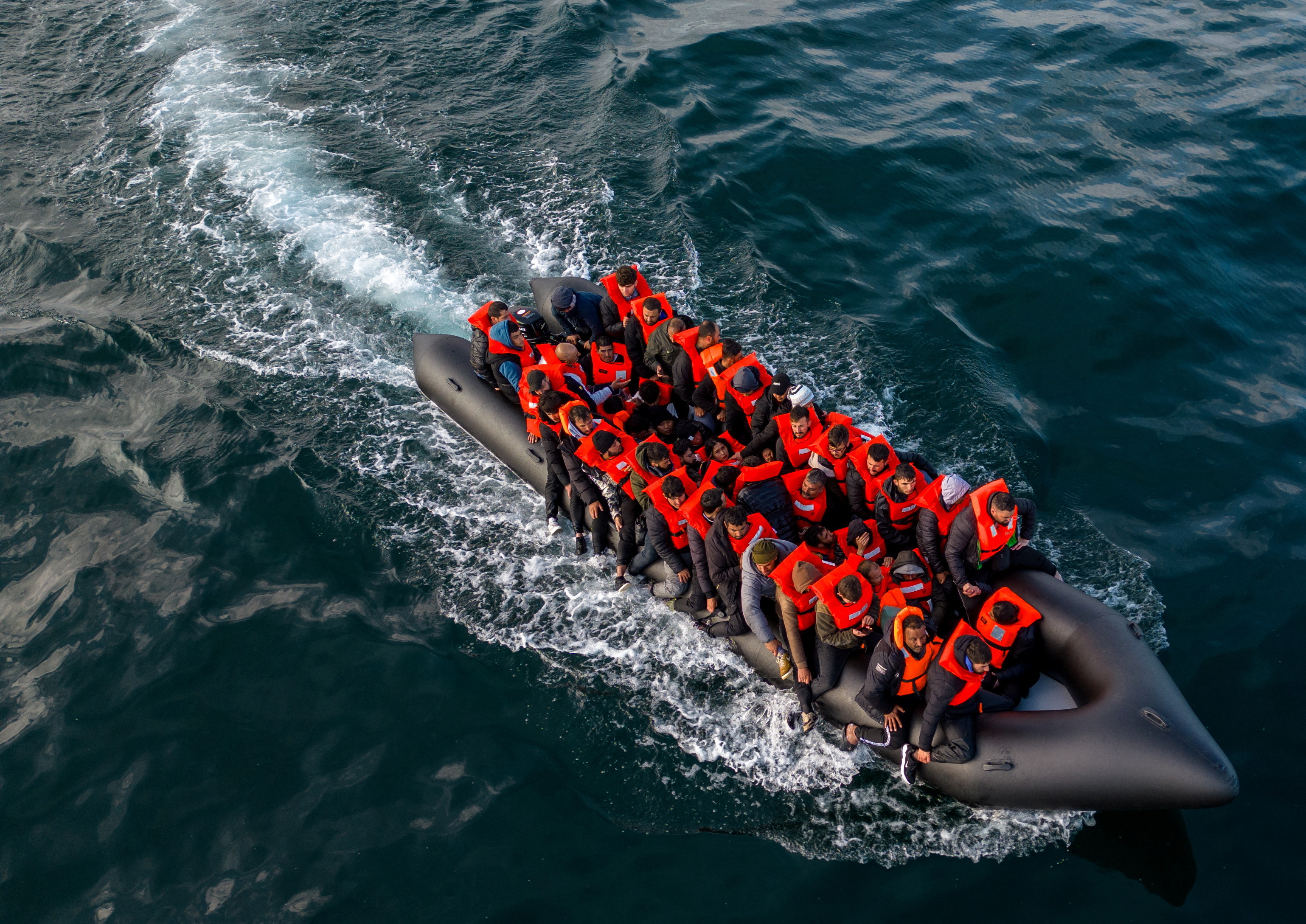
The events occur against the backdrop of sustained small-boat crossings that have dominated bilateral relations for several years. Home Office figures show more than 35,000 arrivals via the route in 2025, with numbers in early 2026 running ahead of the previous year. French authorities have increased patrols, dismantled makeshift camps and disrupted smuggling networks, but departures continue, often from remote beaches with limited surveillance. Migrants, primarily from Afghanistan, Iran, Iraq, Syria, Eritrea and Sudan, frequently cite conflict, persecution or economic desperation as reasons for attempting the journey.
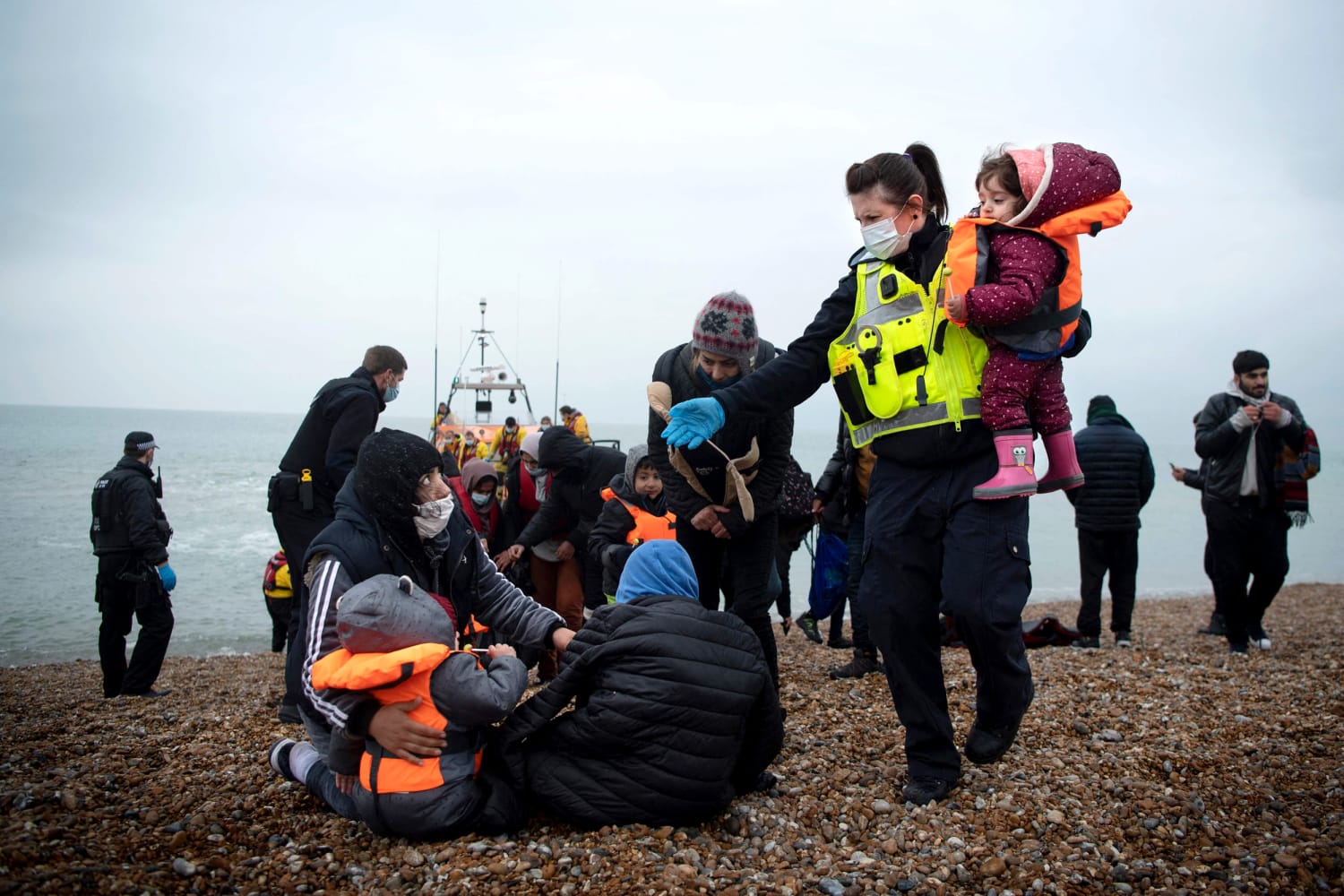
Community leaders and humanitarian organisations have expressed alarm at the vigilante actions. The Refugee Council described the incidents as “extremely dangerous” and called for immediate protection measures for vulnerable people already in precarious situations. Médecins Sans Frontières, active in the region, warned that deliberate interference with unseaworthy vessels could lead to drownings, particularly at night or in rough conditions. Local residents in Calais and Grande-Synthe have reported growing tension, with some expressing sympathy for vigilante motives while others condemn the lawlessness.
Political reaction has been swift and sharply divided. Reform UK figures have defended the principle of preventing crossings by any means necessary, arguing that years of perceived government inaction have left ordinary citizens feeling compelled to act. Nigel Farage described the incidents as “understandable frustration” while stopping short of endorsing violence. Conservative MPs have called for tougher enforcement on both sides of the Channel, criticising the Labour government for failing to deter departures.
The government has rejected any justification for vigilante action. Home Secretary Yvette Cooper condemned the incidents as “unacceptable and dangerous,” stressing that border security remains a state responsibility. She reiterated commitments to expand returns agreements, disrupt smuggling gangs and work with French authorities on prevention. Prime Minister Keir Starmer, speaking at a regional event, emphasised that law and order must be upheld on both sides of the border and that private interference only complicates operational efforts.
French Interior Minister Gérald Darmanin has promised a robust response, describing the actions as criminal and a threat to public safety. He confirmed increased police presence at known departure points and enhanced surveillance using drones and thermal imaging. Darmanin also criticised British media coverage for what he termed sensationalism, arguing that it inflames tensions without addressing root causes.
Legal experts have highlighted the serious implications of the incidents. Deliberately endangering lives at sea could constitute offences under French criminal law, including aggravated damage and attempted homicide. If perpetrators are British nationals, extradition proceedings could follow. The incidents also raise questions about potential violations of international maritime law and the duty to render assistance to those in distress.
The Channel crisis has long strained bilateral relations. Successive British governments have pushed for stronger French action to prevent departures, while Paris has argued that the UK must do more to remove those with no legal right to remain and reduce pull factors such as hotel accommodation and limited deportation rates. The Safety of Rwanda Act, intended to deter crossings through offshore processing, was abandoned following the change of government in 2024, leaving ministers searching for alternative deterrents.
Humanitarian organisations have called for de-escalation and renewed focus on safe, legal pathways. Amnesty International warned that vigilante actions risk creating a climate of fear and violence, while Save the Children highlighted the particular vulnerability of unaccompanied minors attempting the crossing. Both organisations urged governments to prioritise protection over confrontation.

Public opinion in Britain remains deeply divided. Polling consistently shows immigration as a top concern, with a majority supporting stronger border measures. However, surveys also indicate widespread rejection of violence or vigilantism, with most respondents preferring state-led enforcement. The footage has amplified existing anxieties while prompting reflection on the human cost of prolonged policy stalemate.
As investigations continue, attention is turning to prevention. French authorities are exploring the use of temporary fencing and rapid-response units at known departure sites. British ministers have signalled increased investment in intelligence-sharing and disruption of smuggling networks. Both sides have reiterated the need for a joint approach, though political rhetoric on each side of the Channel often complicates cooperation.
The incidents serve as a stark reminder of the volatile intersection between migration policy, public frustration and real-world enforcement. Whether they prove to be isolated acts or the beginning of a more sustained pattern will depend on the effectiveness of official responses and the broader trajectory of the Channel route. For now, the images of damaged boats and frightened migrants stand as a visible symbol of a crisis that continues to defy easy resolution.







Related Posts

Starmer Faces Intense Exchange During PMQs in Westminster teptep
Starmer faced a dramatic moment during Prime Minister’s Questions as he was publicly called out for delivering “scripted” responses to pressing inquiries. The tension peaked when MP…

Commons Session Draws Attention Following Exchange. teptep
In a shocking turn of events that has sent shockwaves through Westminster, Labour leader Keir Starmer was dramatically heckled and thrown out of Parliament by the House…
Commons Session Draws Attention Following Exchange. teptep
In a shocking turn of events that has sent shockwaves through Westminster, Labour leader Keir Starmer was dramatically heckled and thrown out of Parliament by the House…

UK Govt. Attempted To IMPOSE Sharia In Britain And Then This Happened! OCD
A fierce national debate has emerged in the United Kingdom following new government measures addressing anti-Muslim hostility, sparking intense discussion about integration, public policy, and the boundaries of social…

‘GET OUT’, Why Cyprus Is Saying To Britain What The Entire Arab World Has Wanted For Decades. OCD
A quiet but potentially far-reaching shift is underway in the Eastern Mediterranean. As the U.S.-Israeli conflict with Iran intensifies, Western military installations long viewed as pillars of…

BREAKING: Canada Set to JOIN EU — First Non-European Member, €150B Defence Deal on the Table!..konkon
Canada to Join EU – First Non-European Member, €150B Defence Access, Treaty Can Be Amended In a development that is rapidly sending shockwaves through global political circles,…