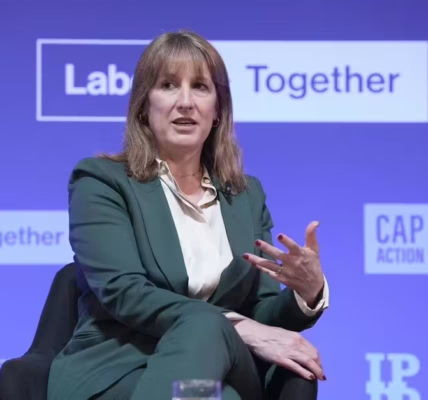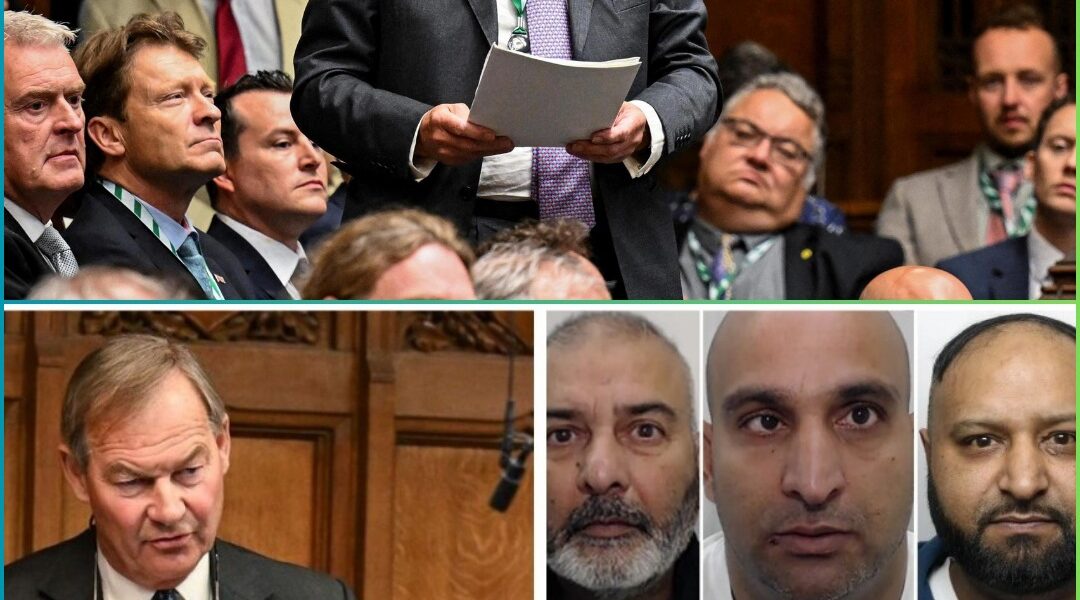

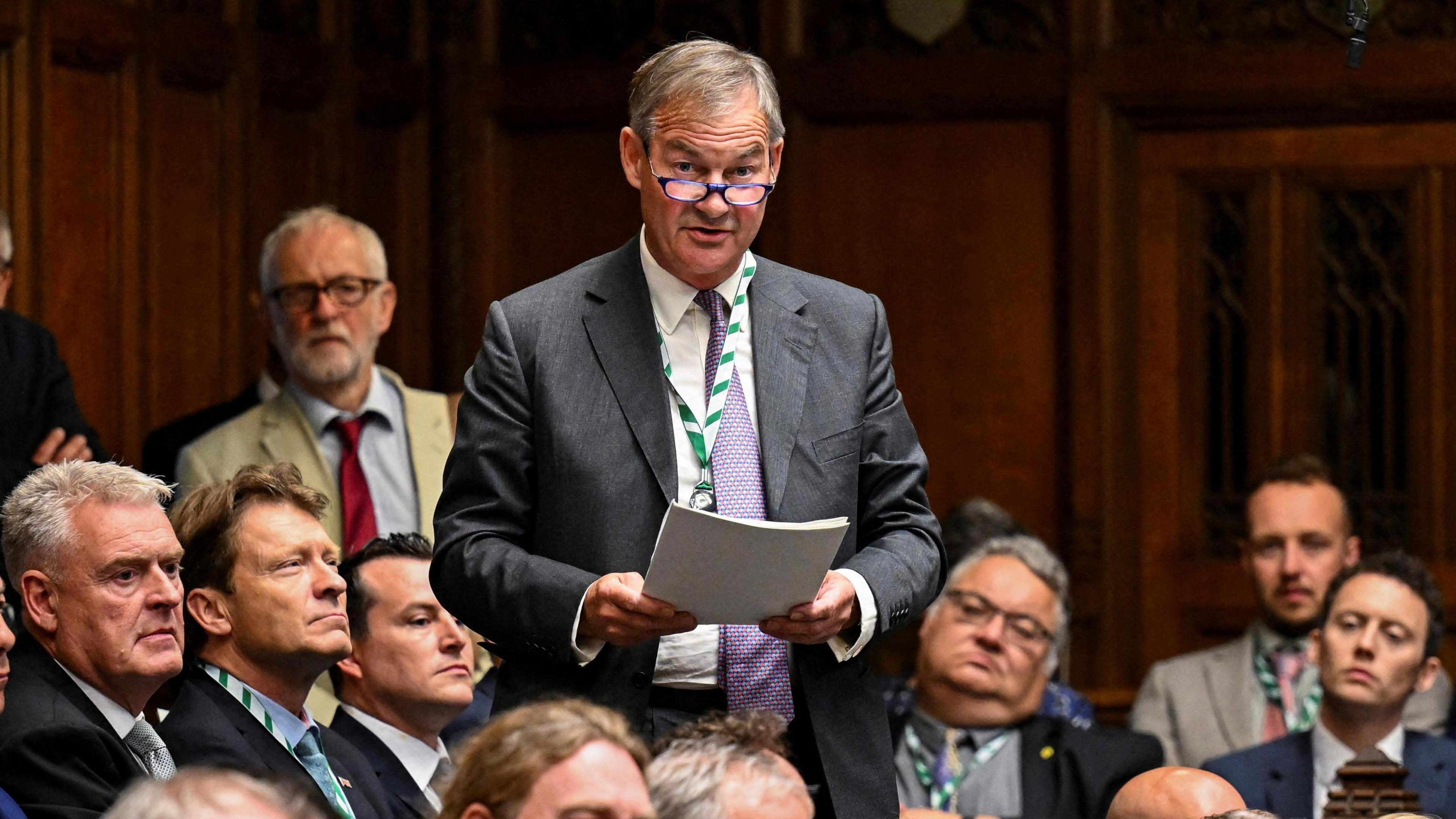
Rupert Lowe, the MP now associated with the newly registered Restore Britain party, raised the issue of organised grooming gangs during Home Office Questions in the House of Commons, directing pointed inquiries to Home Secretary Shabana Mahmood about the government’s strategy for addressing reports of systematic child sexual exploitation and trafficking in parts of the United Kingdom. The exchange highlighted a topic that has recurred in parliamentary debate for more than a decade, with lawmakers continuing to examine the adequacy of past inquiries, law-enforcement responses, and victim-support mechanisms.
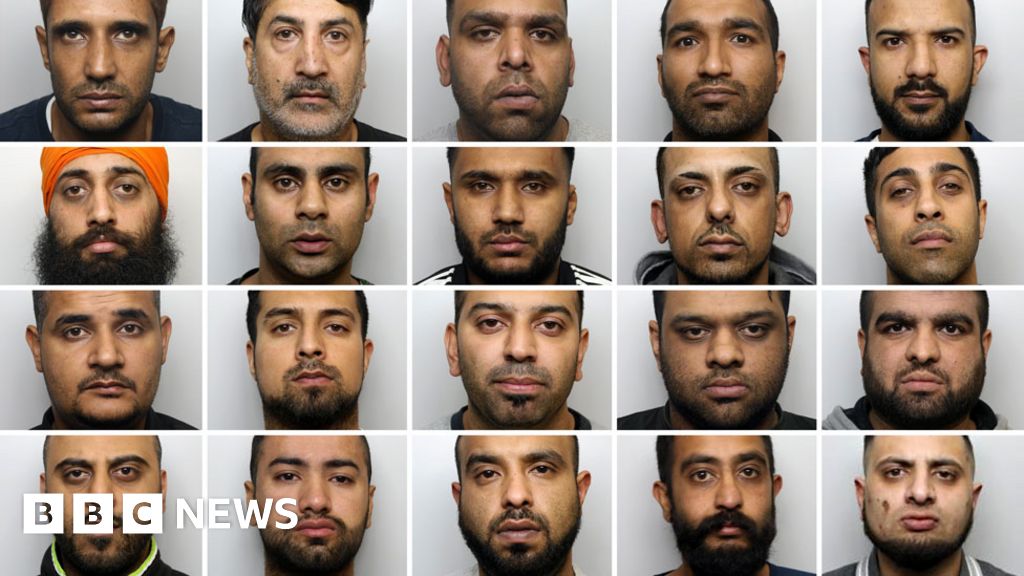
Lowe referenced long-standing investigations into cases where groups of offenders have been convicted of exploiting vulnerable young girls, often over extended periods and in multiple locations. He asked the home secretary to outline the specific steps being taken by the current administration to prevent recurrence, pursue outstanding leads, and ensure comprehensive support for those affected. Mahmood responded by reaffirming the government’s commitment to tackling all forms of child sexual abuse and exploitation, pointing to existing multi-agency frameworks, ongoing prosecutions, and resources allocated to specialist units within police forces and the Crown Prosecution Service.
The home secretary emphasised that the issue cuts across communities and is treated as a priority under national policing plans. She noted continued implementation of recommendations from previous independent inquiries, including improvements in data-sharing between agencies, training for frontline officers, and measures to identify at-risk children more effectively. Mahmood also highlighted legislative changes introduced in recent years that have strengthened powers to pursue perpetrators and protect victims, while stressing the importance of localised safeguarding arrangements that allow authorities to respond to patterns emerging in specific areas.
Lowe’s intervention reflects his active involvement in efforts to secure a new, independent review of grooming-gang cases. Supporters of such a review argue that earlier examinations, while producing significant findings and leading to hundreds of convictions, left certain questions unresolved — particularly around the scale of offending, potential institutional shortcomings in early responses, and whether all relevant lines of inquiry were pursued to their conclusion. Critics of additional reviews maintain that resources should focus on current prevention and prosecution rather than revisiting matters already subject to extensive scrutiny.
The subject has remained one of the most sensitive and politically charged in recent British public life. High-profile convictions in towns including Rotherham, Rochdale, Oxford, Telford, and Huddersfield exposed networks that exploited hundreds of victims, many of whom were in local-authority care or otherwise vulnerable. Independent reports commissioned by various authorities documented failures in coordination between police, social services, and other agencies, as well as instances where concerns were downplayed or not acted upon promptly due to fears of inflaming community tensions or being perceived as discriminatory.
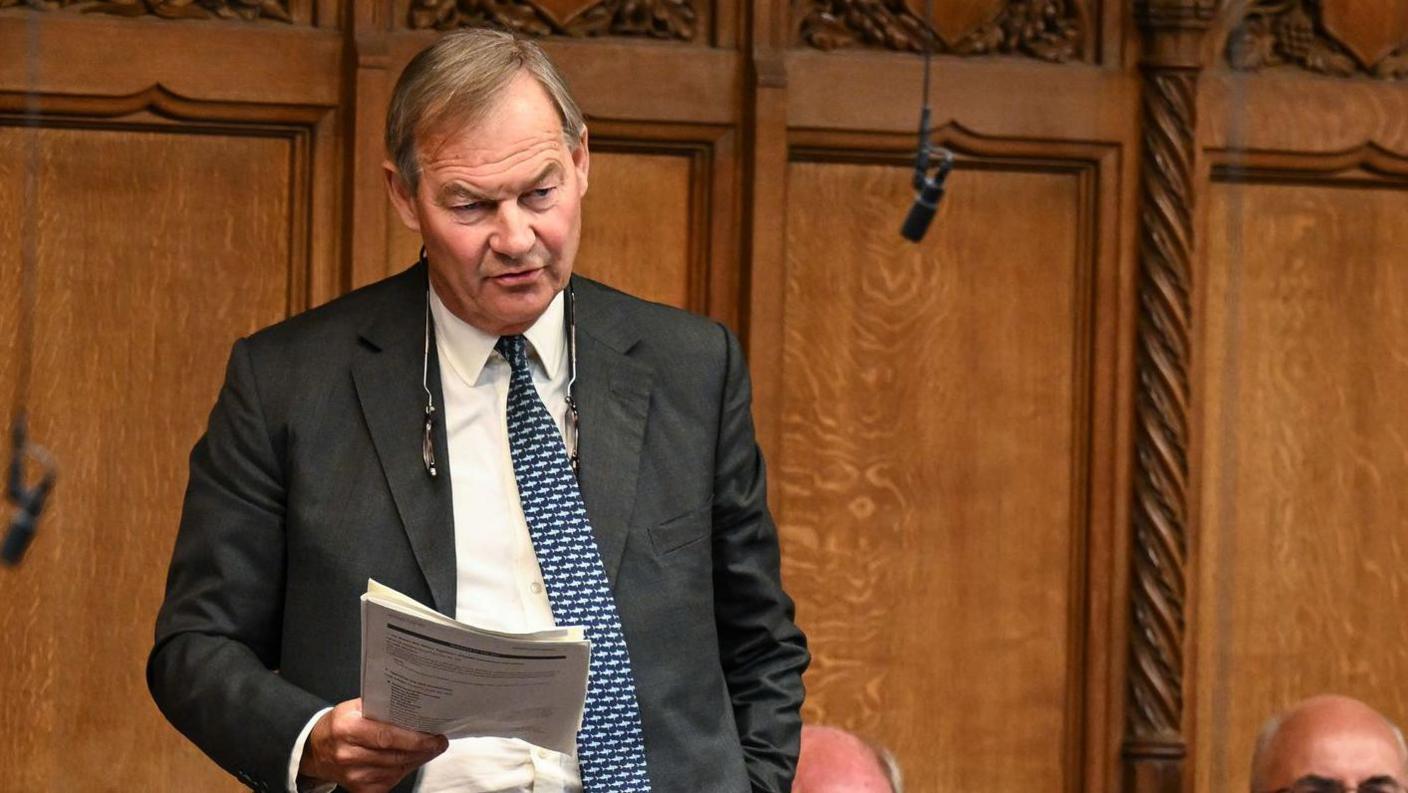
Subsequent national inquiries and reviews, including the Independent Inquiry into Child Sexual Abuse led by Professor Alexis Jay and the Grooming Gangs Taskforce established under previous home secretaries, have recommended systemic reforms. These include better information-sharing protocols, mandatory reporting requirements for certain professionals, enhanced victim-centred policing models, and increased funding for specialist support services. Successive governments have accepted many of these recommendations in principle, though implementation has varied across police forces and local authorities.
In recent months, the issue has resurfaced in parliamentary questions and media discussion, partly driven by ongoing civil claims, new disclosures in court proceedings, and continued advocacy from victims’ groups and concerned parliamentarians. Some MPs have called for a national public inquiry with statutory powers to compel evidence and examine decision-making at the highest levels, while others have urged caution against measures that could duplicate existing work or divert resources from frontline protection efforts.
The Commons exchange occurred against the backdrop of broader Home Office priorities under the current Labour administration. Shabana Mahmood, appointed following the 2024 general election, has overseen continued operation of the Grooming Gangs Taskforce and maintained cross-government coordination on child sexual abuse. The department has reported progress in areas such as increased arrests and convictions linked to group-based exploitation, alongside investment in technology to identify online grooming risks and support for independent sexual violence advisers who assist victims through the criminal-justice process.
Opposition figures and independent MPs have pressed for greater transparency on the geographic distribution of cases, demographic patterns among perpetrators and victims, and outcomes of multi-agency safeguarding reviews. Questions have also been raised about the adequacy of funding for specialist units in under-resourced police forces and the effectiveness of measures to disrupt offender networks before offending escalates.
Lowe’s decision to raise the matter during Home Office Questions aligns with his public positioning on issues of law and order, child protection, and institutional accountability — themes that feature prominently in Restore Britain’s emerging platform. While the party remains in its early organisational phase, the MP’s parliamentary interventions serve to maintain visibility on topics that resonate with segments of the electorate concerned about public safety and perceived failures in earlier responses.
For the government, the topic presents a complex balance. Ministers must demonstrate robust action without appearing to politicise a profoundly sensitive area involving vulnerable children and long-term trauma. Home Office statements consistently frame the issue as one requiring sustained, evidence-based measures rather than periodic high-profile inquiries, though pressure for further independent scrutiny persists from victims’ advocates and certain parliamentarians.
Victim-support organisations have welcomed renewed parliamentary attention while stressing the need for tangible improvements in service delivery. Many survivors continue to seek better access to counselling, legal aid, and compensation schemes, alongside assurances that current safeguarding systems are equipped to detect and disrupt exploitation at the earliest stages.
The Commons session did not produce new policy announcements or commitments to a fresh national inquiry. However, it served as a reminder of the issue’s enduring place on the legislative agenda. Home Office Questions provide a regular opportunity for MPs to test ministerial positions, and the grooming-gangs file is likely to feature in future sessions as long as outstanding concerns remain.
Broader context includes ongoing criminal proceedings in several regions, civil litigation seeking damages from local authorities, and academic and journalistic examinations of the societal and institutional factors that allowed networks to operate over extended periods. These elements collectively sustain public and parliamentary interest, even as the focus shifts toward prevention and long-term cultural change.

The debate also intersects with wider discussions on community cohesion, policing priorities, and the role of statutory agencies in protecting children from organised abuse. While convictions have increased in recent years and multi-agency working has improved in many areas, confidence in the system’s overall effectiveness varies, with some stakeholders arguing that gaps in early intervention and information-sharing persist.
As Parliament continues its scrutiny of Home Office performance, the grooming-gangs issue is expected to remain a recurring point of contention. Whether through enhanced taskforce activity, legislative adjustments, or further independent assessment, the challenge for policymakers is to translate sustained attention into measurable advances in victim protection and offender disruption. The recent Commons exchange between Rupert Lowe and Shabana Mahmood adds another layer to that ongoing conversation, reflecting both the complexity of the issue and the determination of certain MPs to keep it at the forefront of national debate.