The Boy Who Would Not Be Defeated: Chris Formaker’s Journey Back to the Court. Hyn

Chris Formaker, a ten-year-old boy from Elk Grove, California, has loved basketball for as long as he can remember. He loved the feeling of dribbling the ball down the court, the satisfying swish of the net when his shot fell, and the camaraderie with his teammates. He loved to watch games on television, talk about strategies, and dream of one day becoming a professional athlete. Yet, in January 2015, that passion was abruptly interrupted. Chris began experiencing pain and swelling in his left knee, something that initially seemed minor to those around him but would mark the beginning of a long and grueling battle with osteosarcoma, a rare form of bone cancer that most commonly strikes children and teenagers.
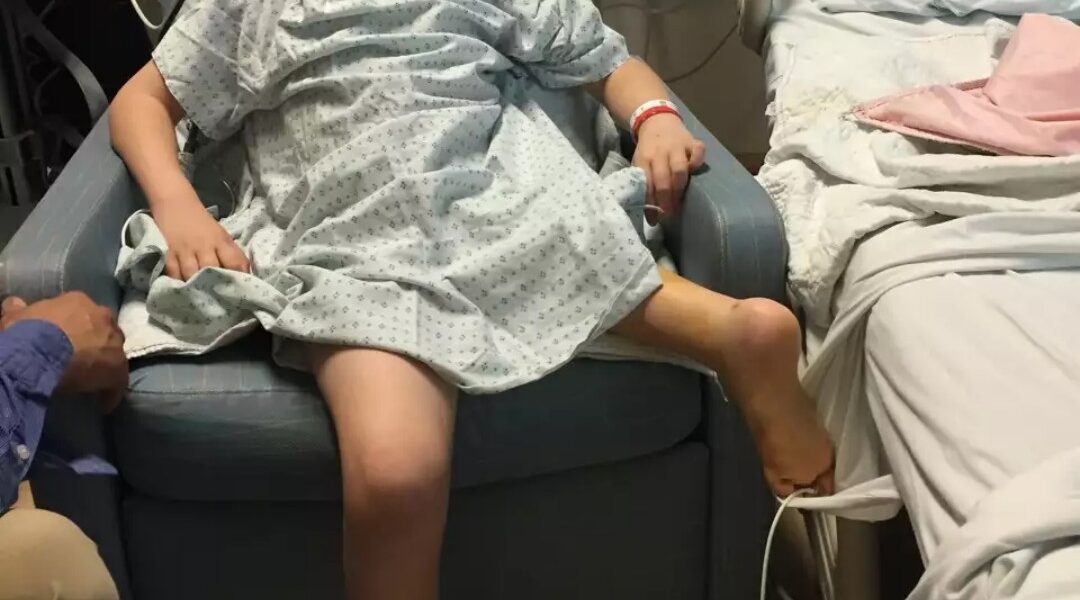
It all began on a seemingly ordinary Thursday. Chris’s father, Jesse Formaker, picked him up from school to take him to a pediatrician appointment. Jesse remembers the day vividly, though it has been etched in his memory with a mixture of fear, disbelief, and heartbreak. That afternoon, what began as a routine medical visit turned into the start of a nightmare that would stretch for months. Chris would not return to school for an entire year. The diagnosis came swiftly: osteosarcoma had invaded his left femur. The doctors presented three options for treatment, each fraught with its own risks and lifelong implications. The first option was an above-the-knee amputation, a procedure that would remove the diseased bone entirely but leave Chris with a prosthetic leg. The second was a limb-salvage procedure, an attempt to preserve as much of the leg as possible while removing the cancerous tissue. The third, and perhaps the most unusual, was a procedure called rotationplasty.
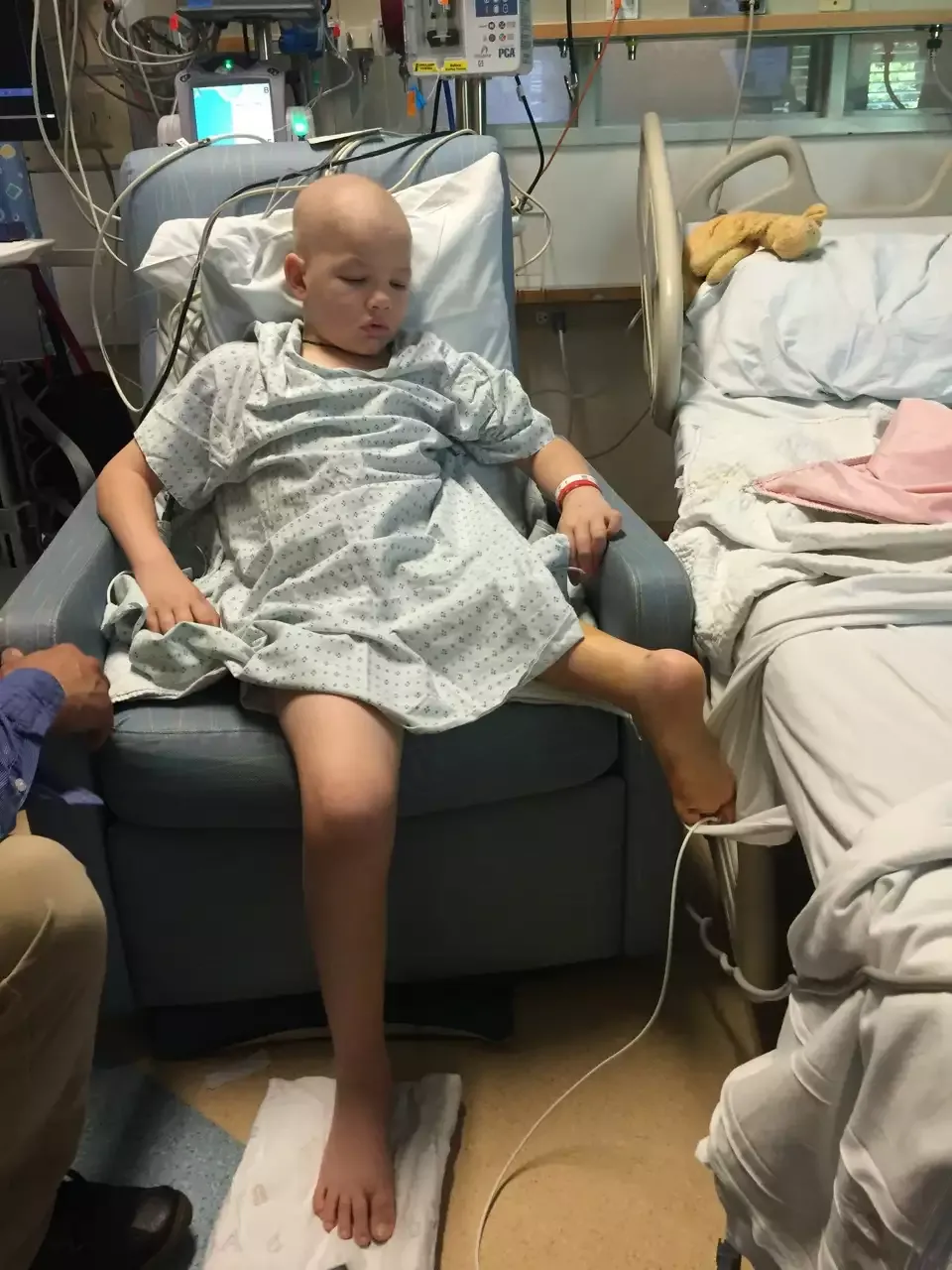
Rotationplasty is an uncommon surgical procedure, almost unheard of to those outside specialized pediatric orthopedic circles. It involves removing the affected sections of the femur and tibia, then rotating the patient’s foot and ankle 180 degrees and attaching it to the thigh to function as a new knee joint. This configuration allows for the attachment of a prosthetic leg and provides greater mobility than traditional amputation procedures. When faced with the choice, Chris surprised everyone. While the idea of his leg being rotated might have seemed frightening or awkward to some, he focused only on the future and his ability to play basketball again. “Who cares how it looks? I want that one,” he told the doctors, demonstrating a determination and maturity far beyond his ten years.
Chemotherapy began shortly after the diagnosis, an exhausting regimen that sapped Chris’s energy and left his body in constant battle against both the disease and the side effects of treatment. Each session tested his endurance and his willpower, but Chris faced them with courage, bolstered by the unwavering support of his parents and his community. The months were long and grueling, marked by hospital visits, long nights, and moments when the path forward seemed almost impossible. Through it all, basketball remained a guiding light for Chris, a reminder of the life he wanted to return to, the dreams he was determined not to relinquish.
The surgery itself was intricate and demanding. Rotationplasty is not merely a surgical intervention; it is a transformation that requires precision and vision. Chris’s surgeons at Lucile Packard Children’s Hospital Stanford navigated the delicate procedure with the utmost care, aware that their work would dictate the course of his physical abilities and the quality of his life. In the days following the operation, Chris faced pain that no child should endure, yet he showed resilience that inspired the medical team. Each step in rehabilitation was a challenge, each day a testament to his perseverance. Slowly, with tireless effort and unwavering determination, Chris began to learn how to walk again.
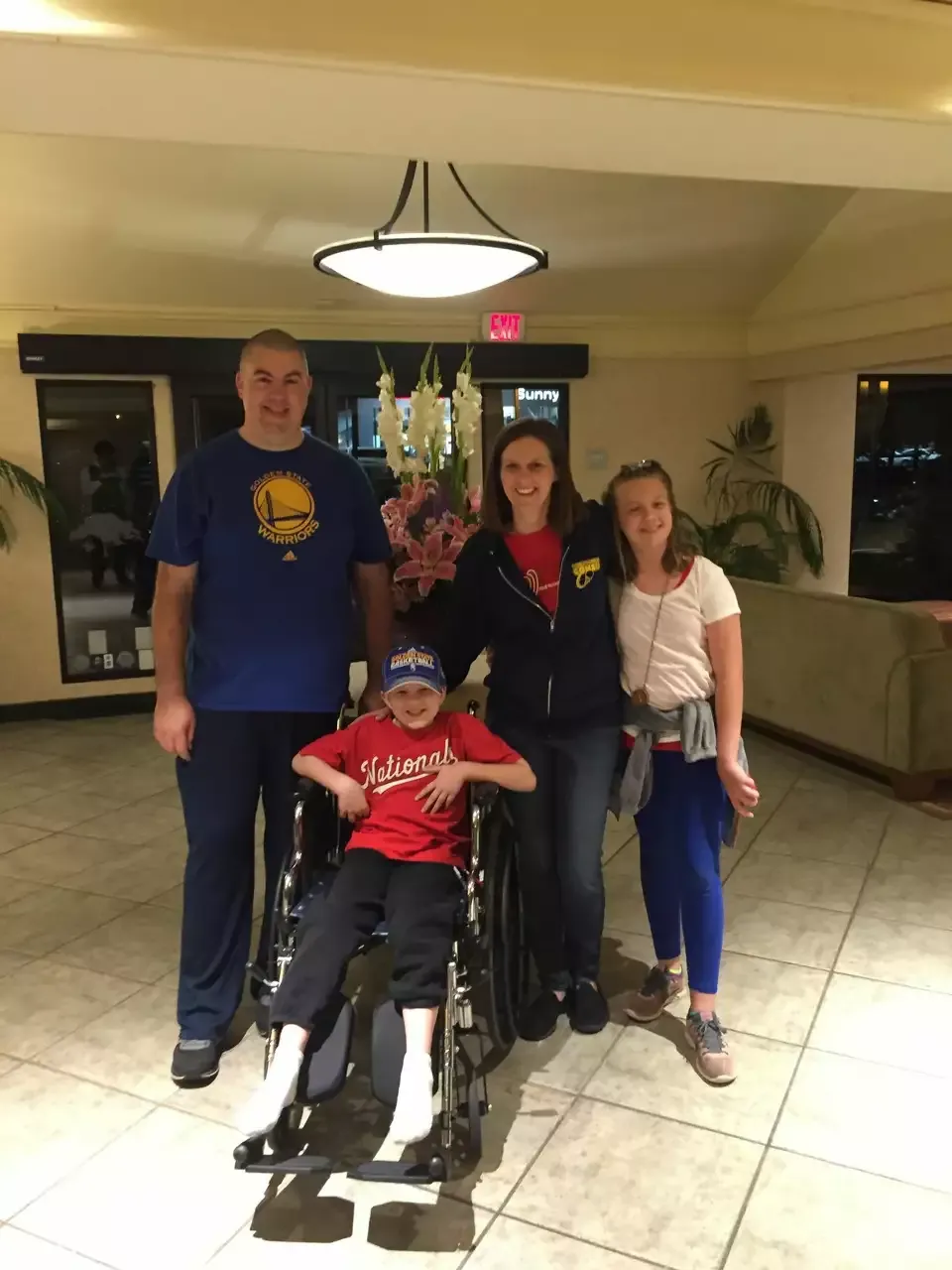
Mobility was not the only battle. The psychological weight of such a diagnosis at a young age is immense. Chris, once an energetic and carefree boy, had to confront his own mortality while navigating the complexities of growing up. There were moments of frustration, moments when the pain felt unbearable, and moments when the dream of returning to the basketball court seemed just beyond reach. Yet in these moments, his parents were steadfast, offering encouragement, holding his hand through physical therapy sessions, and reminding him of his own inner strength. Jesse and his wife stood as pillars of support, guiding him through every obstacle and celebrating even the smallest victories.
Eight months after the rotationplasty surgery, Chris was fitted with a prosthetic leg specially designed to accommodate his new knee joint. The prosthetic provided him with the stability and function necessary to begin engaging in physical activity again. The real test, however, was not simply walking or running, but returning to the basketball court, the place where Chris felt most alive. With the guidance of his father, who also serves as the head coach of his junior NBA league team, Chris gradually reintroduced himself to basketball drills, slowly regaining strength, balance, and confidence. Each dribble, each shot, each sprint down the court was a triumph against the odds, a small victory that reaffirmed his determination and love for the game.
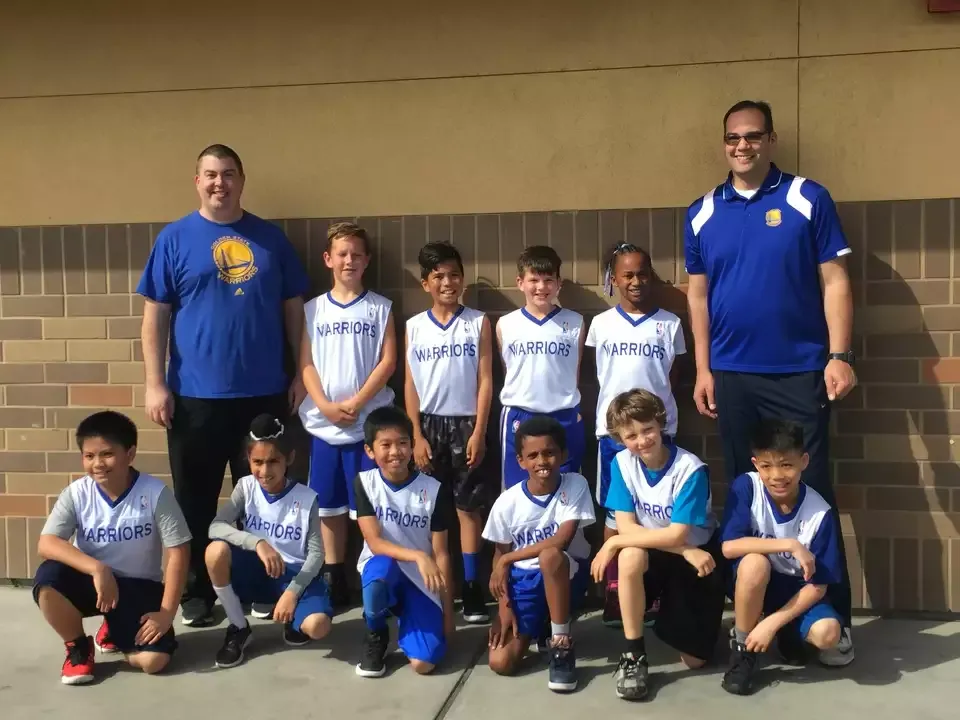
Finally, the day came when Chris returned to his team, the Cosumnes CSD Junior NBA basketball league Warriors. His teammates welcomed him with open arms, inspired by the courage and resilience he had demonstrated over the past year. Watching him play, dribbling the ball with ease, shooting hoops, and moving with determination, one could hardly believe the struggles he had endured. The rotationplasty procedure, combined with his unyielding spirit, allowed him to compete at a level that many thought would be impossible.
Chris’s journey was not solely about physical recovery; it was about the power of hope, family, and community. The support from his parents, medical staff, and peers created an environment in which he could not only survive but thrive. The story of a young boy overcoming osteosarcoma and returning to the basketball court is a profound reminder that even in the darkest moments, perseverance and resilience can lead to extraordinary triumphs.
The medical intricacies of rotationplasty are significant. While it may appear unusual or even alarming to the untrained eye, the procedure is functionally revolutionary. By rotating the lower leg and foot, surgeons create a biomechanically efficient joint that can bear the weight of the body, accommodate prosthetic attachments, and reduce the phantom limb pain commonly experienced in traditional amputations. For young athletes like Chris, this procedure offers a chance to maintain mobility and participate in sports, providing a psychological boost as well as physical functionality.
Chris’s story also highlights the critical role of early detection and intervention. Osteosarcoma is a disease that progresses rapidly, and timely medical attention can mean the difference between life and death, between limited mobility and a return to a normal, active life. The vigilance of his parents, noticing the swelling and discomfort in his knee, and the swift action of medical professionals set the stage for his remarkable recovery.
Beyond the technical medical aspects, the human element remains central. Chris’s bravery, combined with his father Jesse’s unwavering guidance and coaching, exemplifies the profound impact of familial love in the face of adversity. Together, they navigated a labyrinth of medical procedures, hospital stays, rehabilitation, and emotional hurdles. The bond between father and son, strengthened by shared challenges and mutual determination, became the bedrock upon which Chris rebuilt his life.
As Chris continues to grow, his journey serves as an inspiration to other young patients facing similar diagnoses. His story underscores the importance of perseverance, the willingness to embrace unconventional solutions like rotationplasty, and the invaluable role of community support. Children, parents, and medical professionals alike can draw lessons from his determination to return to the things he loves most, even when confronted with seemingly insurmountable obstacles.
Today, Chris is more than just a survivor; he is a beacon of hope for young athletes everywhere. His story has touched the hearts of those in his community, inspiring admiration and respect. The young boy who once faced the grim possibility of amputation and the loss of his athletic dreams now stands on the basketball court, demonstrating that courage, resilience, and the right support can lead to remarkable recovery.
Chris Formaker’s journey is a testament to the indomitable human spirit. Through pain, fear, and uncertainty, he and his family demonstrated that with love, dedication, and relentless perseverance, challenges that seem insurmountable can be overcome. His story is a reminder that even in the most difficult circumstances, hope can flourish, dreams can be reclaimed, and life can return to the rhythm of joy and passion.
It is easy to look at Chris today and see only the basketball player with a prosthetic leg, confidently dribbling and scoring on the court. But to fully appreciate his journey, one must remember the countless hours of therapy, the medical procedures, the pain, the uncertainty, and the emotional toll on a ten-year-old and his family. Each basket he makes is a silent tribute to the battles he has fought, the fears he has faced, and the victories he has claimed.
Chris’s story also reflects the broader significance of pediatric oncology and orthopedic innovation. It highlights the importance of advanced surgical techniques, compassionate care, and multidisciplinary support in treating childhood cancers and enabling patients to lead fulfilling lives post-treatment. The use of rotationplasty, while unconventional, illustrates the remarkable possibilities when medicine, ingenuity, and human courage intersect.
In the end, the triumph of Chris Formaker is not simply measured by points scored or games won. It is measured by his recovery, his ability to pursue his passion, and the profound resilience he has shown in the face of adversity. His journey is a story of hope, strength, and unwavering determination, a narrative that inspires and uplifts, reminding us all that even in the darkest moments, the human spirit has the power to prevail.
Chris continues to play basketball, attend school, and live a life full of promise. He has returned to the team he loves, under the guidance of his father, embracing each day with gratitude and determination. For every child facing a similar struggle, Chris stands as a testament that through courage, support, and innovation, it is possible to reclaim a life interrupted by disease.
His story will remain a beacon of inspiration for years to come, demonstrating the extraordinary resilience of a child and the profound impact of family, medicine, and community working together to overcome what once seemed impossible. Chris Formaker, the boy who would not be defeated, has shown the world that with heart, hope, and determination, one can rise from the shadows of illness to shine brightly on the court and in life.
Feven Melese: L’angelo dei cani randagi di Addis Abeba
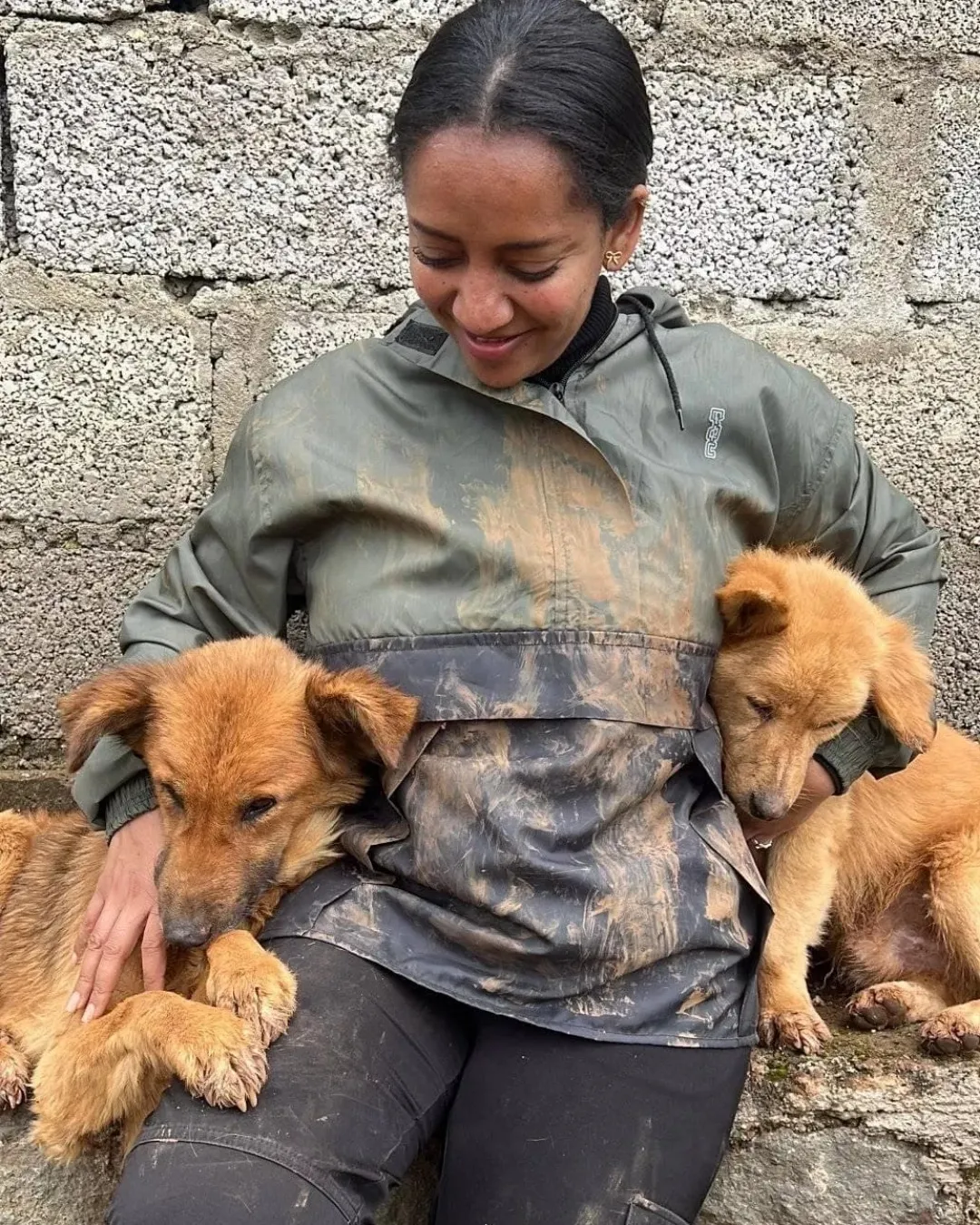
Nel cuore dell’Etiopia, tra i grattacieli in costruzione e le strade polverose di Addis Abeba, una giovane donna di 29 anni ha scelto di ribellarsi all’indifferenza. Feven Melese ha trasformato la compassione in missione: ogni giorno lotta per offrire cibo, cure e dignità ai cani abbandonati della capitale.
Nel suo rifugio improvvisato, una quarantina di animali trovano riparo, mentre altri 700 vengono nutriti per le strade ogni settimana. Laureata in musica, ha fondato uno dei pochi rifugi per animali di Addis Abeba, ai margini della città. Qui ospita 40 cani, mentre si prende cura di centinaia di altri vaganti nei quartieri più poveri.

Negli ultimi due anni, racconta, è riuscita a far adottare più di 300 animali. Il suo obiettivo non è solo salvarli, ma cambiare una mentalità radicata: “In Etiopia, la società non capisce. Si chiedono: hanno fame? Hanno sentimenti? Non interessa a nessuno se mangiano o no. Se si ammalano, non importa” ha detto Feven Melese all’Agenzia Ap.

Per molti etiopi, i cani sono ancora considerati guardiani, non compagni di vita. Una visione che Feven e altri giovani attivisti stanno cercando di trasformare attraverso campagne di sensibilizzazione e testimonianze concrete.
Mentre la capitale cresce verso l’alto, con nuovi palazzi e condomini moderni, migliaia di animali vengono lasciati indietro. Secondo le autorità municipali, più di 200 mila cani randagi vivono oggi nelle strade di Addis Abeba. Molti proprietari, costretti a trasferirsi in appartamenti dove gli animali non sono ammessi, li abbandonano.

Le autorità, preoccupate per la diffusione della rabbia, hanno più volte ricorso a misure drastiche, come l’avvelenamento dei cani in vista di eventi pubblici. Un metodo che ha suscitato forti critiche da parte delle associazioni animaliste.

Nel piccolo rifugio di Feven, costruito con materiali di fortuna, ogni cane ha una storia di dolore ma anche di rinascita. Come Konjit, che in amarico significa “bella”: investita da un’auto, porta ancora un collare rigido per sostenere il collo. Nonostante tutto, scodinzola ogni volta che Feven la accarezza.

La passione di Feven nasce da lontano: “Da bambina mi prendevo cura dei cani randagi. Ne avevo cinque che venivano a casa mia e restavano. Mia madre si arrabbiava e cercava di riportarli in strada, ma tornavano sempre, e io li riprendevo” ha raccontato sorridendo.

Nonostante le difficoltà, Feven continua la sua missione con determinazione. “Non posso salvarli tutti, ma posso cercare di non lasciarli soli” è il suo motto. Ogni giorno, con amore e dedizione, Feven Melese dimostra che anche un piccolo gesto può fare una grande differenza nella vita di un animale.