The extraordinary story of Helena Citrónová: a testimony of survival and resilience during the Holocaust

In the most difficult chapters of European history, stories emerge that demonstrate human strength, resilience, and the ability to find hope in the most complex situations. Among these, the story of Helena Citrónová stands out, a Jewish woman who survived her time in Auschwitz thanks to her personal courage and a series of unexpected circumstances. Her story, based on documented facts, offers a profound insight into individual experiences during World War II and invites reflection on the value of hope even in the most difficult times.

Early life
Helena Citrónová was born on August 26, 1922, in Humenné, in what was then Czechoslovakia. Raised in a Jewish family, she enjoyed a childhood enriched by music and culture. Her father, a cantor, nurtured her passion for singing, while her love of dance accompanied her from childhood. The warm and encouraging family environment helped shape her artistic sensibility and optimistic nature.
The historical context
The 1930s brought profound changes to Europe. The Citrónová family also suffered the consequences of the political and social tensions of the time. In 1939, some relatives who had moved to Palestine returned to Czechoslovakia, despite warnings about the international situation. The transformations that followed in Europe tragically affected Jewish communities, including that of Helena.
The arrival at Auschwitz and a complex relationship
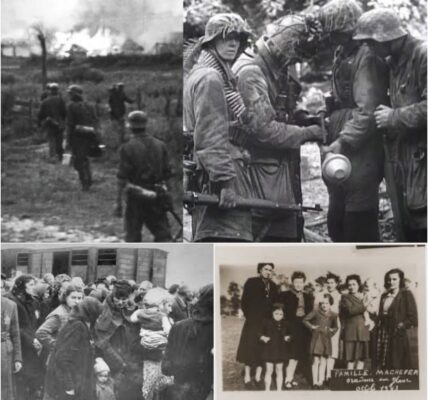
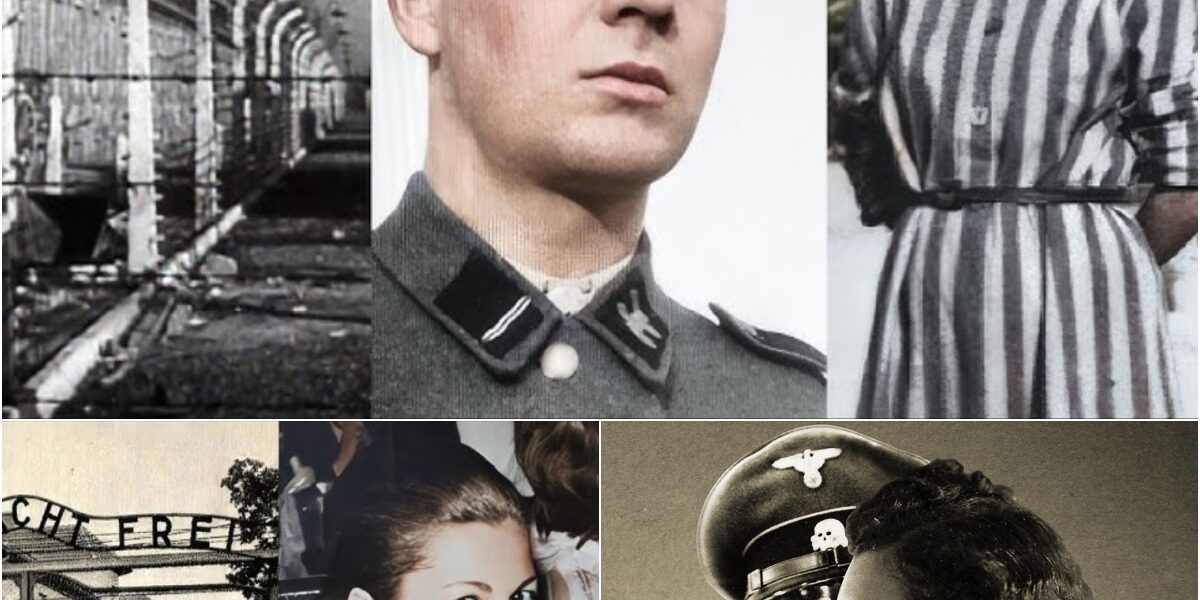
Helena was deported to Auschwitz, where her life changed radically. In that extremely difficult context, an unexpected bond was formed with a camp guard, a relationship that ultimately contributed to her survival. While this episode represents a delicate and complex part of her story, it highlights how, even in harsh conditions, unexpected human dynamics can emerge. Helena’s story is often remembered today as an example of personal resilience and the complexity of interpersonal relationships in dramatic historical times.
A legacy of strength and memory
Helena’s survival represents a powerful message of resistance and determination. After the war, her testimony provided a deeper understanding of the daily lives of many people during that period in history. Her story encourages us to preserve the memory of what happened, so that future generations can learn from the values of strength, compassion, and the ability to hope even in the darkest moments.
Conclusion
Helena Citrónová’s life reminds us that, even in the most difficult circumstances, the human spirit can find unexpected ways to endure. From her peaceful childhood in Czechoslovakia to her journey of survival, her story continues to be a source of reflection and inspiration. Sharing her memory means contributing to the preservation of history and the promotion of universal values such as dignity, courage, and hope.