THE HORRIFIC CRIMES OF THE “BUTCHER OF POSEN”: Why Did Arthur Greiser Alone Bring 200,000 Poles to Witness the Unrepentant Moment of His Execution?

 EXTREMELY SENSITIVE CONTENT – 18+ ONLY
This post discusses war crimes in occupied Poland and the last public execution in modern Polish history. Content is shared solely for historical education and remembrance of victims.
Arthur Greiser – The “Butcher of Wartheland” and Poznań’s Final Public Gallows
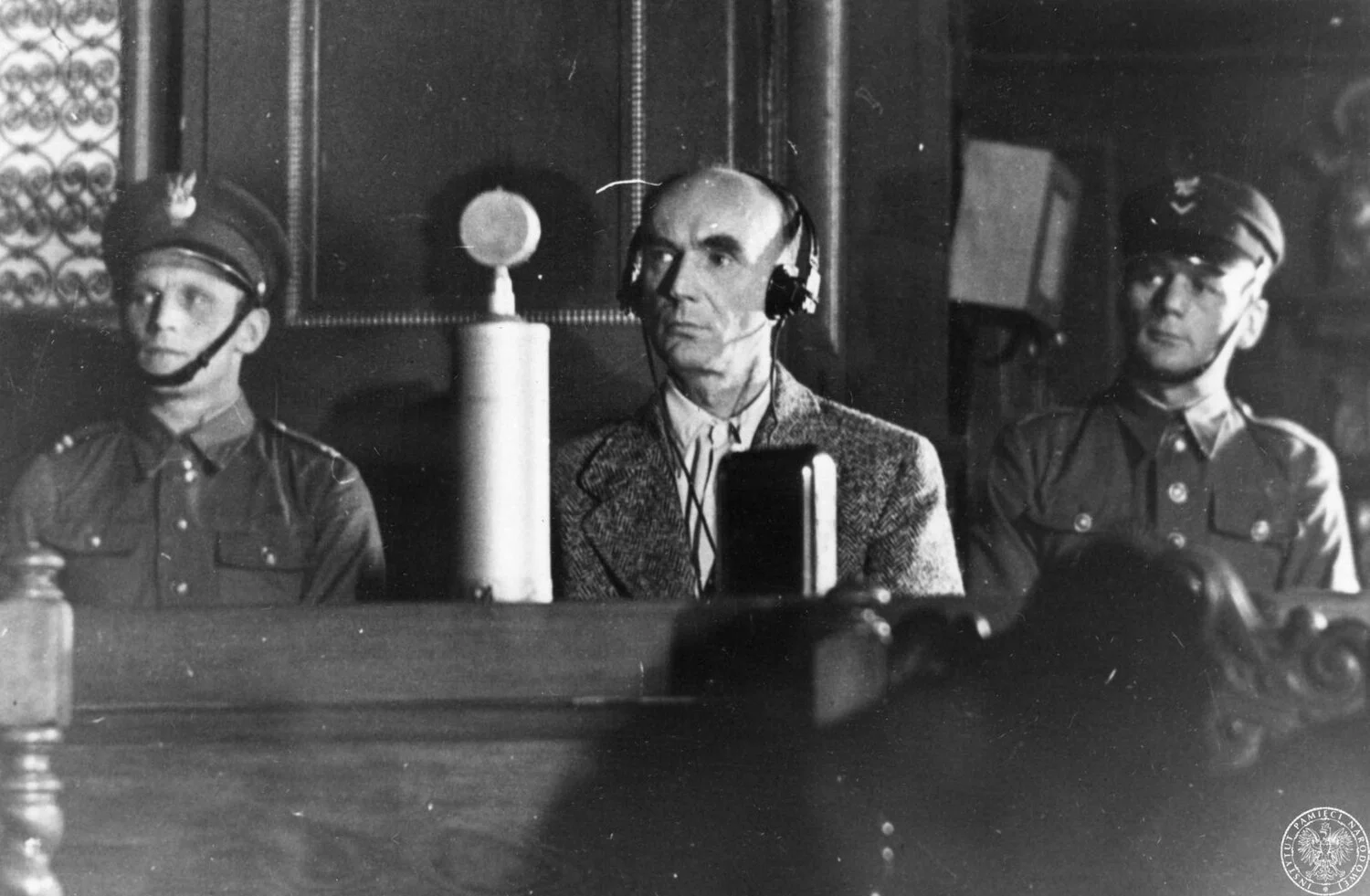
Arthur Greiser (1897–1946) was one of the most ruthless implementers of Nazi genocide. As Reichsstatthalter and Gauleiter of the annexed Polish territory renamed Wartheland, he turned the Poznań region into a laboratory for extreme Germanisation and extermination policies.
Between 1939 and 1945 he was directly responsible for:
The expulsion of over 630,000 Poles and Jews.
The establishment of Chełmno – the world’s first extermination camp using gas vans.
The creation and subsequent liquidation of the Łódź ghetto.
The mass execution of thousands of Polish intellectuals, priests and resistance members.
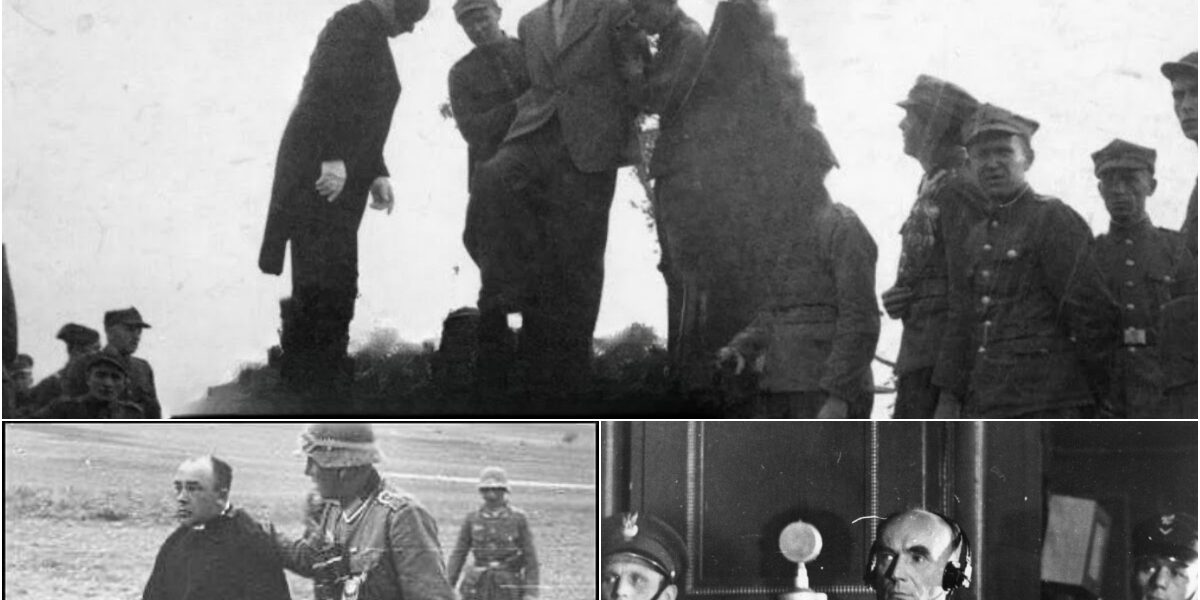
Captured by the British in Austria in May 1945, Greiser was handed over to Poland. From 21 June to 9 July 1946 the Supreme National Tribunal in Poznań held a public trial. Over one hundred witnesses took the stand. On 9 July he was sentenced to death.
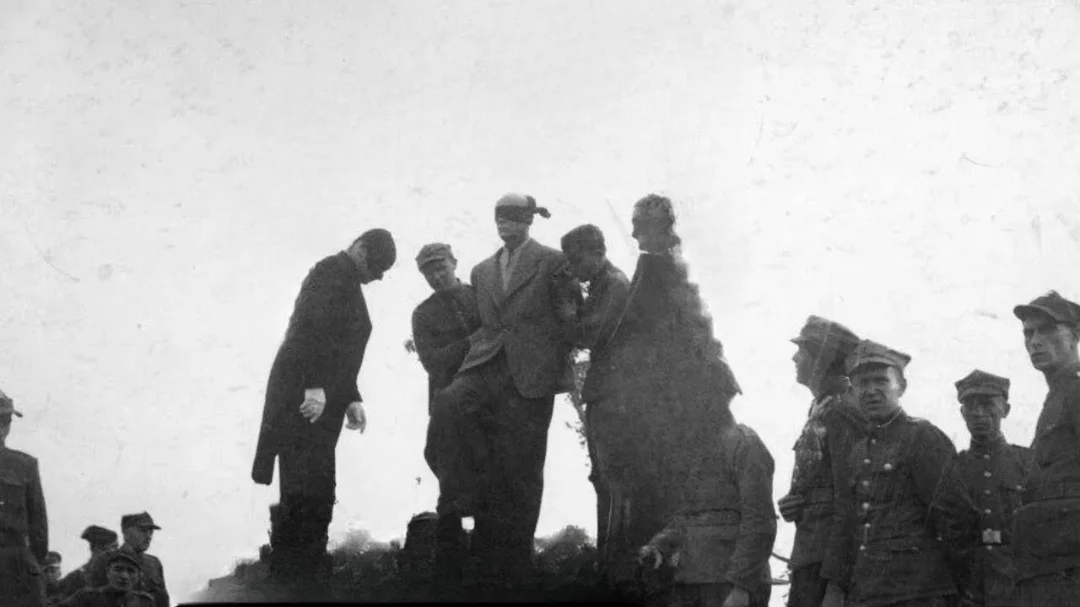
At 7:05 a.m. on 21 July 1946 – deliberately at dawn – a huge scaffold was erected on the old Citadel hill in Poznań. Between 100,000 and 200,000 Poles stayed awake all night to witness the event. It remains the last public execution in modern Polish history.
When the 49-year-old Greiser was led onto the platform, he retained the stiff bearing of a Nazi official. The trapdoor opened. His body hung for hours as a final warning from a time of terror.
We recall that image today not to nurture hatred, but to honour the hundreds of thousands who perished in camps, ghettos and firing squads on his direct orders; to recognise the survivors who found the courage to face him in court; and to reaffirm that justice, however it arrives, remains indispensable after crimes against humanity.
Official sources
Greiser trial records – Archiwum Akt Nowych, Warsaw
Catherine Epstein, “Model Nazi: Arthur Greiser and the Occupation of Western Poland” (Oxford, 2010)
Museum of the Wielkopolska Martyrology – Fort VII Poznań